Tummy Tuck Scars: How They Change Over Time

Tummy tuck scars are a permanent part of abdominoplasty surgery, but they do not stay the same forever. Most scars appear red, firm, and noticeable during the first few months after surgery. Over the next 12 to 24 months, they typically become flatter, softer, and lighter in color. With proper scar care and realistic expectations, most patients find their scars become significantly less noticeable over time.
Table of Contents
- Introduction
- Where Is the Tummy Tuck Scar Located?
- Understanding Scar Healing
- Timeline: How Tummy Tuck Scars Change Over Time
- Dr. Anmol Chugh’s Clinical Perspective
- Factors That Influence Scar Appearance
- Common Mistakes Patients Make
- Safety Checklist for Better Scar Healing
- Recovery Protocol Followed at Our Centre
- Who May Develop More Noticeable Scars?
- Before-and-After Expectations
- Frequently Asked Questions
Introduction
One of the most common concerns patients have before a tummy tuck is not the surgery itself but the scar that comes afterward.
Questions such as:
- Will my tummy tuck scar fade?
- How visible will it be after a year?
- Can I wear a bikini again?
- What can I do to improve scar healing?
are discussed in almost every consultation.
A tummy tuck, also known as abdominoplasty, removes excess skin and tightens abdominal muscles to create a flatter and firmer abdomen. While the procedure can deliver dramatic improvements in body contour, it does leave a scar.
The good news is that tummy tuck scars evolve significantly during the healing process. Understanding this timeline helps patients set realistic expectations and avoid unnecessary anxiety during recovery.
Also Read: Loose Skin After Weight Loss? Why a Tummy Tuck May Be Necessary
Where Is the Tummy Tuck Scar Located?
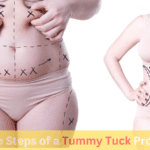
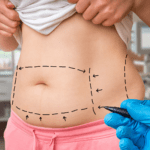
In most cases, the tummy tuck incision is placed low on the abdomen, typically below the underwear or bikini line.
The exact length depends on:
- Amount of excess skin
- Type of tummy tuck performed
- Previous abdominal scars
- Individual anatomy
Most full tummy tucks also involve a small scar around the belly button because the navel is repositioned during surgery.
The goal is always to place scars in areas that can be concealed by most underwear, swimwear, and clothing.
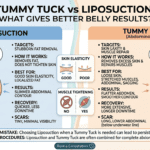
Also Read: Tummy Tuck vs Liposuction: What Gives Better Belly Results?
Understanding Scar Healing
Scar healing is a gradual biological process.
When the skin is surgically closed, the body begins producing collagen fibers to repair the incision. This repair process continues long after the wound appears healed on the surface.
Many patients mistakenly judge their final scar appearance too early.
A scar at 6 weeks is very different from a scar at 12 months.
Understanding how scars mature can prevent unnecessary worry during recovery and help patients stay committed to proper postoperative care.
Timeline: How Tummy Tuck Scars Change Over Time
First 2 Weeks
During the initial healing phase:
- Incisions are fresh
- Mild swelling is common
- Bruising may be present
- The scar often appears thin but prominent
The priority during this stage is wound healing rather than scar appearance.
Patients should focus on:
- Proper incision care
- Wearing compression garments
- Avoiding unnecessary strain
2 to 6 Weeks
As healing progresses:
- Swelling gradually improves
- Incisions become stronger
- Some firmness develops around the scar
- Mild itching may occur
Many patients become concerned when the scar starts becoming more noticeable during this stage.
This is usually normal.
6 Weeks to 3 Months
This is often the period when scars appear their worst.
The scar may become:
- Redder
- Darker
- Slightly raised
- More visible than before
This phase occurs because collagen production is highly active.
Many patients worry something is wrong, but this is often a normal part of scar maturation.
Dr. Anmol Chugh’s Clinical Perspective
One of the most common concerns I hear during follow-up visits is:
“Doctor, my scar looks worse than it did a month ago.”
What I tell my patients is that scar healing is not a straight-line process. Many scars temporarily become redder and firmer before they begin to soften and fade.
Judging a tummy tuck scar too early can create unnecessary stress. The appearance at three months is rarely the final result.
Also Read: Do Tummy Tuck Scars Fade? What Surgeons Don’t Tell You
3 to 6 Months
The remodeling phase becomes more noticeable.
During this stage:
- Redness gradually starts decreasing
- Scar thickness improves
- Texture becomes smoother
- Scar tissue begins softening
Most patients begin noticing visible improvement during this period.
6 to 12 Months
This is when significant scar maturation occurs.
Many scars become:
- Flatter
- Softer
- Less pigmented
- Better blended with surrounding skin
The scar remains visible but is usually far less noticeable than during the first few months.
12 to 24 Months
Most tummy tuck scars reach their mature appearance during this period.
Patients often notice:
- Further fading
- Improved softness
- Better skin texture
- Reduced visibility
Although scars never completely disappear, they often become much less noticeable than patients initially expect.
Factors That Influence Scar Appearance
Not all scars heal the same way.
Several factors affect the final outcome.
Genetics
Genetics plays a major role in scar formation.
Some individuals naturally develop:
- Fine scars
- Thin scars
- Minimal discoloration
Others may be more prone to thicker scars.
Skin Type
Patients with darker skin tones may have a higher tendency toward:
- Hyperpigmentation
- Darker scars
- Prolonged scar discoloration
Smoking
Smoking reduces blood flow and can negatively affect wound healing.
Patients who smoke generally face a higher risk of:
- Delayed healing
- Wider scars
- Wound complications
Sun Exposure
UV exposure can darken healing scars and make them more visible.
Protecting scars from sunlight is extremely important during the first year.
Surgical Technique
Proper incision placement and tension management significantly influence scar quality.
The experience and technique of the surgeon can play an important role in how well a scar matures over time.
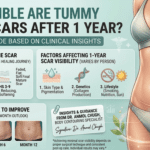
Also Read: How Visible Are Tummy Tuck Scars After 1 Year?
Common Mistakes Patients Make
Expecting the Scar to Disappear Completely
Every surgical incision leaves a permanent scar.
The goal is improvement and concealment, not complete elimination.
Stopping Scar Care Too Early
Scar maturation continues for many months.
Consistent scar management often produces better long-term results.
Excessive Sun Exposure
Even a well-healed scar can become darker when exposed to UV radiation.
Comparing Their Scar to Someone Else’s
Each patient’s healing process is unique.
Comparisons can create unrealistic expectations.
Safety Checklist for Better Scar Healing
Patients can support healthy scar maturation by following these guidelines:
✔ Follow all postoperative instructions
✔ Wear compression garments as advised
✔ Avoid smoking and nicotine products
✔ Maintain good nutrition and hydration
✔ Protect scars from sunlight
✔ Attend scheduled follow-up appointments
✔ Discuss scar treatments with your surgeon
Recovery Protocol Followed at Our Centre
Following tummy tuck surgery, our recovery protocol generally focuses on:
- Early mobilization to improve circulation
- Compression garment use
- Regular incision monitoring
- Gradual return to physical activities
- Long-term scar care guidance
Patients receive individualized recommendations based on their healing progress and surgical findings.
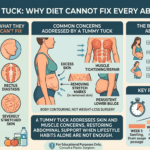
Also Read: Tummy Tuck Safety: What Every Patient Should Know Before Surgery
Who May Develop More Noticeable Scars?
Certain patients may have a greater tendency toward visible scars.
These include individuals with:
- Personal history of hypertrophic scars
- Previous keloid formation
- Smoking habits
- Poor wound healing history
- Significant skin tension during healing
Discussing these factors before surgery helps establish realistic expectations.
Before-and-After Expectations
Many patients spend months worrying about the scar before surgery.
Interestingly, once healing progresses, most patients become far more focused on the improvement in their abdominal contour than on the scar itself.
The trade-off often involves:
- Flatter abdomen
- Reduced skin excess
- Improved waistline definition
- Better clothing fit
For many patients, these benefits outweigh concerns about a well-placed scar.
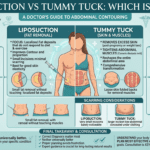
You may also like: Liposuction vs Tummy Tuck: Which Is Better?
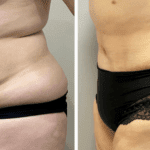
Real Patient Result After Tummy Tuck

Explore more our real Tummy Tuck patient results in our Before & After Gallery.
Frequently Asked Questions
How long does a tummy tuck scar take to fade?
Most tummy tuck scars continue improving for 12 to 24 months after surgery.
Will my tummy tuck scar disappear completely?
No. Surgical scars are permanent, but they typically become significantly less noticeable with time.
Why does my scar look darker after a few months?
This is often part of the normal scar maturation process and usually improves as healing progresses.
Can scar creams remove tummy tuck scars?
Scar products may help improve scar appearance, but they cannot completely eliminate a scar.
Is a tummy tuck scar visible in swimwear?
Modern tummy tuck incisions are usually placed low enough to remain hidden beneath most underwear and bikini bottoms.
What should I avoid during scar healing?
Smoking, excessive sun exposure, and ignoring postoperative instructions can negatively affect scar quality.
Written By
Dr. Anmol Chugh
Plastic, Aesthetic & Reconstructive Surgeon
References
- American Society of Plastic Surgeons (ASPS). Abdominoplasty (Tummy Tuck) Patient Guide.
- International Society of Aesthetic Plastic Surgery (ISAPS).
- National Center for Biotechnology Information (NCBI). Wound Healing and Scar Formation.
- Plastic and Reconstructive Surgery Journal. Scar Maturation Following Body Contouring Procedures.
- Wound Healing Society Clinical Practice Guidelines.
- Aesthetic Surgery Journal. Current Concepts in Scar Management.
Conclusion
Tummy tuck scars undergo significant changes during the healing process. While they may initially appear red, firm, and noticeable, most gradually become flatter, softer, and lighter over the following months and years. Understanding the normal stages of scar maturation helps patients remain patient and confident throughout recovery.
With proper surgical planning, good scar care, and realistic expectations, most tummy tuck patients find that the long-term improvement in abdominal contour far outweighs concerns about the scar itself.
Medically Reviewed By
Dr. Anmol ChughQualifications: MBBS, MS, MCh (Plastic Surgery)
Experience: 16+ Years in Plastic & Aesthetic Surgery
Review Date: 06 Jun 2026
This article has been medically reviewed for accuracy and patient safety.