How Long Should You Wait After Pregnancy for a Tummy Tuck?
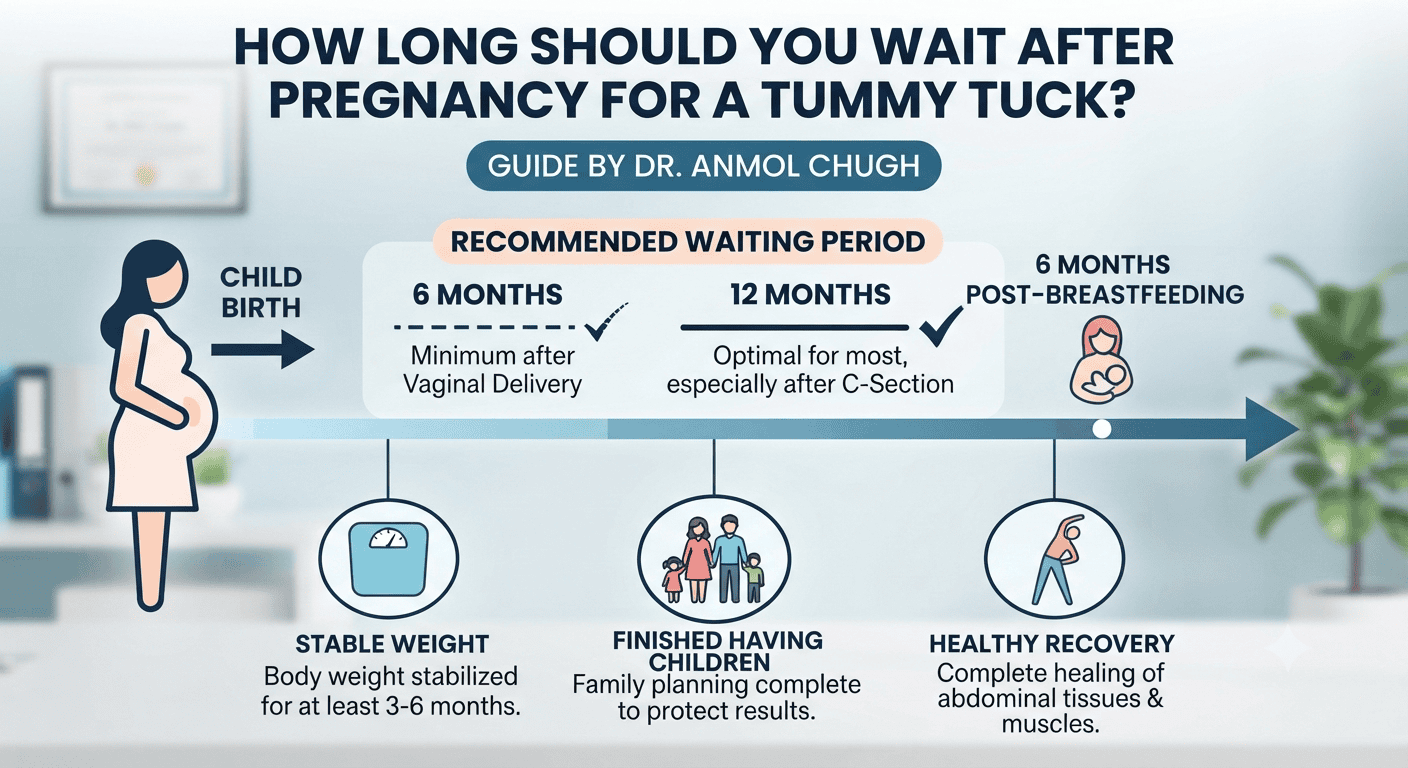
Pregnancy changes the body in remarkable ways, but some changes do not fully reverse after childbirth. Many women notice loose abdominal skin, stretched muscles, stubborn fat deposits, or a persistent tummy bulge even after returning to their pre-pregnancy weight. These concerns often lead to one important question:
“How long should I wait after pregnancy before having a tummy tuck?”
The answer is different for every woman. Factors such as recovery from childbirth, breastfeeding, weight stability, future pregnancy plans, and overall health all influence the right timing for surgery.
Rushing into surgery too early can affect both your recovery and your long-term results. Waiting until your body has healed properly allows for safer surgery and more predictable outcomes.
In this guide, Dr. Anmol Chugh explains the ideal timing for a tummy tuck after pregnancy, what factors influence this decision, and how to know when your body is ready.
Table of Contents
- Quick Answer
- Why Pregnancy Changes the Abdomen
- Why You Should Not Rush Into Surgery
- How Long Should You Wait?
- Why Stable Weight Matters
- Should You Wait Until You Finish Having Children?
- When Might You Be Ready for Surgery?
- Can Exercise Replace a Tummy Tuck?
- Dr. Anmol Chugh’s Clinical Perspective
- Common Mistakes Patients Make
- Recovery Protocol Followed at Our Centre
- Safety Checklist
- Who Should Delay Surgery?
- What I Tell My Patients During Consultation
- Frequently Asked Questions
- Final Thoughts
Quick Answer
Most plastic surgeons recommend waiting at least 6–12 months after delivery before considering a tummy tuck.
If you are breastfeeding, it is generally advisable to wait until at least six months after breastfeeding has stopped, allowing hormone levels, breast and abdominal tissues, and body weight to stabilize.
The ideal timing depends on:
- Complete recovery after childbirth
- Stable body weight
- Finished breastfeeding
- No plans for another pregnancy in the near future
- Good overall health
A personalized consultation helps determine the safest time for surgery.
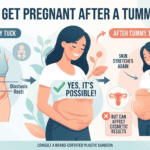
Also Read: Can You Get Pregnant After a Tummy Tuck?
Why Pregnancy Changes the Abdomen
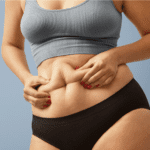
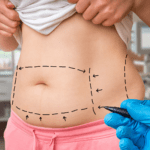
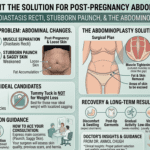
During pregnancy, the growing uterus stretches the skin, abdominal muscles, and connective tissues.
Common postpartum changes include:
- Loose abdominal skin
- Stretch marks
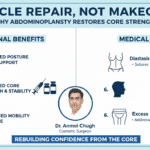
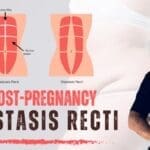
- Rectus diastasis (separation of the abdominal muscles)
- Localized fat deposits
- Weak abdominal wall
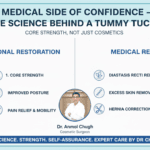
While diet and exercise help many women regain strength and lose pregnancy weight, they cannot remove excess skin or fully repair significant muscle separation.
Why You Should Not Rush Into Surgery
Immediately after childbirth, the body is still recovering.
Several natural changes continue over the following months:
- The uterus gradually returns to its normal size.
- Hormone levels continue to change.
- Swelling reduces.
- Skin continues to contract.
- Abdominal tissues heal.
- Body weight fluctuates.
Operating before these changes stabilize may increase the likelihood that the final result will not be optimal.
How Long Should You Wait?
After a Normal Vaginal Delivery
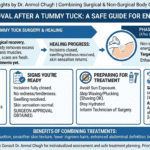
For most women, surgery is considered only after:
- Complete postpartum recovery
- Stable body weight
- Completion of breastfeeding (if applicable)
This usually means waiting at least six months, although many surgeons recommend closer to 12 months for the best long-term results.
After a Caesarean Section (C-Section)
A Caesarean section is major abdominal surgery.
The abdominal wall requires additional healing before another operation.
Most surgeons recommend waiting at least 6–12 months, depending on:
- Scar healing
- Recovery progress
- Overall health
- Future pregnancy plans
A tummy tuck is not performed immediately after a C-section simply because the abdomen is already open.
After Breastfeeding
Breastfeeding affects hormone levels and body composition.
Many women continue losing weight after breastfeeding ends.
Waiting approximately six months after breastfeeding has stopped allows:
- Hormones to stabilize
- Weight to stabilize
- Skin to recover
- Better assessment of the final abdominal contour
Why Stable Weight Matters
One of the biggest predictors of long-lasting tummy tuck results is maintaining a stable weight.
If significant weight loss continues after surgery:
- Skin may loosen again.
- Body proportions may change.
- Additional contour changes may occur.
Similarly, major weight gain after surgery can affect the repaired abdominal tissues.
For this reason, surgeons generally recommend reaching a comfortable, stable weight before surgery.
Should You Wait Until You Finish Having Children?
In most cases, yes.
Although pregnancy after a tummy tuck is possible, another pregnancy can:
- Stretch the repaired abdominal wall
- Separate the muscles again
- Create new loose skin
- Reduce the longevity of your surgical result
For women planning another pregnancy within the next few years, postponing surgery is usually recommended.
When Might You Be Ready for Surgery?
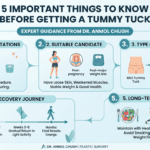
You may be a suitable candidate if you:
- Delivered your baby at least 6–12 months ago
- Have completed breastfeeding
- Have maintained a stable weight
- Have loose skin that does not improve with exercise
- Have persistent abdominal muscle separation
- Are in good general health
- Have realistic expectations
- Are not planning another pregnancy soon
A consultation with an experienced plastic surgeon helps confirm whether the timing is appropriate.
Can Exercise Replace a Tummy Tuck?
Exercise is an important part of postpartum recovery.
It can:
- Strengthen core muscles
- Improve posture
- Reduce body fat
- Improve overall fitness
However, exercise cannot:
- Remove loose abdominal skin
- Repair significant rectus diastasis in every patient
- Eliminate stretch marks
- Restore severely stretched tissues
When these concerns remain despite lifestyle changes, surgery may be considered.
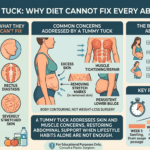
Also Read: Tummy Tuck: Why Diet Cannot Fix Every Abdomen
Dr. Anmol Chugh’s Clinical Perspective
One of the most common questions I hear from mothers is whether they should have surgery as soon as they finish having a baby.
My advice is almost always to give your body time to recover naturally first.
Pregnancy places tremendous demands on the abdominal wall. Allowing enough time for weight stabilization, tissue healing, and hormonal recovery helps us evaluate what changes remain permanent and what may continue to improve naturally.
The best tummy tuck is one performed at the right time, not the earliest possible time.
Common Mistakes Patients Make
Having Surgery Too Soon
Many postpartum changes continue improving for several months.
Waiting often produces better long-term results.
Expecting a Tummy Tuck to Help With Weight Loss
A tummy tuck reshapes the abdomen.
It is not an obesity treatment.
Ignoring Future Pregnancy Plans
Another pregnancy can alter tummy tuck results significantly.
Returning to Exercise Too Quickly
Healing abdominal tissues need time before strenuous activity resumes.
Comparing Recovery With Others
Every pregnancy, body, and recovery timeline is different.
Recovery Protocol Followed at Our Centre
Recovery plans are personalized for every patient.
Our general postoperative protocol includes:
- Early walking after surgery
- Compression garment use
- Pain management
- Scar care guidance
- Gradual return to activities
- Core rehabilitation when appropriate
- Regular follow-up appointments
Most patients gradually return to routine activities over several weeks, while complete healing continues for several months.
Safety Checklist
Before scheduling surgery:
✔ At least 6–12 months after delivery
✔ Breastfeeding completed
✔ Stable body weight
✔ No active medical conditions affecting healing
✔ Future pregnancy plans discussed
✔ Smoking stopped if advised
✔ Realistic expectations established
Who Should Delay Surgery?
A tummy tuck may be postponed if you:
- Are currently pregnant
- Are breastfeeding
- Plan another pregnancy soon
- Continue losing pregnancy weight
- Have uncontrolled diabetes or other medical conditions
- Smoke and cannot stop around surgery
What I Tell My Patients During Consultation
Every mother’s recovery is different.
Rather than focusing on a fixed number of months, I encourage patients to focus on recovery milestones, stable weight, completed breastfeeding, healed abdominal tissues, and realistic expectations.
When surgery is performed at the right time, the results are generally more predictable and longer lasting.
Frequently Asked Questions
Can I have a tummy tuck six months after pregnancy?
Some women may be suitable candidates after six months, provided they have recovered well, completed breastfeeding, and achieved a stable weight.
Can a tummy tuck be performed during a C-section?
This is generally not recommended, as the body is still recovering from pregnancy and the risk of complications may be higher.
Should I lose all my pregnancy weight before surgery?
Ideally, you should be close to your target weight and maintain it consistently before undergoing surgery.
Will another pregnancy ruin my tummy tuck?
Another pregnancy can stretch the abdominal tissues again and affect the surgical result.
Can a tummy tuck repair muscle separation?
When rectus diastasis is present, abdominal wall repair may be performed during a tummy tuck in appropriate patients.
Final Thoughts
The best time for a tummy tuck after pregnancy is when your body has fully recovered, your weight has stabilized, and you are confident that your family is complete. Waiting patiently allows your tissues to heal naturally and helps your surgeon create safer, longer-lasting results.
During a personalized consultation, Dr. Anmol Chugh carefully evaluates your abdominal skin, muscle separation, body weight, overall health, and future pregnancy plans before recommending the most appropriate timing for surgery.
Related Procedures
- Tummy Tuck Surgery
- Mommy Makeover Surgery
- Liposuction Treatment
- 360 Liposuction
- Body Contouring Surgery
- Mother Care Studio
References
- American Society of Plastic Surgeons (ASPS). Tummy Tuck (Abdominoplasty).
https://www.plasticsurgery.org/cosmetic-procedures/tummy-tuck - American College of Obstetricians and Gynecologists (ACOG). Optimizing Postpartum Care.
https://www.acog.org/clinical/clinical-guidance/committee-opinion/articles/2018/05/optimizing-postpartum-care - International Society of Aesthetic Plastic Surgery (ISAPS). Patient Safety Resources.
https://www.isaps.org/patient-safety/ - Nahas FX. Abdominoplasty: Current Concepts and Surgical Techniques. Plastic and Reconstructive Surgery.
- Olsson A, et al. Evaluation of Functional Outcomes Following Rectus Diastasis Repair. Hernia. 2021.
- The Aesthetic Society. Abdominoplasty Patient Guide.
https://www.theaestheticsociety.org/procedures/body/abdominoplasty - American Society of Plastic Surgeons. Tummy Tuck Recovery Guidelines.
https://www.plasticsurgery.org/reconstructive-procedures/tummy-tuck/recovery
Medically Reviewed By
Dr. Anmol ChughQualifications: MBBS, MS, MCh (Plastic Surgery)
Experience: 16+ Years in Plastic & Aesthetic Surgery
Review Date: 20 Jul 2026
This article has been medically reviewed for accuracy and patient safety.