Lipedema: The Disease Women Are Told Is Just Fat
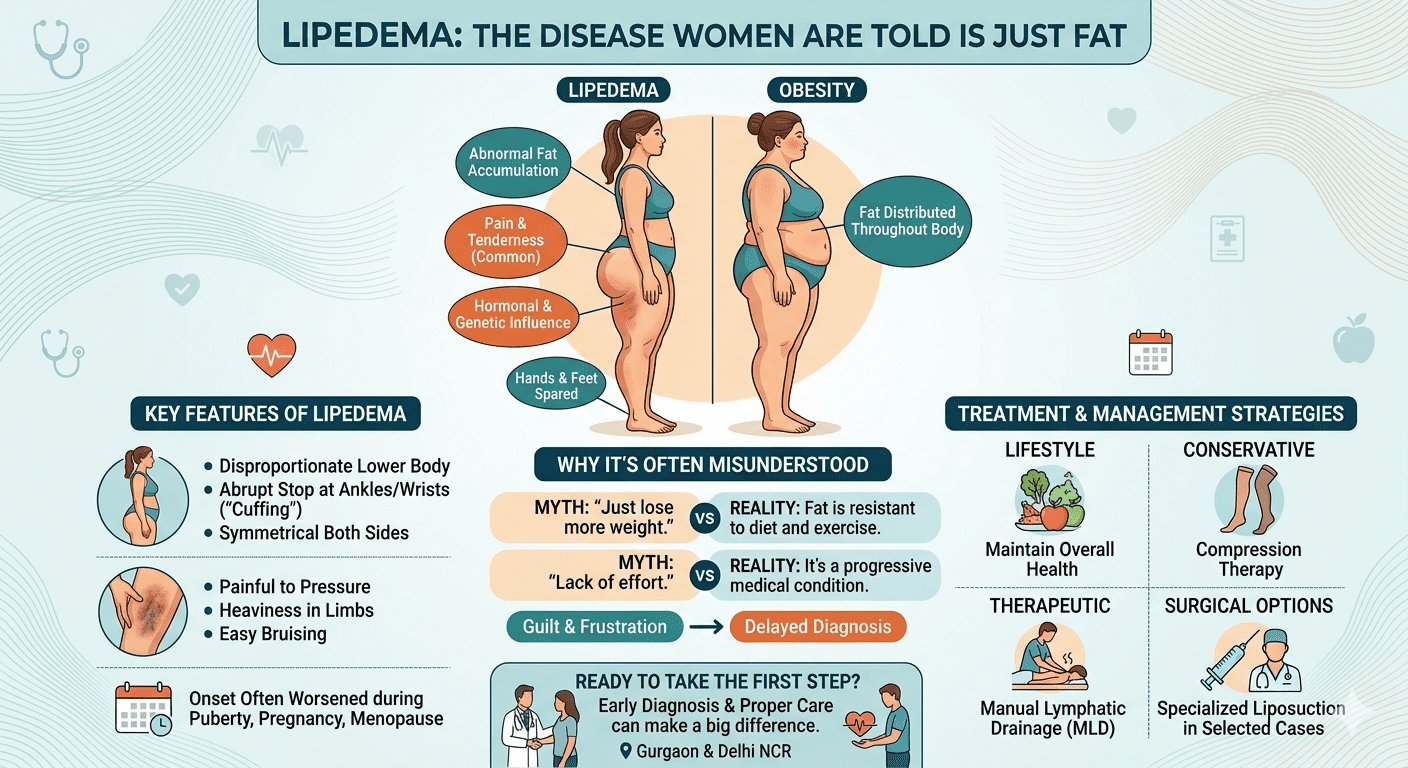
Many women spend years trying to lose weight, only to feel frustrated when certain parts of their body never seem to change.
They diet carefully. They exercise regularly. Some even lose a significant amount of weight. Yet their legs, hips, or arms remain disproportionately larger than the rest of their body.
A common story I hear is:
“Doctor, everyone keeps telling me to lose weight, but I’ve already lost weight, and my legs still look the same.”
For many women, the problem is not a lack of effort.
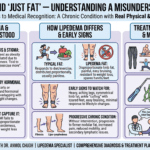
In some cases, the underlying issue may be lipedema, a chronic medical condition that is frequently mistaken for simple obesity or excess body fat.
Because awareness of lipedema remains limited, many women go undiagnosed for years and are repeatedly told that they simply need to diet harder or exercise more.
Understanding the condition is the first step toward proper diagnosis and treatment.
Table of Contents
- What Is Lipedema?
- Why Lipedema Is Often Mistaken for Obesity
- What Causes Lipedema?
- What Are the Symptoms of Lipedema?
- Who Is a Good Candidate for Evaluation?
- Who Should Not Assume They Have Lipedema?
- What I Commonly See in My Practice
- How Is Lipedema Diagnosed?
- What Treatments Are Available for Lipedema?
- Risks and Possible Complications
- Recovery After Lipedema Liposuction
- Important Facts Patients Should Know
- Lipedema Treatment in Gurgaon and Delhi NCR
- Frequently Asked Questions
- Conclusion
What Is Lipedema?
Lipedema is a chronic disorder involving the abnormal accumulation of fat tissue, most commonly affecting the legs and sometimes the arms.
Unlike ordinary weight gain, lipedema fat tends to be resistant to diet and exercise.
The condition almost exclusively affects women and often develops or worsens during periods of hormonal change, such as:
- Puberty
- Pregnancy
- Menopause
Commonly affected areas include:
- Hips
- Buttocks
- Thighs
- Legs
- Arms
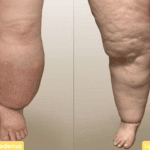
The feet and hands are usually spared, which creates a distinct appearance where the enlargement stops abruptly at the ankles or wrists.
This pattern often helps distinguish lipedema from other conditions.
Why Lipedema Is Often Mistaken for Obesity
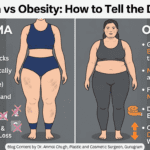
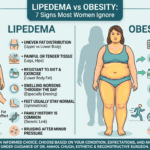
One of the biggest challenges with lipedema is that it is frequently confused with obesity.
Both conditions involve increased body size, but they are not the same.
In obesity:
- Fat is usually distributed throughout the body.
- Weight loss often reduces fat from multiple areas.
In lipedema:
- Fat distribution is typically disproportionate.
- The lower body is commonly affected more than the upper body.
- Pain and tenderness are common.
- Weight loss may have little effect on affected areas.
Many women with lipedema are repeatedly advised to diet and exercise despite already doing exactly that.
This misunderstanding often leads to years of frustration and delayed treatment.
Read More About: Lipedema vs Obesity: How to Tell the Difference
What Causes Lipedema?
The exact cause of lipedema is not fully understood.
However, several factors appear to play a role.
Hormonal Influences
The condition commonly develops during times of hormonal change.
This suggests that hormones may contribute to disease progression.
Genetic Factors
Many women with lipedema report a family history of similar body changes.
Research suggests that hereditary factors may contribute to the condition.
Inflammatory Changes
Some studies indicate that abnormal inflammatory processes may influence fat tissue behavior in lipedema.
Ongoing research continues to improve our understanding of the disease.
What Are the Symptoms of Lipedema?
Symptoms vary between individuals but commonly include:
Disproportionately Large Legs or Arms
The lower body may appear significantly larger than the upper body.
Pain and Tenderness
Unlike ordinary fat, lipedema tissue is often painful when pressure is applied.
Easy Bruising
Many patients report bruising more easily than expected.
Heaviness
Affected limbs often feel heavy, especially later in the day.
Difficulty Finding Clothes That Fit
Patients frequently struggle to find clothing that accommodates their body proportions.
Emotional Frustration
Years of unsuccessful weight-loss efforts can have a significant emotional impact.
Who Is a Good Candidate for Evaluation?
You should consider a medical assessment if:
- Your legs remain disproportionately large despite weight loss.
- You experience leg pain or tenderness.
- You bruise easily.
- Your body shape appears significantly different from other family members.
- You have persistent lower-body enlargement that does not respond to conventional weight-loss methods.
Early diagnosis can help guide treatment decisions and improve symptom management.
Who Should Not Assume They Have Lipedema?
Not every case of enlarged legs is caused by lipedema.
Other conditions that may require evaluation include:
- Obesity
- Lymphedema
- Venous disorders
- Fluid retention
- Hormonal conditions
A proper medical examination is important because treatment approaches differ depending on the underlying diagnosis.
What I Commonly See in My Practice
In my practice, many women with suspected lipedema arrive feeling discouraged.
Some have spent years trying different diets, exercise programs, and weight-loss strategies without understanding why certain body areas never seem to change.
A common concern is guilt. Patients often believe they have somehow failed because their legs remain enlarged despite significant effort.
What is important to understand is that lipedema is a medical condition, not simply a result of overeating or lack of exercise.
Many patients feel relieved when they finally receive an explanation that matches their experience.
The first step is recognizing that persistent disproportionate fat distribution may have an underlying medical cause.
How Is Lipedema Diagnosed?
There is currently no single blood test that confirms lipedema.
Diagnosis is usually based on:
- Medical history
- Physical examination
- Symptom pattern
- Fat distribution characteristics
In some cases, imaging studies may help exclude other conditions.
Accurate diagnosis is important because treatment planning depends on understanding the underlying cause.
What Treatments Are Available for Lipedema?
Treatment depends on disease severity and symptoms.
Lifestyle Measures
Although diet and exercise do not cure lipedema, they remain important for overall health.
Maintaining a healthy weight can reduce additional stress on the body.
Compression Therapy
Compression garments may help improve comfort and swelling-related symptoms.
Manual Lymphatic Therapy
Some patients benefit from specialized lymphatic treatments.
Exercise
Low-impact activities such as walking, swimming, and cycling may improve mobility and overall health.
Liposuction for Lipedema
In selected patients, specialized liposuction techniques may help reduce abnormal fat deposits and improve symptoms.
Unlike cosmetic liposuction, treatment planning focuses on the disease process and long-term management.
Not every patient requires surgery, and treatment should always be individualized.
Also Read: Lipedema Surgery: Is Liposuction the Right Treatment Option?
Risks and Possible Complications
Like any medical condition or treatment, lipedema management may involve challenges.
Potential concerns include:
- Disease progression over time
- Mobility limitations
- Chronic discomfort
- Emotional distress
- Need for ongoing treatment
For patients undergoing liposuction, risks may include:
- Bleeding
- Infection
- Swelling
- Contour irregularities
- Fluid collections
- Need for additional procedures
A detailed discussion of benefits and risks is important before any intervention.
Recovery After Lipedema Liposuction
First Week
- Swelling and bruising are expected.
- Compression garments are usually required.
Two to Four Weeks
- Most patients gradually return to routine activities.
One to Three Months
- Swelling continues improving.
- Body contour changes become more visible.
Several Months
- Final results continue to evolve.
Patients often require ongoing lifestyle management even after surgical treatment.
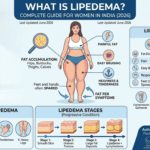
Also Read: What Is Lipedema? Complete Guide for Women in India (2026)
Important Facts Patients Should Know
- Lipedema is a recognized medical condition.
- It primarily affects women.
- The condition is frequently mistaken for obesity.
- Pain and tenderness are common symptoms.
- Diet and exercise alone may not eliminate affected fat deposits.
- Early diagnosis can improve long-term management.
- Treatment often involves a combination of conservative and surgical approaches.
Lipedema Treatment in Gurgaon and Delhi NCR
Awareness of lipedema is gradually increasing in Gurgaon, Delhi NCR, and across India.
Many women who have struggled with disproportionate fat distribution for years are beginning to seek evaluation after learning that their symptoms may not simply be related to weight gain.
A thorough assessment helps determine whether symptoms are caused by lipedema, obesity, lymphedema, or another condition, allowing treatment to be tailored appropriately.
Frequently Asked Questions
Is lipedema the same as obesity?
No. Lipedema is a distinct medical condition with characteristic fat distribution and symptoms.
Can dieting cure lipedema?
Dieting may improve overall health and weight, but lipedema fat is often resistant to weight-loss efforts.
Does lipedema affect men?
It is overwhelmingly more common in women.
Is lipedema painful?
Yes. Pain and tenderness are common features of the condition.
Why do my feet look normal, but my legs are enlarged?
This pattern is one of the characteristic signs that may suggest lipedema.
Can exercise help?
Exercise is beneficial for health and mobility, but it may not completely eliminate lipedema fat.
Is surgery always necessary?
No. Many patients are managed with conservative treatment measures.
What type of liposuction is used?
Specialized approaches are often used depending on the patient’s condition and treatment goals.
Can lipedema get worse over time?
Yes. The condition may progress if left untreated.
When should I seek medical advice?
If you have persistent disproportionate fat distribution, pain, tenderness, or easy bruising, an evaluation may be worthwhile.
Conclusion
Many women with lipedema spend years believing they simply need to lose more weight, despite already making significant efforts to improve their health.
The reality is that lipedema is a chronic medical condition that differs from ordinary obesity and often requires a different approach to diagnosis and treatment.
Recognizing the signs early can help patients better understand their symptoms and explore appropriate management options.
If you are unsure whether your concern is related to lipedema, obesity, lymphedema, or another condition, a consultation can help clarify the diagnosis and guide the most appropriate treatment plan.
References
- Wold LE, Hines EA Jr, Allen EV. Lipedema of the Legs: A Syndrome Characterized by Fat Legs and Orthostatic Edema.
- Herbst KL. Rare Adipose Disorders (RADs): Lipedema, Dercum Disease, and Multiple Symmetric Lipomatosis.
- Kruppa P, Georgiou I, Biermann N, et al. Lipedema—Pathogenesis, Diagnosis, and Treatment Options.
- American Society of Plastic Surgeons (ASPS). Understanding Lipedema and Its Treatment.
- International Consensus Document on Lipedema Diagnosis and Management.
Medically Reviewed By
Dr. Anmol ChughQualifications: MBBS, MS, MCh (Plastic Surgery)
Experience: 16+ Years in Plastic & Aesthetic Surgery
Review Date: 18 Jun 2026
This article has been medically reviewed for accuracy and patient safety.