What Is Lipedema? Complete Guide for Women in India (2026)
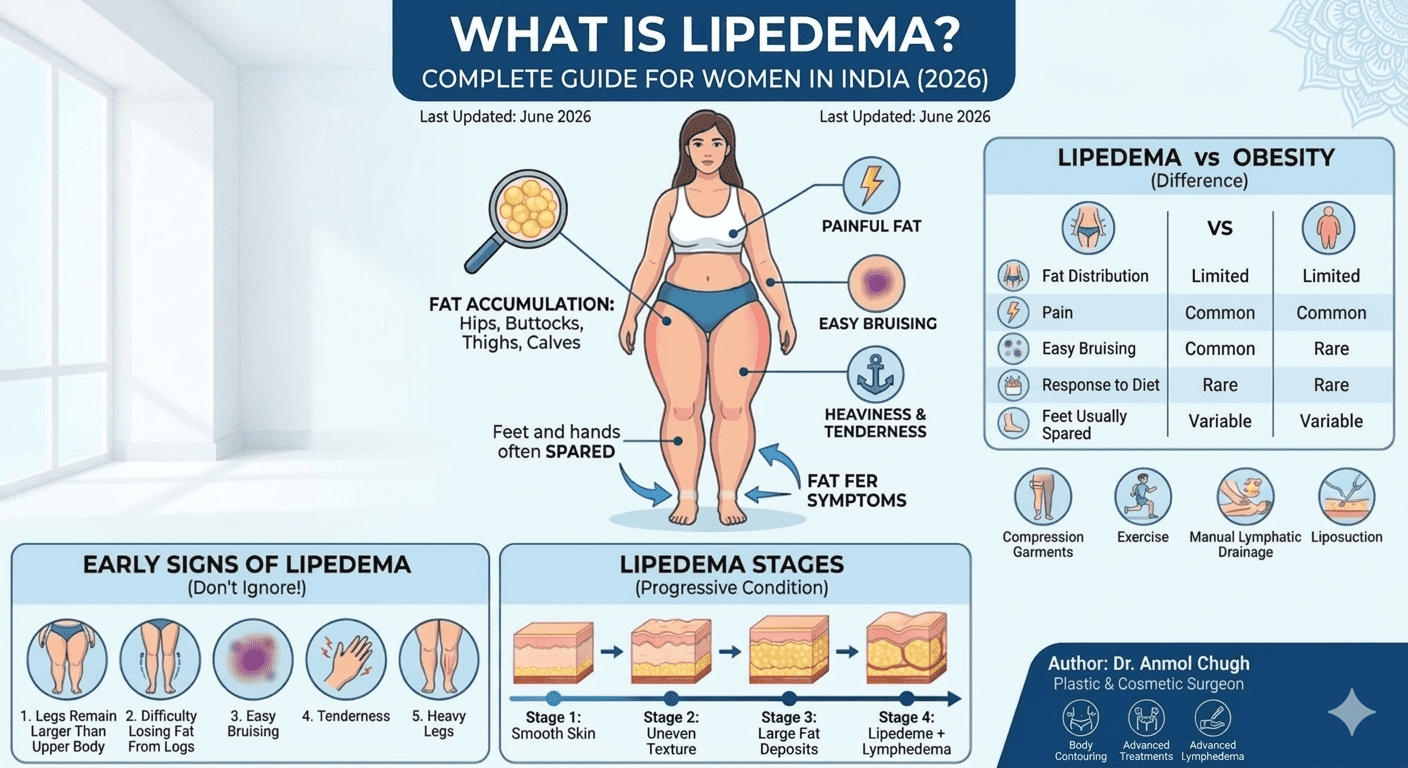
Lipedema is a chronic medical condition that causes abnormal fat accumulation, primarily in the legs, hips, buttocks, and sometimes the arms. Unlike ordinary body fat, lipedema fat is often painful, bruises easily, and does not respond normally to diet and exercise. The condition primarily affects women and is frequently mistaken for obesity, resulting in delayed diagnosis and treatment.
If you have disproportionately large legs despite losing weight, experience heaviness or tenderness in your legs, or notice frequent bruising, lipedema may be the underlying cause.
Table of Contents
- What Is Lipedema?
- Why Is Lipedema Often Misunderstood?
- How Common Is Lipedema?
- What Causes Lipedema?
- Early Signs of Lipedema
- Common Symptoms of Lipedema
- Lipedema vs Obesity
- Lipedema vs Lymphedema
- The Stages of Lipedema
- How Lipedema Affects Daily Life
- The Emotional Impact of Lipedema
- How Is Lipedema Diagnosed?
- Can Diet and Exercise Cure Lipedema?
- Treatment Options for Lipedema
- Recovery After Lipedema Surgery
- Real Patient Scenario
- When Should You See a Specialist?
- Frequently Asked Questions
What Is Lipedema?
Lipedema is a progressive disorder of fat distribution in which abnormal fat cells accumulate symmetrically in specific areas of the body.
The condition most commonly affects:
- Hips
- Buttocks
- Thighs
- Calves
- Lower legs
- Upper arms
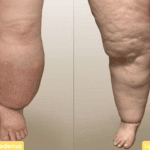
One of the most distinctive characteristics of lipedema is that the feet and hands are often unaffected. This creates a noticeable “cuff” appearance around the ankles or wrists.
Although lipedema can significantly impact physical comfort, mobility, and self-confidence, many women spend years seeking answers before receiving an accurate diagnosis.
Also Read:
👉 Lipedema vs Obesity: 7 Signs Most Women Ignore
Why Is Lipedema Often Misunderstood?
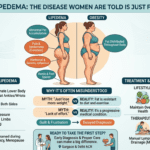
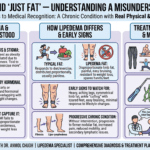
One of the biggest challenges with lipedema is that it is commonly mistaken for obesity.
Women with lipedema are often told to:
- Lose weight
- Exercise more
- Follow stricter diets
While healthy lifestyle habits are important, many women discover that even after substantial weight loss, their legs remain disproportionately large.
This often leads to frustration and self-blame.
In reality, lipedema is a medical condition, not simply a result of overeating or lack of exercise.
How Common Is Lipedema?
Experts believe lipedema affects millions of women worldwide.
However, the condition remains significantly underdiagnosed, particularly in countries where awareness is still developing.
In India, many women may be living with lipedema without realizing it. Symptoms are frequently attributed to:
- Weight gain
- Genetics
- Aging
- Lifestyle factors
As awareness increases among healthcare professionals and patients, more women are beginning to receive appropriate evaluation and treatment.
What Causes Lipedema?
The exact cause of lipedema is still being studied, but researchers believe several factors contribute to its development.
1. Genetics
Family history appears to play a significant role.
Many women diagnosed with lipedema report that their mother, grandmother, aunt, or sister experienced similar symptoms.
This suggests a strong hereditary component.
2. Hormonal Changes
Lipedema frequently develops or worsens during periods of hormonal change.
Common trigger periods include:
- Puberty
- Pregnancy
- Menopause
These observations suggest that female hormones may influence disease progression.
3. Inflammatory Changes
Researchers also believe inflammation within fatty tissue may contribute to symptoms such as:
- Pain
- Tenderness
- Swelling
- Heaviness
4. Vascular and Lymphatic Factors
Changes in small blood vessels and lymphatic function may contribute to fluid retention and tissue changes seen in lipedema.
Early Signs of Lipedema
Early diagnosis is important because symptoms often worsen over time.
Some of the earliest signs include:
Legs Remain Larger Than the Upper Body
Many women notice that their legs seem disproportionately large compared with their waist, chest, or arms.
Difficulty Losing Fat From the Legs
Weight loss may occur in the face, abdomen, or upper body while the legs remain largely unchanged.
Easy Bruising
Minor bumps may result in visible bruises.
Tenderness
Affected areas may feel painful when touched.
Heavy Legs
Patients often describe a sensation of heaviness, especially by the end of the day.
Tight Clothing Around the Legs
Pants may become increasingly difficult to fit despite a stable overall weight.
Common Symptoms of Lipedema
Symptoms vary between individuals, but frequently include:
Painful Fat Deposits
Unlike ordinary fat tissue, lipedema fat can be uncomfortable or painful.
Symmetrical Enlargement
Both legs are usually affected equally.
Easy Bruising
Bruises may appear more frequently than expected.
Swelling
Symptoms often worsen after prolonged standing.
Heaviness
Patients commonly describe their legs as feeling heavy or fatigued.
Reduced Mobility
As the condition progresses, walking and exercise may become more difficult.
Emotional Distress
Years of misunderstanding and failed weight-loss efforts can affect mental well-being.
Lipedema vs Obesity: Understanding the Difference
Many women wonder whether they have obesity, lipedema, or both.
The differences are important.
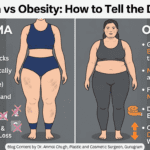
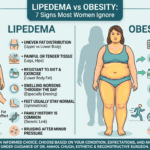
| Feature | Lipedema | Obesity |
| Fat Distribution | Mainly legs and arms | Entire body |
| Pain | Common | Uncommon |
| Easy Bruising | Common | Rare |
| Symmetrical Enlargement | Typical | Variable |
| Response to Diet | Limited | Usually improves |
| Feet Usually Spared | Yes | No |
A woman may have both obesity and lipedema simultaneously.
However, lipedema requires separate recognition and management.
Also Read:
👉 Lipedema vs Obesity: 7 Signs Most Women Ignore
Lipedema vs Lymphedema
These conditions are often confused but are different.
Lipedema
- Fat accumulation disorder
- Usually affects both legs
- Pain is common
- Feet are often spared
Lymphedema
- Fluid accumulation disorder
- May affect one side more than the other
- Feet often become swollen
- Skin thickening may occur
Advanced lipedema may eventually contribute to lymphatic dysfunction.
The Stages of Lipedema
Stage 1
Characteristics:
- Smooth skin surface
- Mild enlargement
- Small underlying fat deposits
Symptoms are often overlooked during this stage.
Stage 2
Characteristics:
- Uneven skin texture
- Nodules beneath the skin
- Increased tenderness
Symptoms become more noticeable.
Stage 3
Characteristics:
- Larger fat deposits
- Tissue folds
- Mobility limitations
Physical discomfort may significantly affect daily activities.
Stage 4
Characteristics:
- Lipedema combined with lymphedema
- Significant swelling
- Functional impairment
Medical management becomes increasingly important.
How Lipedema Affects Daily Life
Lipedema impacts much more than appearance.
Women frequently report challenges with:
Walking
Heaviness and discomfort may limit activity levels.
Exercise
Physical activity may become more difficult despite strong motivation.
Clothing
Finding clothes that fit both the upper and lower body can be frustrating.
Travel
Long periods of sitting or standing may worsen symptoms.
Self-Confidence
Many women feel misunderstood after years of being told their symptoms are simply due to excess weight.
The Emotional Impact of Lipedema
The emotional burden of lipedema is often underestimated.
Many patients report:
- Frustration
- Embarrassment
- Reduced self-esteem
- Social withdrawal
- Anxiety regarding body image
Perhaps most difficult is the feeling that their concerns have not been taken seriously.
Understanding that lipedema is a recognized medical condition can provide validation and relief.
How Is Lipedema Diagnosed?
Currently, there is no single laboratory test that confirms lipedema.
Diagnosis typically involves:
Medical History
A detailed discussion of symptoms and family history.
Physical Examination
Assessment of:
- Fat distribution
- Tenderness
- Bruising tendency
- Swelling patterns
Differential Diagnosis
Other conditions such as obesity, lymphedema, venous disease, and endocrine disorders may need to be considered.
An experienced surgeon or physician familiar with lipedema can often identify characteristic features during evaluation.
Also Read:
👉 Lipedema vs. Lymphedema: Understanding the Key Differences
Can Diet and Exercise Cure Lipedema?
This is one of the most common questions patients ask.
The short answer is no.
While healthy eating and regular exercise are important for overall health, they do not eliminate lipedema.
Many women successfully lose weight yet continue to experience:
- Large legs
- Persistent symptoms
- Fat accumulation in affected areas
However, maintaining a healthy lifestyle can:
- Improve mobility
- Reduce inflammation
- Support recovery
- Enhance overall well-being
Also Read:
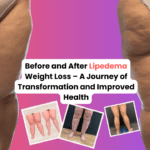
👉 Lipedema Before and After Weight Loss: What to Expect in Your Journey
Treatment Options for Lipedema
Treatment is tailored to each patient’s symptoms, stage, and goals.
Conservative Treatment
Compression Garments
Compression may help reduce discomfort and support circulation.
Exercise
Low-impact activities such as:
- Walking
- Swimming
- Cycling
Can help maintain mobility.
Manual Lymphatic Drainage
Specialized massage techniques may improve comfort in selected patients.
Weight Management
Although weight loss does not cure lipedema, maintaining a healthy weight may help reduce additional strain on the body.
Lipedema Liposuction
For many women with significant symptoms, specialized liposuction may be considered.
Unlike cosmetic liposuction, lipedema surgery aims to address abnormal fat deposits while preserving important structures, including lymphatic pathways.
Potential benefits may include:
- Reduced pain
- Improved mobility
- Better body proportions
- Enhanced quality of life
- Easier participation in physical activity
Treatment planning should always be individualized following a detailed consultation.
Also Read:
👉 Lipedema Surgery in India: Relief for International Patients with a Chronic Fat Disorder
What Is Recovery Like After Lipedema Surgery?
Recovery varies between patients.
Most individuals can expect:
First Few Days
- Swelling
- Bruising
- Temporary discomfort
First Few Weeks
- Gradual improvement in mobility
- Compression garment use
- Follow-up appointments
Several Months
- Progressive reduction in swelling
- Continued contour improvement
- Improvement in symptoms
Patients should follow their surgeon’s post-operative recommendations closely.
Also Read:
👉 Lipedema Surgery: Is Liposuction the Right Treatment Option?
Real Patient Scenario
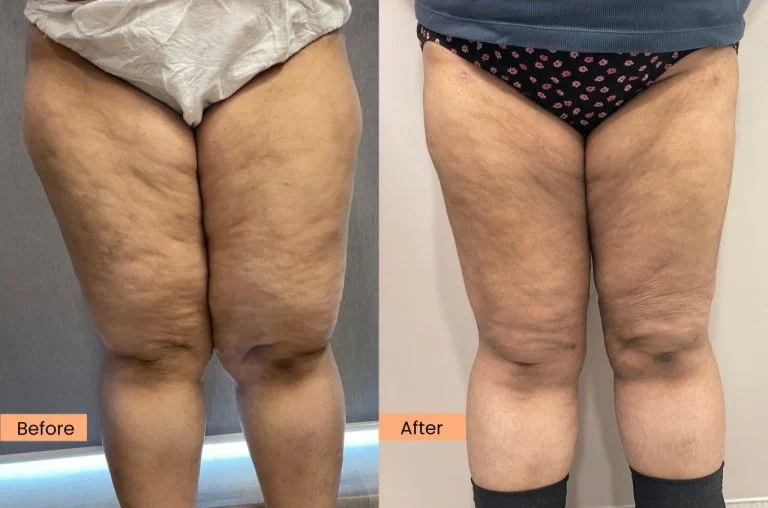
Consider a 38-year-old woman who loses 15 kilograms through diet and exercise.
Her waist becomes smaller.
Her face becomes slimmer.
However, her thighs and calves remain disproportionately large and painful.
She bruises easily and struggles to find clothing that fits comfortably.
After years of frustration, she learns that the issue is not simply weight gain, it is lipedema.
This scenario reflects the experience of many women who eventually receive a correct diagnosis.
When Should You See a Specialist?
You should consider professional evaluation if:
- Your legs remain disproportionately large despite weight loss.
- You experience unexplained leg pain.
- Your legs bruise easily.
- Symptoms interfere with daily life.
- You suspect you may have lipedema.
Early assessment may help improve symptom management and treatment planning.
Also Read:
👉 Body Contouring After Major Weight Loss: What You Need to Know
Frequently Asked Questions
Is lipedema common in India?
Lipedema is believed to be significantly underdiagnosed in India. Increased awareness is helping more women recognize potential symptoms.
Can lipedema affect the arms?
Yes. Many women experience enlargement and discomfort in the upper arms as well.
Is lipedema hereditary?
Family history is common, suggesting a strong genetic component.
Can men develop lipedema?
Although rare, lipedema can occur in men.
Does lipedema worsen with age?
The condition may progress over time, particularly during hormonal changes.
Can pregnancy worsen lipedema?
Some women notice symptom progression during or after pregnancy.
Also Read:
👉 7 Natural Ways to Support Healing After Lipedema Liposuction
Is lipedema painful?
Yes. Pain and tenderness are among the most common symptoms.
Can exercise remove lipedema fat?
Exercise supports overall health but typically does not eliminate lipedema fat.
Is lipedema the same as cellulite?
No. Lipedema is a medical condition, whereas cellulite is a common cosmetic concern.
Can lipedema be cured permanently?
There is currently no definitive cure, but symptoms can often be managed effectively.
Can lipedema return after surgery?
Long-term management remains important because lipedema is a chronic condition.
What doctor treats lipedema?
Evaluation is often performed by specialists experienced in lipedema diagnosis and treatment, including plastic surgeons with expertise in body contouring and lipedema care.
References
- Wold LE, Hines EA Jr, Allen EV. Lipedema of the Legs: A Syndrome Characterized by Fat Legs and Orthostatic Edema. Ann Intern Med. 1951;34(5):1243-1250.
- Herbst KL. Rare Adipose Disorders (RADs) Masquerading as Obesity. Acta Pharmacologica Sinica. 2012;33(2):155-172.
- Fife CE, Maus EA, Carter MJ. Lipedema: A Frequently Misdiagnosed and Underdiagnosed Fat Disorder. Advances in Skin & Wound Care. 2010;23(2):81-92.
- Child AH, Gordon KD, Sharpe P, Brice G, Ostergaard P, Jeffery S, Mortimer PS. Lipedema: An Inherited Condition. American Journal of Medical Genetics. 2010;152A(4):970-976.
- Reich-Schupke S, Schmeller W, Brauer WJ, Cornely ME, Faerber G, Ludwig M, et al. S1 Guidelines: Lipedema. Journal der Deutschen Dermatologischen Gesellschaft. 2017.
- Dadras M, Mallinger PJ, Corterier CC, Theodosiadi S, Ghods M. Liposuction in the Treatment of Lipedema: A Long-Term Follow-Up Study. Archives of Plastic Surgery. 2017;44(4):324-331.
- International Lipoedema Association (ILA). Clinical Guidance on Lipedema Diagnosis and Management.
- International Society of Lymphology. Consensus Document on the Diagnosis and Treatment of Peripheral Lymphedema.
- National Institutes of Health (NIH). Current Clinical Perspectives and Research on Lipedema.
- World Health Organization (WHO). Obesity and Body Fat Distribution: Clinical Considerations.
Key Takeaway
Lipedema is a chronic fat-distribution disorder that primarily affects women and is often mistaken for obesity. Common signs include disproportionately large legs, pain, easy bruising, heaviness, and resistance to traditional weight-loss methods.
Because the condition is frequently underdiagnosed, many women spend years searching for answers. Recognizing the symptoms and seeking evaluation from an experienced specialist can be an important first step toward understanding the condition and exploring appropriate treatment options.
Also Read:
- 👉 Lipedema vs Obesity: How to Tell the Difference
- 👉 Lipedema Surgery: Is Liposuction the Right Treatment Option?
- 👉 Lipedema Before and After Weight Loss: What to Expect in Your Journey
About the Author
Dr. Anmol Chugh is a Plastic and Cosmetic Surgeon in Gurugram with extensive experience in aesthetic and reconstructive procedures. He evaluates and treats patients with body contouring concerns, including lipedema, helping individuals achieve improved function, comfort, and confidence through personalized treatment planning.
Final Thoughts
Lipedema is far more than a cosmetic concern. It is a chronic medical condition that can affect mobility, comfort, emotional well-being, and overall quality of life.
Because lipedema is frequently mistaken for obesity, many women spend years trying diets and exercise programs without understanding why their symptoms persist.
Greater awareness, early diagnosis, and individualized treatment planning can make a meaningful difference. Whether treatment involves conservative management, lifestyle modifications, compression therapy, or specialized lipedema liposuction, the goal is to improve function, comfort, and quality of life.
If you suspect that you may have lipedema, seeking evaluation from a specialist experienced in diagnosis and treatment can be an important first step.
Medically Reviewed By
Dr. Anmol ChughQualifications: MBBS, MS, MCh (Plastic Surgery)
Experience: 16+ Years in Plastic & Aesthetic Surgery
Review Date: 01 Jun 2026
This article has been medically reviewed for accuracy and patient safety.