Can Breast Reconstruction Restore Symmetry?

For many women, breast reconstruction is about much more than restoring the shape of a breast after mastectomy. It is about feeling comfortable in their own body again and regaining confidence after breast cancer treatment.
One of the biggest concerns patients have before reconstruction is:
“Will both breasts look symmetrical again?”
The answer is yes, in many cases breast reconstruction can significantly improve breast symmetry. However, it is important to understand that perfect mirror-image breasts are rarely the goal. Instead, modern breast reconstruction aims to create breasts that look balanced, natural, and proportionate to your body.
In this guide, Dr. Anmol Chugh explains how breast reconstruction restores symmetry, the factors that influence results, and what patients can realistically expect.
Table of Contents
- Quick Answer
- What Does Breast Symmetry Mean?
- Why Does Mastectomy Affect Symmetry?
- How Can Breast Reconstruction Improve Symmetry?
- Is Surgery on the Other Breast Sometimes Needed?
- What Factors Affect Symmetry?
- Can Perfect Symmetry Be Achieved?
- Dr. Anmol Chugh’s Clinical Perspective
- Common Mistakes Patients Make
- Recovery Protocol Followed at Our Centre
- Safety Checklist
- Who May Not Be Ready for Immediate Reconstruction?
- What I Tell My Patients During Consultation
- Frequently Asked Questions
- Final Thoughts
Quick Answer
Yes.
Breast reconstruction can restore breast symmetry in many women after mastectomy.
Depending on your individual situation, symmetry may be achieved by:
- Reconstructing the affected breast
- Adjusting the opposite breast
- Using implants
- Using your own tissue (flap reconstruction)
- Combining different reconstructive techniques
The treatment plan is personalized to achieve the most natural and balanced appearance possible.
What Does Breast Symmetry Mean?
Natural breasts are rarely identical.
Almost every woman has small differences in:
- Size
- Shape
- Nipple position
- Breast projection
The goal of breast reconstruction is not perfection, but balance.
A symmetrical result allows the breasts to appear proportionate while standing, wearing clothing, and during everyday activities.
Why Does Mastectomy Affect Symmetry?
A mastectomy removes breast tissue as part of breast cancer treatment.
Depending on the type of surgery, changes may include:
- Loss of breast volume
- Changes in breast shape
- Nipple removal
- Skin changes
- Chest wall differences
Without reconstruction, the chest may appear noticeably uneven.
Breast reconstruction helps restore balance while respecting cancer treatment priorities.
How Can Breast Reconstruction Improve Symmetry?
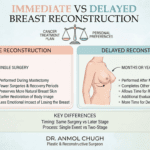
Several reconstructive techniques can help create a balanced appearance.
Implant-Based Reconstruction
Silicone or saline implants recreate breast volume.
The implant size is carefully selected to match the opposite breast whenever possible.
If necessary, the opposite breast may also be adjusted to improve symmetry.
Autologous (Flap) Reconstruction
This technique uses the patient’s own tissue, usually from the abdomen, back, or another donor site.
Benefits include:
- Natural softness
- Better tissue movement
- Long-term durability
- Excellent contour in selected patients
Combination Reconstruction
Some women benefit from combining implants with their own tissue.
This approach can improve both breast volume and overall shape.
Is Surgery on the Other Breast Sometimes Needed?
Yes.
To improve overall symmetry, some patients choose surgery on the opposite breast.
This may include:
These procedures are not performed because the healthy breast is abnormal.
Instead, they help create a better balance between both sides.
What Factors Affect Symmetry?
Several factors influence the final outcome.
Type of Mastectomy
Skin-sparing and nipple-sparing mastectomies often provide more skin for reconstruction.
Traditional mastectomy may require more extensive reconstruction.
Radiation Therapy
Radiation can affect:
- Skin elasticity
- Healing
- Scar formation
- Implant outcomes
These changes may influence long-term symmetry.
Body Shape
Every woman’s chest width, skin quality, and body proportions are different.
The reconstruction plan is customized accordingly.
Reconstruction Method
Implants and flap reconstruction each offer different advantages.
The most suitable option depends on anatomy, cancer treatment, and personal preferences.
Healing Process
Swelling gradually settles over several months.
Minor differences during early recovery often improve as healing progresses.
Can Perfect Symmetry Be Achieved?
This is one of the most important discussions during consultation.
Perfect mirror-image breasts are rarely possible—even before breast cancer surgery.
Instead, modern breast reconstruction focuses on:
- Natural appearance
- Comfortable body proportions
- Good clothing fit
- Long-term balance
Most patients are highly satisfied with realistic, natural-looking symmetry.
Dr. Anmol Chugh’s Clinical Perspective
Many patients initially believe reconstruction should create two completely identical breasts.
I explain that natural breasts are never perfectly identical.
The real objective is harmony rather than perfection.
By carefully planning reconstruction and, when appropriate, adjusting the opposite breast, we can usually achieve excellent symmetry that looks natural both in and out of clothing.
Common Mistakes Patients Make
Expecting Perfect Mirror Images
Natural-looking balance is a more realistic and satisfying goal than absolute symmetry.
Comparing Results With Other Patients
Every reconstruction is individualized.
Breast size, cancer treatment, and anatomy differ from person to person.
Ignoring the Role of Radiation
Radiation may affect long-term breast shape and should always be considered during treatment planning.
Making Decisions Too Quickly
Understanding all reconstructive options helps patients choose the approach that best matches their goals.
Forgetting That Reconstruction May Occur in Stages
Some women require more than one procedure to achieve the best long-term results.
Recovery Protocol Followed at Our Centre
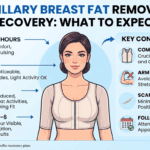
Recovery depends on the reconstructive method used.
Our general protocol includes:
- Individualized surgical planning
- Pain management
- Drain care when required
- Wound care instructions
- Early mobilisation
- Compression garments if advised
- Scar management guidance
- Regular follow-up appointments
Each recovery plan is customized for the individual patient.
Safety Checklist
Before reconstruction:
✔ Complete cancer treatment planning
✔ Discuss reconstruction timing
✔ Stop smoking if advised
✔ Control diabetes and other medical conditions
✔ Maintain realistic expectations
✔ Follow all recovery instructions
✔ Attend regular follow-up visits
Who May Not Be Ready for Immediate Reconstruction?
Immediate reconstruction may not be appropriate for patients who:
- Require extensive radiation therapy
- Have uncontrolled medical conditions
- Have active infections
- Smoke heavily without stopping
- Need additional cancer treatment before reconstruction
The safest timing is determined in collaboration with your oncology and reconstructive surgery teams.
What I Tell My Patients During Consultation
I remind every patient that breast reconstruction is not about creating perfection.
It is about helping you feel comfortable, confident, and balanced after breast cancer treatment.
When reconstruction is carefully planned around your anatomy and cancer care, the results often feel remarkably natural and restore confidence in everyday life.
Frequently Asked Questions
Can reconstructed breasts match my natural breast?
In many cases, yes. Modern reconstructive techniques can achieve very good symmetry, although perfectly identical breasts are uncommon.
Will I need surgery on my healthy breast?
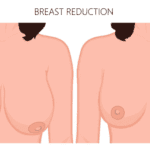
Not always. However, some women choose a breast lift, breast reduction, or breast augmentation on the opposite side to improve balance.
Does radiation affect breast symmetry?
Yes. Radiation can influence healing, skin quality, and long-term breast shape, which may affect reconstruction planning.
Will reconstructed breasts continue to age naturally?
Autologous tissue generally changes with your body over time, while implants maintain their shape but may require monitoring or replacement in the future.
How do I know which reconstruction method is best?
The best approach depends on your cancer treatment, anatomy, overall health, and personal goals. A consultation with an experienced plastic surgeon helps determine the most appropriate plan.
Final Thoughts
Breast reconstruction can play an important role in restoring symmetry after mastectomy, helping many women regain confidence and feel more comfortable with their appearance. While perfectly identical breasts are rarely the goal, modern reconstructive techniques can achieve natural, balanced results that complement your body shape and lifestyle.
Choosing the right timing and reconstruction method requires careful planning and close coordination with your breast cancer treatment team. During a personalized consultation, Dr. Anmol Chugh evaluates your anatomy, treatment history, and expectations to develop a reconstruction plan focused on long-term symmetry, safety, and natural-looking outcomes.
Related Procedures
References
- American Society of Plastic Surgeons. Breast Reconstruction.
https://www.plasticsurgery.org/reconstructive-procedures/breast-reconstruction - American Cancer Society. Breast Reconstruction Surgery After Mastectomy.
https://www.cancer.org/cancer/types/breast-cancer/reconstruction-surgery.html - National Comprehensive Cancer Network (NCCN). Breast Cancer Patient Guidelines.
https://www.nccn.org/patients - American Society of Clinical Oncology (ASCO). Breast Reconstruction After Breast Cancer Surgery.
https://www.cancer.net - Cordeiro PG. Breast reconstruction after surgery for breast cancer. New England Journal of Medicine. 2008;359(15):1590–1601.
https://doi.org/10.1056/NEJMct0802899 - Albornoz CR, Bach PB, Mehrara BJ, et al. A paradigm shift in U.S. breast reconstruction: Increasing implant rates. Plastic and Reconstructive Surgery. 2013;131(1):15–23.
https://doi.org/10.1097/PRS.0b013e3182729cde - International Society of Aesthetic Plastic Surgery (ISAPS). Patient Safety Resources.
https://www.isaps.org
Medically Reviewed By
Dr. Anmol ChughQualifications: MBBS, MS, MCh (Plastic Surgery)
Experience: 16+ Years in Plastic & Aesthetic Surgery
Review Date: 13 Jul 2026
This article has been medically reviewed for accuracy and patient safety.