7 Tips to Maintain Your Breast Augmentation Results
Many women spend months researching breast augmentation surgery before deciding to move forward. They carefully choose implant size, shape, and profile, hoping to achieve a result that looks natural and remains attractive for many years.
However, one important fact is often overlooked.
The surgery is only one part of the journey.
The way you care for your body after breast augmentation can have a significant impact on how your results age over time.
One of the most common questions I hear is:
“Doctor, how can I make my breast augmentation results last as long as possible?”
The answer is not a single product, cream, or treatment. Long-term results are influenced by lifestyle, weight stability, skin quality, aging, and regular follow-up care.
While modern breast implants are highly durable, maintaining beautiful results requires realistic expectations and good habits.
Table of Contents
- Understanding What Happens After Breast Augmentation
- 1. Wear Proper Breast Support
- 2. Keep Your Weight Stable
- 3. Protect Your Skin Quality
- 4. Avoid Smoking
- 5. Attend Regular Follow-Up Appointments
- 6. Understand That Implants Are Not Lifetime Devices
- 7. Know That Aging Continues
- What I Commonly See in My Practice
- Potential Complications Patients Should Know About
- Important Facts Patients Should Know
- Frequently Asked Questions
- Conclusion
Understanding What Happens After Breast Augmentation
Many patients assume that once implants are placed, the result remains unchanged forever.
In reality, the breasts continue to age just like the rest of the body.
Factors that can affect long-term results include:
- Pregnancy
- Breastfeeding
- Weight fluctuations
- Aging
- Skin elasticity
- Smoking
- Sun exposure
- Genetics
Modern breast implants are designed to be long-lasting, but no implant can completely stop the natural aging process.
Understanding this helps patients maintain realistic expectations.
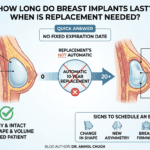
Also Read: How Long Do Breast Implants Last? When Is Replacement Needed?
1. Wear Proper Breast Support
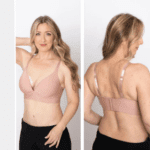
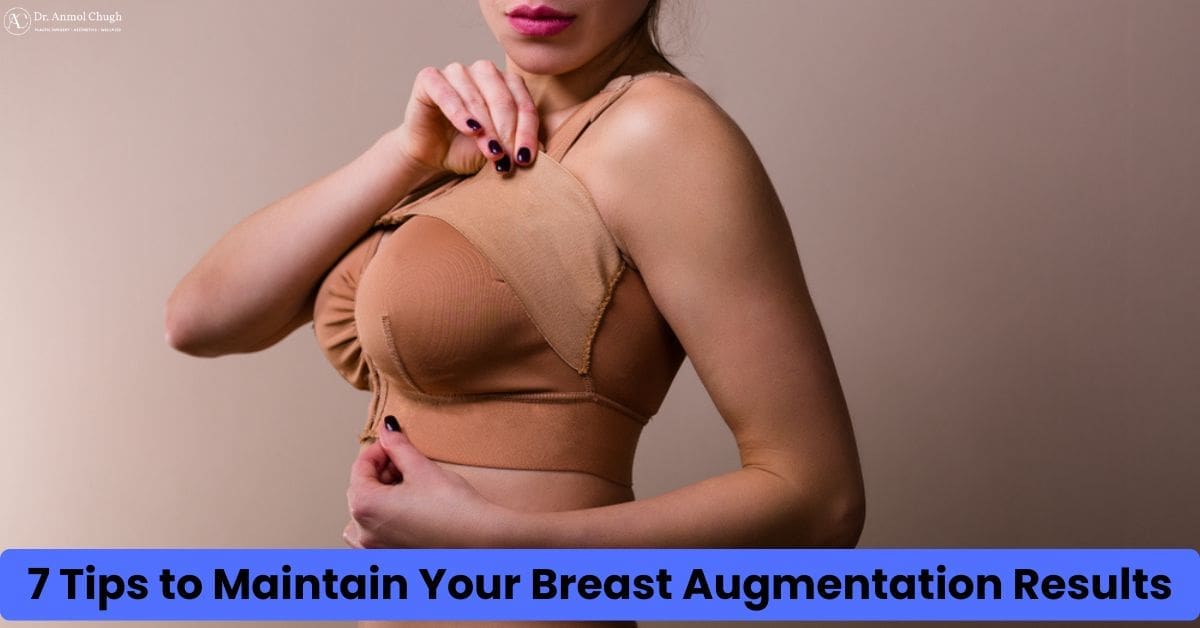
One of the simplest ways to protect your results is to wear appropriate support.
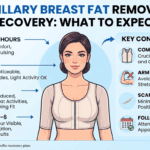
Immediately after surgery, patients are usually advised to wear a post-surgical garment or support bra.
Once healing is complete, supportive bras can help reduce unnecessary stress on breast tissues.
This becomes especially important during:
- Exercise
- Running
- High-impact activities
- Sports participation
Supportive garments help maintain breast shape and may reduce strain on skin and soft tissues over time.
2. Keep Your Weight Stable
One of the biggest threats to long-term breast augmentation results is repeated weight gain and weight loss.
Breast tissue naturally contains fat.
When body weight changes significantly:
- Breast volume may change.
- Skin may stretch.
- Breast position may change.
- Sagging may become more noticeable.
In general, patients who maintain a relatively stable weight tend to preserve their results longer.
Research across cosmetic surgery consistently shows that stable weight contributes to more predictable long-term outcomes.
3. Protect Your Skin Quality
Healthy skin plays an important role in supporting the breasts.
As skin loses elasticity, breast position can gradually change.
To support skin health:
- Stay hydrated.
- Avoid excessive sun exposure.
- Use sunscreen on exposed chest skin.
- Maintain good nutrition.
- Avoid smoking.
Sun damage can accelerate skin aging and contribute to collagen breakdown.
Healthy skin often ages more gracefully and provides better long-term support.
Also Read: Breast Fat Transfer vs Breast Implants: Which Is Right for You?
4. Avoid Smoking
Smoking affects far more than general health.
It can also affect:
- Blood circulation
- Wound healing
- Skin elasticity
- Scar quality
Patients undergoing cosmetic surgery are generally advised to stop smoking at least 4 weeks before and 4 weeks after surgery because smoking increases healing-related complications.
Long-term smoking may also contribute to premature skin aging and reduced tissue quality.
For patients who want the best possible long-term outcome, avoiding smoking is one of the most valuable decisions they can make.
5. Attend Regular Follow-Up Appointments
Many patients assume that if their breasts feel normal, there is no need for future review.
However, routine follow-up remains important.
Regular assessments can help identify:
- Implant position changes
- Capsular contracture
- Implant rupture
- Breast asymmetry
- Other implant-related concerns
Fortunately, serious complications are uncommon, but early detection generally makes management easier.
Also Read: Breast Surgery in Delhi: Cost, Procedures, and Recovery Guide
6. Understand That Implants Are Not Lifetime Devices
This is one of the most important points patients should understand.
Modern breast implants are highly durable, but they are not considered lifetime devices.
A common myth is:
“All implants must be replaced every 10 years.”
This is not necessarily true.
Many women maintain excellent results for 15–20 years or longer without needing replacement.
Replacement is usually recommended when:
- A complication develops.
- The implant ruptures.
- Capsular contracture occurs.
- The patient wants a different size or shape.
The decision is based on individual circumstances rather than a fixed schedule.
Read more about: How Long Do Breast Implants Last? When Is Replacement Needed?
7. Know That Aging Continues
Even the most successful breast augmentation surgery cannot stop aging.
Over time:
- Skin naturally loses elasticity.
- Breast tissues change.
- Gravity continues to affect the body.
Some patients eventually consider additional procedures such as:
- Breast lift surgery
- Implant exchange
- Fat transfer
- Revision breast surgery
This does not mean the original surgery failed.
It simply reflects the fact that the body continues to change over time.
Also Read: Breast Lift vs Implants: What Families Should Know
What I Commonly See in My Practice
In my practice, the patients who enjoy the longest-lasting results are usually not those who chose the largest implants or the most expensive procedure.
Instead, they are often the patients who maintain healthy habits.
They keep their weight stable, avoid smoking, attend follow-up appointments, and understand that surgery works best when combined with long-term self-care.
I also frequently meet patients who are worried because their breasts have changed several years after surgery.
In many cases, the implants are completely normal. The changes are often related to aging, pregnancy, or weight fluctuations rather than a problem with the implants themselves.
Understanding this helps patients make informed decisions and avoid unnecessary anxiety.
Potential Complications Patients Should Know About
Every surgical procedure carries risks.
Potential complications of breast augmentation include:
- Bleeding
- Infection
- Seroma
- Hematoma
- Implant rupture
- Implant malposition
- Asymmetry
- Changes in nipple sensation
- Scarring
- Capsular contracture
- Need for revision surgery
Being aware of these possibilities helps patients make informed decisions and recognize when follow-up may be needed.
Important Facts Patients Should Know
- Breast implants are not lifetime devices.
- Many implants last 15–20 years or longer.
- Smoking increases healing-related risks.
- Stable weight helps preserve long-term results.
- Supportive bras may help maintain breast shape.
- Pregnancy and breastfeeding can affect breast appearance.
- Aging affects natural breast tissue even when implants remain intact.
Frequently Asked Questions
How long do breast implants last?
Many women maintain their implants for 15–20 years or longer without replacement.
Do I need implant replacement every 10 years?
Not necessarily. Replacement is usually performed only when medically indicated or desired by the patient.
Can weight loss affect my results?
Yes. Significant weight changes can alter breast shape and skin quality.
Can pregnancy change my breast augmentation results?
Yes. Pregnancy and breastfeeding may affect breast volume and position.
Is wearing a bra important after surgery?
Proper support is generally recommended, especially during exercise.
Can implants sag over time?
Implants themselves do not sag, but the surrounding tissues can change with age.
What is capsular contracture?
It is a condition where scar tissue around the implant becomes unusually firm or tight.
Can I exercise after breast augmentation?
Yes. Most patients return to exercise gradually once healing is complete.
Should I avoid smoking?
Yes. Smoking negatively affects healing and long-term tissue quality.
When should I contact my surgeon?
Any new swelling, pain, firmness, shape change, or asymmetry should be evaluated.
Conclusion
A successful breast augmentation is not only about the surgery itself. Long-term results depend on how well the breasts and surrounding tissues are cared for over the years.
Maintaining a stable weight, protecting skin quality, avoiding smoking, wearing proper support, and attending regular follow-up appointments can help preserve your results for as long as possible.
If you have questions about your implants, concerns about changes in breast appearance, or want to understand whether your results are aging normally, a consultation can help determine the most appropriate next step.
Written By
Dr. Anmol Chugh
Plastic, Aesthetic & Reconstructive Surgeon
References
- Coroneos CJ, Selber JC, Offodile AC, Butler CE, Clemens MW. US FDA Breast Implant Postapproval Studies: Long-Term Outcomes in 99,993 Patients. Annals of Surgery.
- American Society of Plastic Surgeons (ASPS). Breast Augmentation Patient Safety and Recovery Guidelines.
- U.S. Food and Drug Administration (FDA). Breast Implants – Safety Information and Recommendations.
- Spear SL, Murphy DK. Natrelle Round Silicone Breast Implants: Core Study Results at 10 Years: Plastic and Reconstructive Surgery.
- Maxwell GP, Van Natta BW, Bengtson BP, Murphy DK. Ten-Year Results from the Natrelle 410 Anatomical Form-Stable Silicone Breast Implant Study.
Medically Reviewed By
Dr. Anmol ChughQualifications: MBBS, MS, MCh (Plastic Surgery)
Experience: 16+ Years in Plastic & Aesthetic Surgery
Review Date: 30 Dec 2025
This article has been medically reviewed for accuracy and patient safety.