Breast Reduction: The Surgery Women Delay for Years
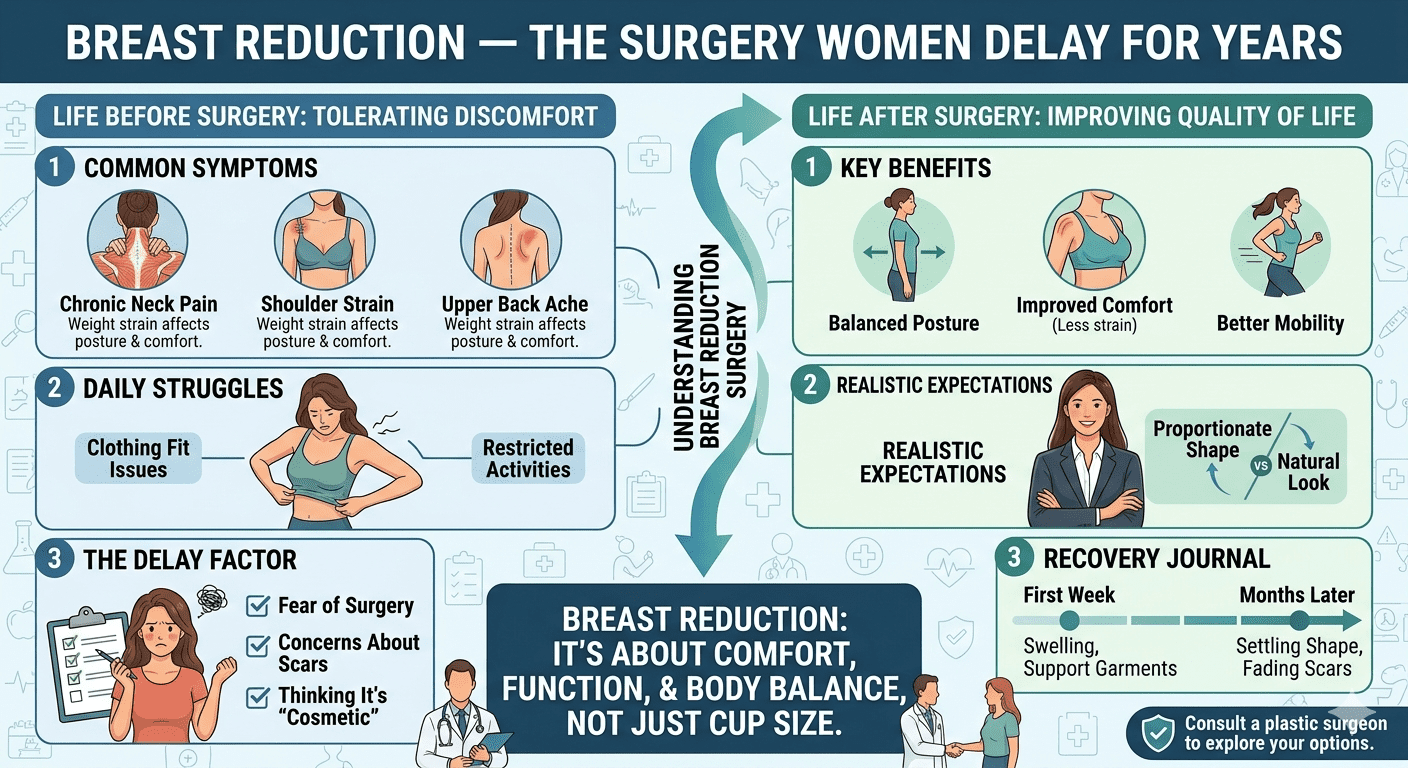
Many women live with excessively large breasts for years before seeking help.
They learn to adjust their clothing choices, tolerate neck and shoulder pain, avoid certain physical activities, and accept daily discomfort as a normal part of life.
Some believe surgery is purely cosmetic and that they should simply “learn to live with it.”
Others worry about scars, recovery, or what family members may think.
One of the most common things I hear during consultation is:
“Doctor, I wish I had done this years ago.”
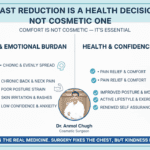
The reality is that breast reduction surgery is not simply about making breasts smaller. For many women, it is about reducing physical discomfort, improving mobility, restoring body proportions, and improving quality of life.
Table of Contents
- What Is Breast Reduction Surgery?
- Why Do Women Delay Breast Reduction?
- How Can Large Breasts Affect Daily Life?
- Who Is a Good Candidate for Breast Reduction Surgery?
- Who Should Avoid or Delay Surgery?
- What I Commonly See in My Practice
- What Happens During Breast Reduction Surgery?
- What Results Can You Expect?
- Risks and Possible Complications
- Recovery After Breast Reduction Surgery
- Important Facts Patients Should Know
- Breast Reduction Surgery in Gurgaon and Delhi NCR
- Frequently Asked Questions
- Conclusion
What Is Breast Reduction Surgery?
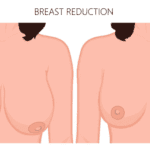
Breast reduction surgery, also called reduction mammoplasty, is a procedure that removes excess breast tissue, fat, and skin to create breasts that are lighter, smaller, and better proportioned to the body.
The procedure can help address:
- Chronic neck pain
- Shoulder pain
- Upper back pain
- Bra strap grooving
- Skin irritation beneath the breasts
- Difficulty exercising
- Clothing fit problems
- Poor posture
- Physical discomfort during daily activities
The goal is not simply to reduce breast size but to improve comfort, function, and overall body balance.
Why Do Women Delay Breast Reduction?
Many women spend years considering surgery before taking the next step.
Common reasons include:
Fear of Surgery
Many patients are nervous about undergoing any surgical procedure.
Thinking the Problem Is Not Serious Enough
Some women assume discomfort is simply something they must tolerate.
Concerns About Scars
Scars are one of the most common concerns discussed during consultation.
Family Responsibilities
Mothers often prioritize everyone else’s needs before their own health and comfort.
Fear of Judgment
Because breasts are often discussed in cosmetic terms, some women hesitate to seek treatment even when they have significant physical symptoms.
As a result, many patients continue living with discomfort for years before exploring treatment options.
How Can Large Breasts Affect Daily Life?
Many people underestimate how much excessively heavy breasts can affect daily function.
Common symptoms include:
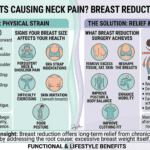
Neck Pain
The weight of large breasts can place additional strain on neck muscles.
Shoulder Pain
Bra straps may dig into the shoulders, causing discomfort and deep grooves.
Back Pain
Poor weight distribution can contribute to chronic upper back discomfort.
Skin Irritation
Moisture and friction beneath the breasts may lead to rashes and irritation.
Difficulty Exercising
Running, jumping, and high-impact activities can become uncomfortable.
Clothing Challenges
Many women struggle to find clothing that fits properly due to disproportionate breast size.
These issues often affect confidence, activity levels, and overall quality of life.
Read more about: Heavy Breasts Causing Neck Pain? Breast Reduction Can Help
Who Is a Good Candidate for Breast Reduction Surgery?
You may be a suitable candidate if:
- You experience neck, shoulder, or back discomfort.
- Your breasts feel disproportionately large for your body.
- You have skin irritation beneath the breasts.
- Physical activity is uncomfortable.
- Your breast size affects clothing choices.
- You are physically healthy.
- You have realistic expectations.
The decision is based on symptoms and anatomy rather than a specific cup size.
Who Should Avoid or Delay Surgery?
Breast reduction surgery may not be appropriate for:
- Women with uncontrolled medical conditions.
- Patients with active infections.
- Individuals with unrealistic expectations.
- Active smokers unwilling to stop smoking.
- Patients planning significant future weight changes.
Smoking can significantly affect wound healing. Most plastic surgeons recommend stopping smoking at least 4 weeks before and 4 weeks after surgery to reduce complications. This recommendation is consistent with surgical guidelines used across body contouring procedures.
What I Commonly See in My Practice
In my practice, many women seeking breast reduction surgery have been dealing with symptoms for years.
Some tell me they have visited physiotherapists repeatedly for neck and shoulder pain. Others have spent years trying different bras, posture exercises, or workout programs without meaningful relief.
A common theme is that they often underestimate how much their breast size affects daily life until we discuss their symptoms in detail.
Many patients initially focus on appearance, but during consultation, they realize that the biggest issue is physical discomfort.
What often surprises patients most is how many women share the same experience.
After recovery, many tell me they wish they had considered the procedure much earlier because they did not realize how much discomfort they had normalized.
What Happens During Breast Reduction Surgery?
The procedure is usually performed under general anesthesia.
During surgery:
- Excess breast tissue is removed.
- Excess skin is removed.
- The breasts are reshaped.
- The nipple and areola are repositioned.
- Symmetry is refined.
- Incisions are closed.
The amount of tissue removed varies depending on the patient’s anatomy and goals.
The objective is to create a breast size that is comfortable, proportionate, and natural-looking.
What Results Can You Expect?
Breast reduction can improve:
- Neck pain
- Shoulder discomfort
- Upper back pain
- Skin irritation
- Physical activity tolerance
- Clothing fit
- Body proportions
Many women report feeling physically lighter almost immediately after surgery.
Patients often find that exercise becomes easier and that clothing fits more comfortably.
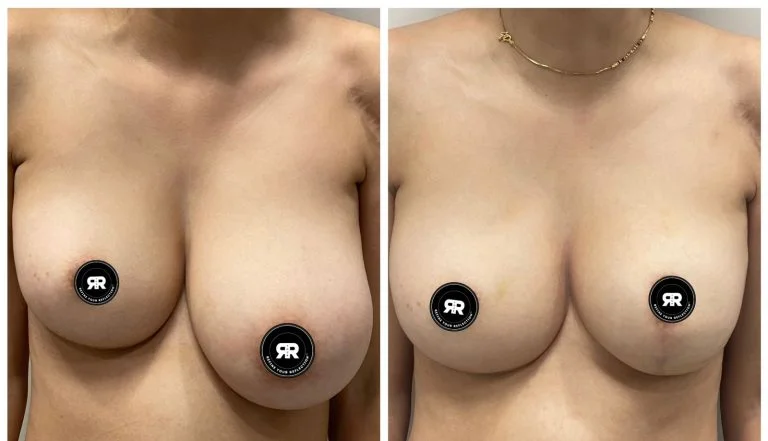
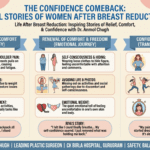
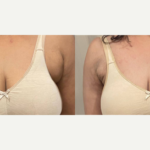
Before-and-After Perspective
While every patient’s results are different, many women describe the change as life-improving rather than simply appearance-enhancing.
The most common feedback after recovery includes:
- Less strain on the neck and shoulders.
- Greater comfort during exercise.
- Improved clothing options.
- Better body proportions.
- Improved confidence in daily life.
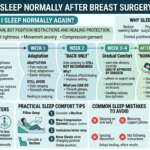
Recovery After Breast Reduction Surgery
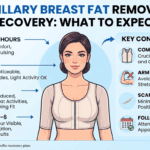
Recovery occurs gradually over several weeks and months.
First Week
- Swelling and soreness are expected.
- Support garments are worn.
- Walking is encouraged.
Two to Four Weeks
- Most patients return to routine activities.
- Swelling gradually improves.
Four to Six Weeks
- Activity levels increase.
- Exercise restrictions may begin to ease.
Two to Three Months
- Breasts continue settling into their new shape.
- Most swelling improves significantly.
Six Months to One Year
- Scars continue to mature.
- Final breast shape becomes more apparent.
Recovery experiences vary, but most patients find the process manageable.
Also Read: Breast Reduction Surgery: Benefits, Risks, and Recovery Tips by Dr. Anmol Chugh
Recovery Protocol Followed at Our Centre
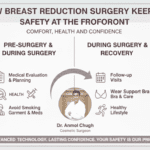
Although recovery is individualized, patients are typically advised to:
- Wear prescribed support garments.
- Walk regularly to encourage circulation.
- Avoid heavy lifting during early recovery.
- Attend scheduled follow-up appointments.
- Follow scar care recommendations once healing allows.
- Gradually return to exercise as advised.
Following postoperative instructions carefully can significantly influence healing and final results.
Safety Checklist Before Breast Reduction Surgery
Before proceeding with surgery, patients should ideally:
- Be medically fit for surgery.
- Maintain a stable body weight.
- Stop smoking at least 4 weeks before and after surgery.
- Understand potential risks and limitations.
- Have realistic expectations.
- Complete all recommended preoperative evaluations.
- Arrange adequate support during the early recovery period.
Risks and Possible Complications
Every surgical procedure carries risks.
Potential complications include:
- Bleeding
- Infection
- Delayed wound healing
- Scarring
- Asymmetry
- Changes in nipple sensation
- Difficulty breastfeeding in some cases
- Fat necrosis
- Fluid collections
- Need for revision surgery
An honest discussion about risks is important before any surgical procedure.
Fortunately, serious complications are relatively uncommon in appropriately selected patients.
Read more about: Breast Reduction Side Effects: What You Need to Know Before Surgery
Important Facts Patients Should Know
- Breast reduction surgery can improve both appearance and physical symptoms.
- Many women delay treatment for years despite significant discomfort.
- Large breasts can contribute to neck, shoulder, and back pain.
- Smoking should stop at least 4 weeks before and after surgery.
- Recovery occurs gradually over several weeks and months.
- The procedure is often associated with high patient satisfaction rates.
Breast Reduction Surgery in Gurgaon and Delhi NCR
Many women seeking breast reduction in Gurgaon and Delhi NCR are primarily looking for relief from physical symptoms rather than cosmetic enhancement.
A detailed consultation helps determine whether symptoms are related to breast size and whether surgery is likely to provide meaningful improvement.
Treatment planning should always be individualized based on anatomy, lifestyle, and patient goals.
Frequently Asked Questions
Is breast reduction surgery cosmetic or medical?
It can be both. Many patients seek surgery because of physical symptoms such as neck, shoulder, and back pain.
Will I have scars?
Yes. Scars are a necessary part of the procedure, although they typically improve significantly over time.
Is the surgery painful?
Most patients experience manageable discomfort that gradually improves during recovery.
How long is recovery?
Most patients resume many normal activities within a few weeks, although complete healing takes longer.
Can I breastfeed after surgery?
Many women can breastfeed after reduction surgery, but outcomes vary and cannot be guaranteed.
Will my breasts look natural?
The goal is to create a natural, balanced, and proportionate appearance.
Can breast size increase again?
Significant weight gain, hormonal changes, or pregnancy can affect breast size in the future.
Will my neck and shoulder pain improve?
Many patients experience meaningful improvement in symptoms after surgery.
When can I exercise again?
Exercise is usually reintroduced gradually based on healing progress.
Are the results permanent?
Results are generally long-lasting when weight remains relatively stable.
Conclusion
Many women spend years tolerating discomfort caused by excessively large breasts because they believe surgery is unnecessary or purely cosmetic.
In reality, breast reduction surgery can improve physical comfort, mobility, body proportions, and quality of life.
For many patients, the biggest regret is not having the procedure sooner.
If you are unsure whether your symptoms are related to breast size or whether breast reduction surgery may be appropriate for you, a consultation can help you better understand your options and choose the treatment that best fits your goals.
References
- American Society of Plastic Surgeons (ASPS). Breast Reduction Surgery Patient Guide.
- U.S. Food and Drug Administration (FDA). Breast Surgery Safety Information.
- StatPearls Publishing. Reduction Mammoplasty.
- International Society of Aesthetic Plastic Surgery (ISAPS). Breast Surgery Guidelines.
- Breast Reduction – StatPearls – NCBI Bookshelf – NIH.
Medically Reviewed By
Dr. Anmol ChughQualifications: MBBS, MS, MCh (Plastic Surgery)
Experience: 16+ Years in Plastic & Aesthetic Surgery
Review Date: 16 Jun 2026
This article has been medically reviewed for accuracy and patient safety.