Liposuction: Why It Is Not Weight Loss Surgery
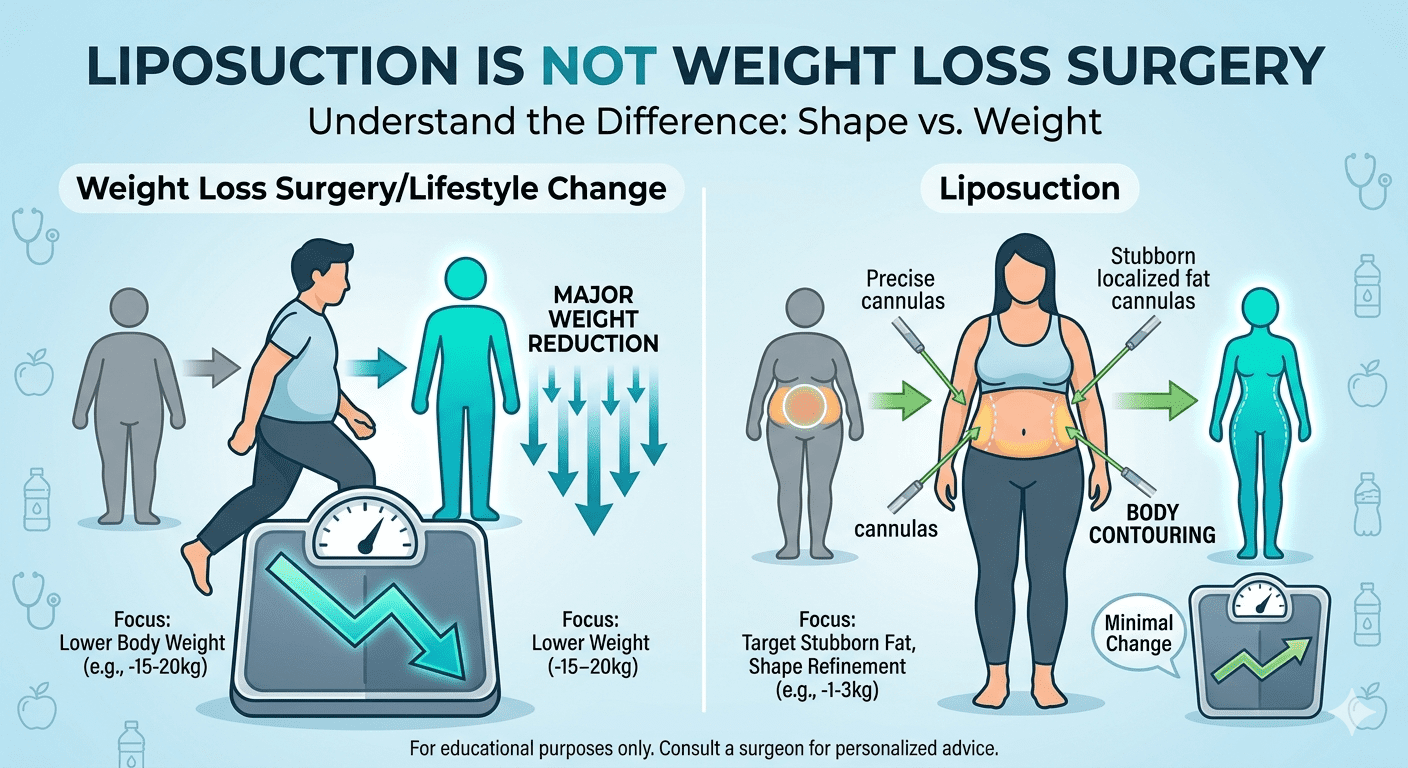
Many people come for consultation believing liposuction is a shortcut to weight loss.
A common statement I hear is:
“Doctor, I want to lose 15–20 kg. Can liposuction help?”
This is one of the biggest misconceptions about liposuction.
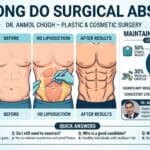
Liposuction is a body contouring procedure, not a weight loss surgery. Its purpose is to remove stubborn fat deposits that do not respond well to diet and exercise. It can improve body shape and proportions, but it is not designed to treat obesity.
Understanding this difference is important because patients who have realistic expectations are usually much happier with their results.
Table of Contents
- What Is Liposuction?
- Why Liposuction Is Not Weight Loss Surgery
- What Causes Stubborn Fat?
- Who Is a Good Candidate for Liposuction?
- Who Should Avoid Liposuction?
- What I Commonly See in My Practice
- What Happens During Liposuction?
- What Results Can You Expect?
- Risks and Possible Complications
- Recovery After Liposuction
- Important Facts Patients Should Know
- Liposuction in Gurgaon and Delhi NCR
- Frequently Asked Questions
What Is Liposuction?
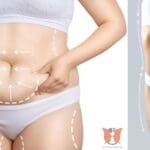
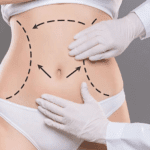
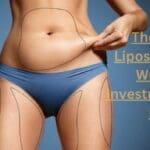
Liposuction is a cosmetic surgical procedure that removes localized fat deposits from specific areas of the body.
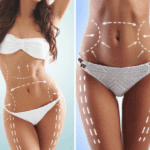
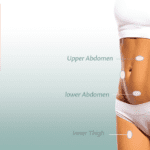
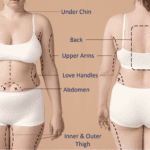
Common treatment areas include:
- Abdomen
- Waist and flanks
- Thighs
- Arms
- Back
- Chin and neck
- Chest in men with gynecomastia
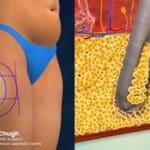
The procedure uses a thin tube called a cannula to remove excess fat through small incisions.
Modern liposuction techniques may include:
- Power-Assisted Liposuction (PAL)
- VASER Liposuction
- Ultrasound-Assisted Liposuction
- Traditional Suction-Assisted Liposuction
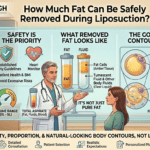
The goal is not to make a patient lighter. The goal is to create a more balanced and proportionate body shape.
Know more about: Liposuction Treatment Technology in India
Why Liposuction Is Not Weight Loss Surgery
Weight loss and body contouring are two different things.
When a person loses weight through diet, exercise, medication, or bariatric surgery, the overall body weight decreases.
Liposuction works differently.
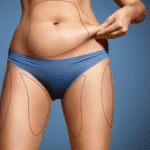
It removes selected fat deposits from specific areas that are resistant to lifestyle changes. Even after significant fat removal, the number on the weighing scale may not change dramatically.
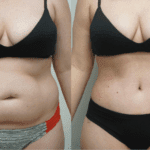
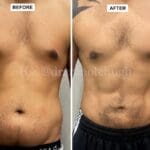
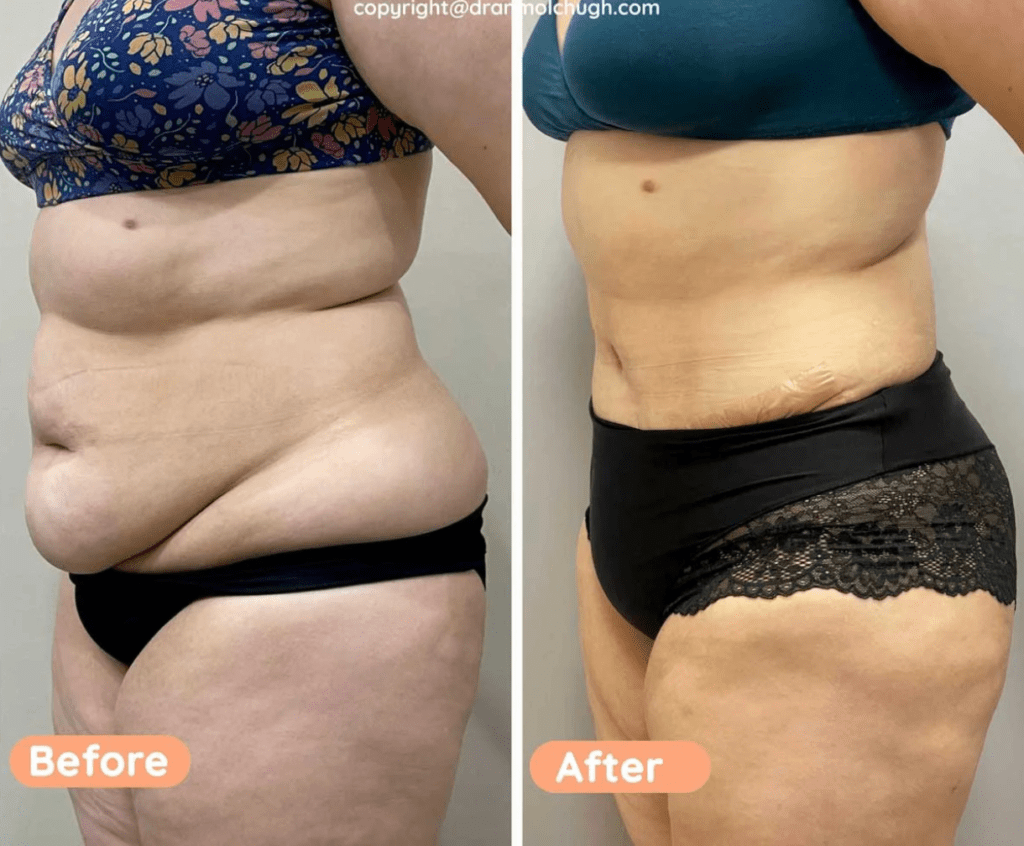
For example, a patient may lose only a few kilograms after liposuction but notice a significant improvement in waistline definition, clothing fit, and body proportions.
This is why surgeons often say:
Liposuction changes shape more than it changes weight.
What Causes Stubborn Fat?
Many patients maintain a healthy lifestyle yet continue to struggle with fat deposits in certain areas.
Common reasons include:
- Genetics
- Hormonal influences
- Aging
- Pregnancy-related body changes
- Differences in fat distribution
These fat deposits often remain despite regular exercise and healthy eating habits.
Liposuction can target these specific areas when lifestyle measures alone are not enough.
Who Is a Good Candidate for Liposuction?
You may be a suitable candidate if:
- You are close to your ideal body weight.
- Your weight has been stable for at least 6 to 12 months.
- You have localized fat deposits.
- Your skin has good elasticity.
- You are in good general health.
- You have realistic expectations.
Research and clinical guidelines consistently show that liposuction works best for body contouring rather than major weight reduction.
Patients who are already near their target weight often achieve the most predictable and satisfying results.
Who Should Avoid Liposuction?
Liposuction may not be appropriate for:
- Individuals seeking major weight loss.
- Patients with uncontrolled medical conditions.
- People with unrealistic expectations.
- Patients with significant skin laxity who may require skin removal procedures.
- Pregnant women.
- Active smokers unwilling to stop smoking.
Smoking increases the risk of wound-healing problems and complications. Patients are generally advised to stop smoking at least 4 weeks before and after surgery.
What I Commonly See in My Practice
In my practice, many patients arrive frustrated because they have worked hard to lose weight but still have stubborn fat around the abdomen, waist, arms, or thighs.
Often, these patients assume they need to lose even more weight. However, after examination, we find that their main concern is not overall body weight but uneven fat distribution.
I also see patients who expect liposuction to replace healthy eating and exercise. I explain that liposuction is most effective when used to refine body contours after a patient has already made lifestyle improvements.
The happiest patients are usually those who understand that liposuction is a shaping procedure rather than a weight-loss treatment.
What Happens During Liposuction?
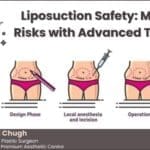
The procedure is usually performed under local anesthesia, sedation, or general anesthesia, depending on the treatment area and amount of fat being removed.
The surgeon:
- Makes small incisions.
- Introduces a cannula beneath the skin.
- Breaks up and removes fat deposits.
- Closes the small incisions.
The duration of surgery depends on the number of areas being treated.
Many patients return home on the same day.
What Results Can You Expect?
Liposuction can improve:
- Waistline definition
- Abdominal contour
- Arm shape
- Thigh proportions
- Jawline appearance
- Overall body balance
Results become more visible as swelling decreases.
Most patients notice significant improvement within a few weeks, while final contouring may continue to improve over several months.
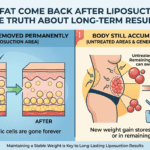
It is important to understand that liposuction does not prevent future weight gain.
If a patient gains weight after surgery, remaining fat cells can still enlarge.
Risks and Possible Complications
Every surgical procedure carries risks.
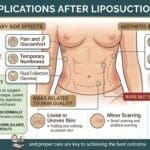
Potential complications include:
- Bleeding
- Infection
- Seroma (fluid collection)
- Swelling
- Bruising
- Temporary numbness
- Contour irregularities
- Asymmetry
- Skin laxity
- Deep vein thrombosis (rare)
- Need for revision surgery
An honest discussion about risks is an important part of surgical planning.
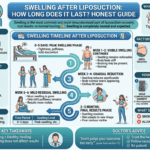
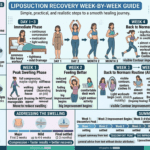
Recovery After Liposuction
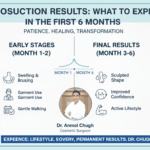
First Week
- Swelling and bruising are expected.
- Compression garments are usually worn.
- Walking is encouraged.
Two to Four Weeks
- Most patients return to routine activities.
- Swelling gradually improves.
Four to Six Weeks
- Exercise can usually be increased gradually.
- Body contour becomes more visible.
Three to Six Months
- Final results continue to develop.
- Residual swelling resolves.
Following postoperative instructions plays a major role in achieving optimal results.
Read more details: Liposuction Recovery Week-by-Week Guide
Important Facts Patients Should Know
- Liposuction is not a treatment for obesity.
- Weight should ideally remain stable for 6–12 months before surgery.
- Smoking should stop at least 4 weeks before and after surgery.
- Results improve gradually over several months.
- Healthy lifestyle habits remain important after surgery.
- Liposuction improves body shape more than body weight.
Liposuction in Gurgaon and Delhi NCR
Many patients in Gurgaon, Delhi NCR, and nearby regions seek liposuction after reaching a plateau with diet and exercise.
The most successful outcomes are typically seen in patients who are already maintaining a healthy lifestyle and want to address specific areas of stubborn fat.
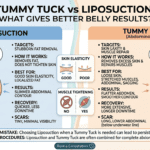
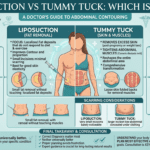
A detailed consultation helps determine whether liposuction, tummy tuck surgery, body contouring, or another treatment is the most appropriate option.
Frequently Asked Questions
Is liposuction painful?
Most patients experience soreness and discomfort rather than severe pain.
How much weight can I lose with liposuction?
Liposuction is not intended for significant weight loss. The goal is body contour improvement.
Will the fat come back?
Removed fat cells do not return, but remaining fat cells can enlarge if significant weight gain occurs.
How soon can I return to work?
Many patients return to desk work within a few days to one week, depending on the extent of treatment.
Will I have scars?
Incisions are very small and generally heal well.
Is liposuction safe?
When performed on appropriate candidates by qualified surgeons, liposuction is generally considered safe.
Can liposuction tighten loose skin?
Liposuction removes fat but does not significantly tighten excess skin.
Can I combine liposuction with other procedures?
Yes. It is commonly combined with tummy tuck surgery, gynecomastia surgery, or fat transfer procedures.
When will I see the final results?
Most swelling improves within weeks, but final results may take several months.
Is liposuction permanent?
The removed fat cells are permanently removed, but maintaining results requires a stable weight and a healthy lifestyle.
Conclusion
Liposuction is one of the most effective procedures for improving body contours, but it should not be viewed as a weight loss surgery.
The best candidates are individuals who are already close to their ideal weight and want to address stubborn fat deposits that do not respond to diet and exercise.
If you are unsure whether your concern is related to excess fat, loose skin, muscle separation, or overall weight, a consultation can help determine the most appropriate treatment for your goals.
Written By
Dr. Anmol Chugh
MCh Plastic & Cosmetic Surgeon
Founder, SkinLift Studio Clinic, Gurgaon
References
- Liposuction. StatPearls Publishing, NCBI Bookshelf.
- American Society of Plastic Surgeons (ASPS). Liposuction Patient Safety Information.
- Rohrich RJ, Beran SJ, Fodor PB. The Role of Liposuction in Body Contouring.
- International Society of Aesthetic Plastic Surgery (ISAPS). Practice Guidelines.
- Abdominoplasty. StatPearls Publishing, NCBI Bookshelf.
Related Procedures
Medically Reviewed By
Dr. Anmol ChughQualifications: MBBS, MS, MCh (Plastic Surgery)
Experience: 16+ Years in Plastic & Aesthetic Surgery
Review Date: 14 Jun 2026
This article has been medically reviewed for accuracy and patient safety.