Exercise After Liposuction

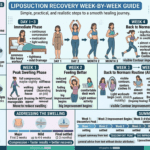
Resuming exercise after liposuction should follow a gradual, phased approach over approximately six weeks, depending on the extent of surgery, healing speed, and surgeon guidance. Exercising too early or too intensely can cause complications like swelling, pain, or seroma formation. A slow and steady return ensures the best results and preserves your body contour.
Phase 1: Early Recovery (Days 1–7)
Goal: Encourage circulation, prevent clots, and support gentle mobility.
What to Do:
– Begin light walking within 2–3 days after surgery.
– Walk briefly every few hours to improve blood flow.
– Keep activity gentle and low effort (no bending, running, or lifting).
Avoid:
– Strenuous exercise, heavy lifting, or any motion that strains treated areas.
– Sudden or jerky movements while tissues are still inflamed and tender.
Phase 2: Transition (Weeks 2–3)
Goal: Rebuild circulation and light stamina without stressing healing tissues.
What to Do:
– Introduce low-impact cardio such as walking on a treadmill, stationary cycling, or gentle elliptical workouts.
– Maintain compression garment use during and after activity to manage swelling.
– Increase duration and intensity gradually while avoiding exhaustion.
Avoid:
– Twisting, stretching, or movements targeting treated zones directly.
Phase 3: Moderate Activity (Weeks 4–6)
Goal: Regain flexibility, tone, and mobility with moderate workouts.
What to Do:
– Resume brisk walking, light resistance training (low weights, high reps), and gentle yoga if cleared by your surgeon.
– Start at 25–40% of your pre-surgery intensity, and scale up slowly.
– Stop immediately if you feel tightness, pain, or swelling.
Avoid:
– High-impact cardio, running, or abdominal/core-focused exercises.
– Any activity that causes sharp or prolonged pain.
Phase 4: Full Activity (After 6 Weeks)
Goal: Return safely to your full workout routine.
What to Do:
– Once cleared by your surgeon, resume high-intensity training, running, or heavy lifting.
– Continue hydration, balanced nutrition, and compression garment use as advised.
– Focus on whole-body strength and endurance rather than just spot training.
Avoid:
– Overexerting if swelling or tenderness persists.
– Ignoring new discomfort, slow down and rest when needed.
Also Read: Safety First: What to Know Before Your Liposuction in India
Red Flags: Stop Exercise Immediately If You Experience
– Sharp or increasing pain at the surgical site.
– Dizziness, fainting, or shortness of breath.
– Swelling, redness, or heat in treated areas.
– Drainage, unusual discharge, or persistent fatigue.
If any of these occur, stop all activity and contact your surgeon immediately.
When to Call Your Surgeon
Seek medical review if you notice:
– Increasing swelling, bruising, or redness after several days.
– Severe pain unrelieved by rest or medication.
– Fever above 100.4°F (38°C).
– Yellow, green, or foul-smelling drainage.
– Uncontrolled bleeding or fluid accumulation (bulging).
– Numbness, tingling, or restricted movement.
Safe Monitoring Practices
– Record your daily pain, swelling, and energy levels in a recovery journal.
– Stay hydrated and maintain compression garment use.
– Attend all postoperative follow-ups even if you feel fine.
– Consider lymphatic drainage massages to reduce swelling.
Long-Term Exercise for Maintenance
Once fully healed, regular exercise is essential to maintain your new contour.
Recommended activities:
– Cardio: Swimming, cycling, jogging, brisk walking
– Strength Training: Pilates, resistance bands, light weights
– Flexibility: Yoga, stretching
Aim for 150 minutes of cardiovascular exercise weekly, complemented by 2–3 strength sessions.
Quick Reference Timeline
| Time Since Surgery | Activity Level | Key Focus |
| Days 1–3 | Gentle walking every few hours | Circulation, clot prevention |
| Weeks 2–3 | Light, low-impact cardio | Gradual mobility, swelling control |
| Weeks 4–6 | Moderate exercise, yoga, and light weights | Regain tone, flexibility |
| After 6 weeks | Full-intensity exercise with clearance | Strength, endurance, contour maintenance |
Patience is the key to lasting liposuction results. Move early but gently. Listen to your body, stay hydrated, and maintain discipline during recovery. This approach ensures safe healing, beautiful results, and long-term well-being.
Frequently Asked Questions (FAQs)
When can I start exercising after liposuction?
Most patients can begin light walking within a few days after surgery, while more strenuous activities should wait until approved by their surgeon.
Can I go to the gym after liposuction?
Light gym activities may be resumed after a few weeks, but heavy lifting and intense workouts are usually delayed until around 6 weeks or as advised by your surgeon.
What exercises are safe during liposuction recovery?
Walking, gentle stretching, and low-impact cardio are generally safe during the early stages of recovery, depending on your healing progress.
What happens if I exercise too soon after liposuction?
Exercising too early can increase swelling, pain, bruising, and the risk of complications, which may affect your recovery and final results.
How long should I wear a compression garment while exercising?
Your surgeon will provide specific guidance, but many patients are advised to wear compression garments for several weeks during recovery.
Does exercise help maintain liposuction results?
Yes, regular exercise combined with a healthy diet can help maintain your new body contour and support long-term results after liposuction.
When can I return to full-intensity workouts after liposuction?
Most patients can return to their normal workout routine after about 6 weeks, provided they have healed well and received clearance from their surgeon.
Medically Reviewed By
Dr. Anmol ChughQualifications: MBBS, MS, MCh (Plastic Surgery)
Experience: 16+ Years in Plastic & Aesthetic Surgery
Review Date: 22 Oct 2025
This article has been medically reviewed for accuracy and patient safety.