The Role of Science and Technology in Liposuction Success

Many people considering liposuction ask the same question:
“Should I choose a clinic because it has the latest technology?”
It is an understandable question. Today you hear terms like VASER Liposuction, Power-Assisted Liposuction (PAL), Laser Liposuction, and Ultrasound Liposuction everywhere.
But does newer technology automatically mean better results?
The answer is not always.
Modern technology has certainly made liposuction surgery safer, more precise, and more comfortable for many patients. However, technology is only one part of successful treatment. The surgeon’s experience, patient selection, and surgical planning remain equally important.
In this guide, we’ll explain how modern technology has changed liposuction, what these different techniques actually do, and how they help improve safety and body contouring.
Table of Contents
- Quick Answer
- Why Has Liposuction Changed Over the Years?
- How Does Liposuction Actually Work?
- How Modern Technology Has Improved Liposuction
- Tumescent Liposuction
- Power-Assisted Liposuction (PAL)
- Ultrasound-Assisted Liposuction (UAL)
- VASER Liposuction
- Does Better Technology Always Mean Better Results?
- Dr. Anmol’s Clinical Perspective
- What Is Recovery Like After Modern Liposuction?
- What Are the Risks?
- Who Should Avoid Liposuction?
- Safety Checklist Before Liposuction
- Frequently Asked Questions
- Final Thoughts
Quick Answer
Modern liposuction technology helps surgeons remove fat more precisely while reducing trauma to surrounding tissues. This can lead to smoother body contours, less bruising, and quicker recovery in selected patients.
However, the best results depend on the combination of advanced technology and an experienced plastic surgeon not the machine alone.
Why Has Liposuction Changed Over the Years?
When liposuction was first introduced several decades ago, the procedure relied mainly on suction to remove unwanted fat.
Although effective, early techniques could involve:
- More bruising
- Greater swelling
- Longer recovery
- Less precise body contouring
As surgical science advanced, newer technologies were developed to improve both patient safety and surgical accuracy.
Today, modern body contouring is not simply about removing fat.
It is about removing the right amount of fat from the right areas while preserving smooth body proportions.
How Does Liposuction Actually Work?
Regardless of the technology used, the basic goal remains the same.
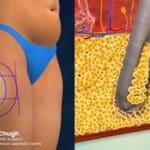
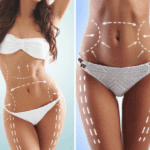
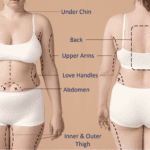
Liposuction permanently removes fat cells from specific parts of the body through small incisions using a thin tube called a cannula.
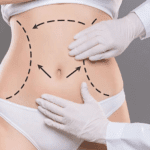
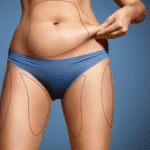
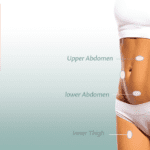
Common treatment areas include:
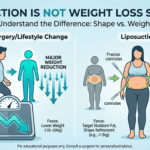
It is important to remember that liposuction is not a weight-loss procedure.
Instead, it is designed for people who have stubborn fat deposits that remain despite a healthy lifestyle.
How Modern Technology Has Improved Liposuction
Several innovations have made today’s liposuction surgery more predictable than before.
1. Tumescent Liposuction
One of the biggest advances in liposuction was the introduction of the tumescent technique.
Before fat removal, a special solution containing saline, local anaesthetic, and medication to reduce bleeding is injected into the treatment area.
This helps:
- Reduce bleeding
- Improve patient comfort
- Make fat easier to remove
- Reduce post-operative bruising
Today, this technique is considered the foundation of modern liposuction.
2. Power-Assisted Liposuction (PAL)
In Power-Assisted Liposuction, the cannula gently vibrates during surgery.
These small movements help loosen fat more efficiently, allowing it to be removed with less physical effort.
Potential advantages include:
- More precise fat removal
- Shorter operating time
- Reduced tissue trauma
- Better contouring in larger treatment areas
3. Ultrasound-Assisted Liposuction (UAL)
Ultrasound-Assisted Liposuction uses ultrasound energy to break down fat before it is removed.
This technology can be especially helpful in areas where fat is naturally firmer, such as:
- Male chest
- Upper back
- Previously treated areas
It allows fat to be removed more easily while helping preserve surrounding structures.
4. VASER Liposuction
One of the most recognised forms of Ultrasound-Assisted Liposuction is VASER Liposuction.
VASER technology selectively targets fat while minimising injury to nearby blood vessels, nerves, and connective tissue.
For suitable patients, this may provide:
- Improved body definition
- Smoother contours
- Better muscle highlighting
- Less bruising in some cases
It is particularly popular for patients interested in high-definition body contouring, although not everyone requires this technology.
Does Better Technology Always Mean Better Results?
This is one of the biggest misconceptions in cosmetic surgery.
Technology does not perform the operation.
The surgeon does.
Advanced devices can improve precision, but they cannot replace:
- Careful patient assessment
- Knowledge of anatomy
- Surgical judgment
- Artistic body contouring
Two surgeons using exactly the same technology may achieve very different results depending on their experience and technique.
Dr. Anmol’s Clinical Perspective
Patients often ask me,
“Doctor, which machine is the best?”
My answer is always the same.
The most important factor is not choosing the newest machine it is choosing the right technology for the right patient.
Some patients benefit greatly from VASER Liposuction, while others achieve excellent results with Power-Assisted Liposuction or traditional techniques.
Every body is different.
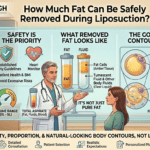
Good liposuction is not about removing as much fat as possible. It is about creating smooth, natural body proportions while maintaining safety throughout the procedure.
That is why every treatment plan should be personalised rather than based on technology alone.
What Is Recovery Like After Modern Liposuction?
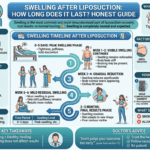
One advantage of modern liposuction technology is that it can reduce trauma to surrounding tissues, which may lead to a more comfortable recovery.
After surgery, most patients experience:
- Mild swelling
- Bruising
- Temporary soreness
- Tightness in the treated area
These effects gradually improve over the following weeks.
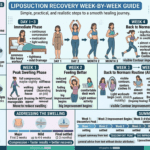
Most patients can return to desk work within 3–7 days, depending on the number of areas treated and the type of work they do.
To support healing, your surgeon may recommend:
- Wearing a compression garment for several weeks
- Walking regularly from the first day
- Drinking plenty of water
- Avoiding strenuous exercise for about 4–6 weeks
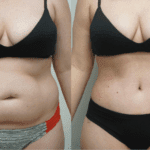
Final body contours continue to improve over the next 3–6 months as swelling settles and the skin adapts to its new shape.
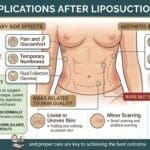
What Are the Risks?
Although liposuction is considered a safe procedure when performed by a qualified plastic surgeon, every operation carries potential risks.
Possible complications include:
- Bleeding
- Infection
- Temporary numbness
- Fluid collection (seroma)
- Contour irregularities
- Skin looseness in patients with poor skin elasticity
- Blood clots (rare)
Modern technology helps reduce some of these risks, but it cannot eliminate them completely.
This is why proper patient selection, surgical planning, and post-operative care remain just as important as the technology itself.
Who Should Avoid Liposuction?
Liposuction may not be the right choice if you:
- Are looking for a weight-loss procedure
- Have uncontrolled diabetes or serious medical conditions
- Have unrealistic expectations
- Are pregnant or breastfeeding
- Have severe obesity that would benefit more from medical weight management
- Have poor skin elasticity and expect skin tightening without additional procedures
A detailed consultation helps determine whether liposuction, skin tightening, or another procedure would provide the best outcome.
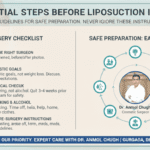
Safety Checklist Before Liposuction
Before scheduling liposuction surgery, make sure you:
✔ Have a stable body weight.
✔ Understand that liposuction is for body contouring, not weight loss.
✔ Share your complete medical history with your surgeon.
✔ Stop smoking if advised before surgery.
✔ Discuss all medications and supplements you are taking.
✔ Arrange time for recovery and follow-up appointments.
✔ Choose a qualified plastic surgeon with experience in body contouring procedures.
Good preparation contributes significantly to both safety and long-term results.
Frequently Asked Questions
1. Is VASER Liposuction better than traditional liposuction?
Not necessarily.
VASER Liposuction offers advantages in selected patients, particularly when detailed body contouring or treatment of fibrous areas is required. However, the best technique depends on your anatomy and treatment goals.
2. Does modern technology make liposuction safer?
Modern devices have improved precision and reduced tissue trauma, but patient safety still depends largely on careful surgical planning, proper technique, and appropriate post-operative care.
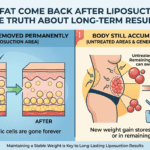
3. Is liposuction a permanent solution?
Yes, the fat cells removed during liposuction are permanently removed.
However, remaining fat cells can enlarge if significant weight is gained after surgery, so maintaining a healthy lifestyle is important.
4. Will modern technology tighten loose skin?
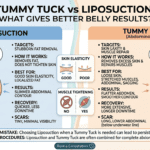
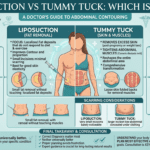
Some technologies may provide a small degree of skin contraction, but they cannot replace procedures such as a tummy tuck when there is significant loose skin.
5. How long does recovery usually take?
Most patients return to normal daily activities within one week, while more strenuous exercise is usually resumed after 4–6 weeks, depending on the surgeon’s advice and individual healing.
6. How do I know which liposuction technique is right for me?
The most appropriate technique depends on several factors, including:
- Treatment area
- Skin quality
- Amount of fat
- Previous surgeries
- Desired body contour
An experienced plastic surgeon will recommend the safest and most suitable approach after a detailed assessment.
Final Thoughts
Modern technology has transformed liposuction surgery, making it more precise, comfortable, and predictable than ever before. Techniques such as Tumescent Liposuction, Power-Assisted Liposuction (PAL), and VASER Liposuction have expanded the options available for body contouring.
However, successful liposuction is never about choosing the newest machine alone.
It is about selecting the right patient, the right technique, and the right surgical plan.
Technology supports the surgeon it does not replace surgical expertise.
If you are considering liposuction and are unsure which approach is most suitable for your body, a consultation with an experienced plastic surgeon can help you understand your options and choose a treatment plan that prioritises both safety and natural-looking results.
References
- American Society of Plastic Surgeons. Liposuction.
https://www.plasticsurgery.org/cosmetic-procedures/liposuction - American Society for Aesthetic Plastic Surgery (The Aesthetic Society). Liposuction Overview.
https://www.theaestheticsociety.org/procedures/body/liposuction - Plastic and Reconstructive Surgery. Rohrich RJ, Beran SJ, Fodor PB. The role of liposuction in modern body contouring. 2001;108(6):1608–1619.
https://doi.org/10.1097/00006534-200111000-00031 - Clinics in Plastic Surgery. Matarasso A, Levine SM. Evidence-based medicine: Liposuction. 2013;40(4):677–685.
https://doi.org/10.1016/j.cps.2013.07.001 - Aesthetic Surgery Journal. Jewell ML, Fodor PB, de Souza Pinto EB, et al. Clinical application of VASER-assisted lipoplasty. 2012;32(5):617–624.
https://doi.org/10.1177/1090820X12443010 - American Board of Cosmetic Surgery. Liposuction Procedure Guide.
https://www.americanboardcosmeticsurgery.org/procedure-learning-center/body/liposuction-guide/ - Plastic and Reconstructive Surgery. Illouz YG. Body contouring by lipolysis: A 30-year perspective. 2006;117(7):186e–197e.
https://doi.org/10.1097/01.prs.0000218184.62553.3f
Related Procedures
Medically Reviewed By
Dr. Anmol ChughQualifications: MBBS, MS, MCh (Plastic Surgery)
Experience: 16+ Years in Plastic & Aesthetic Surgery
Review Date: 06 Aug 2025
This article has been medically reviewed for accuracy and patient safety.