How Much Fat Can Be Safely Removed During Liposuction?
Liposuction is one of the most popular body contouring procedures worldwide. Many people considering liposuction often ask the same question:
“How much fat can actually be removed during a liposuction procedure?”
The answer is not as straightforward as many expect. While liposuction can significantly improve body contours and remove stubborn fat deposits, there are important safety limits that every patient should understand. Removing excessive amounts of fat in a single procedure can increase surgical risks and may compromise recovery and results.
In this article, we’ll explain how much fat can be safely removed during liposuction, what factors influence this limit, and what patients can realistically expect from the procedure.
Table of Contents
- Understanding the Goal of Liposuction
- What Does “Fat Removal” Actually Mean?
- Is There a Safe Limit for Liposuction?
- Why Can’t Unlimited Fat Be Removed?
- Factors That Determine How Much Fat Can Be Removed
- How Much Weight Will You Lose After Liposuction?
- Can Large-Volume Liposuction Be Performed?
- Is More Fat Removal Always Better?
- What Happens to the Fat Cells After Liposuction?
- Are There Alternatives if More Fat Needs to Be Removed?
- What Should Patients Focus on Instead of Liters Removed?
- Recovery After Liposuction
- Frequently Asked Questions
- Conclusion
Understanding the Goal of Liposuction
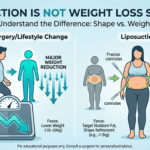
One of the biggest misconceptions about liposuction is that it is a weight-loss surgery.
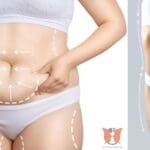
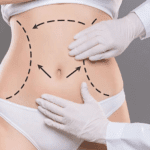
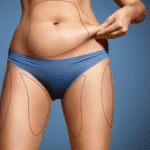
In reality, liposuction is a body contouring procedure designed to remove localized fat deposits that do not respond well to diet and exercise. It helps improve body shape and proportions rather than dramatically reduce body weight.
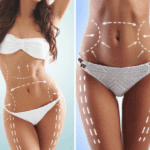
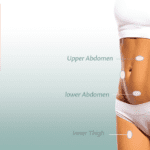
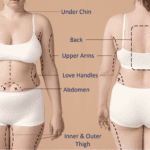
Common treatment areas include:
- Abdomen
- Flanks (love handles)
- Waist
- Back
- Thighs
- Arms
- Chin and neck
- Chest (in male patients with gynecomastia)
The primary objective is to create a more balanced and aesthetically pleasing contour while maintaining patient safety.
Also Read:
👉 Liposuction vs. Other Fat Removal Techniques
What Does “Fat Removal” Actually Mean?
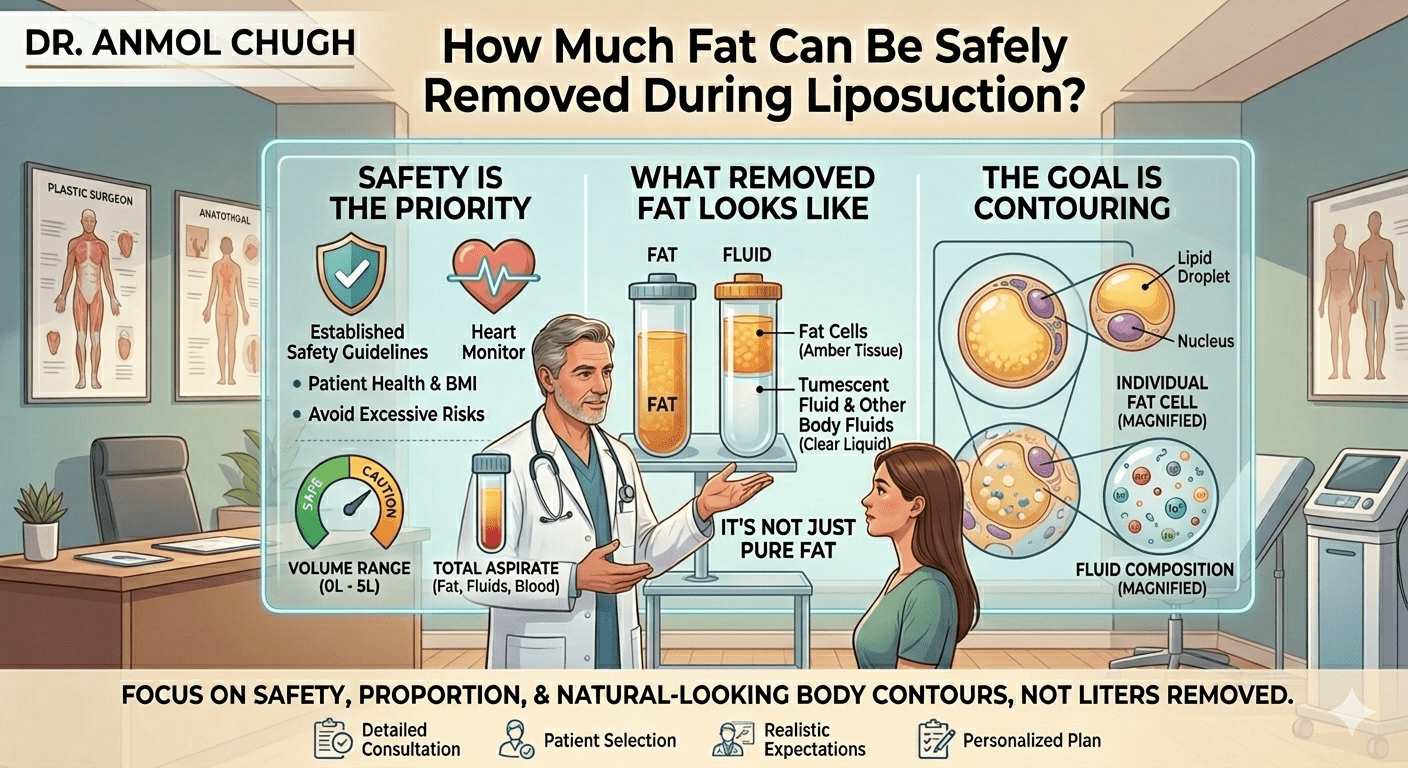
When discussing liposuction volumes, surgeons typically refer to the amount of aspirate removed during surgery.
Aspirate includes:
- Fat cells
- Tumescent fluid
- Blood
- Other body fluids
This means that the number reported after surgery is not purely fat. A portion of the removed volume consists of fluids used during the procedure.
Therefore, when patients hear that several liters were removed, it does not necessarily mean that the entire amount was fat tissue.
Is There a Safe Limit for Liposuction?
Yes.
Most experienced plastic surgeons follow established safety guidelines regarding the maximum amount of fat and fluid that can be removed during a single liposuction session.
In many cases, up to 5 liters of total aspirate is considered within the commonly accepted safety range for outpatient liposuction procedures.
However, this should not be interpreted as a universal rule.
The safe amount varies depending on:
- Patient’s body weight
- Overall health
- Body mass index (BMI)
- Number of treatment areas
- Quality of skin
- Surgical technique
- Operating facility
- Duration of surgery
For some patients, removing less than 5 liters may be appropriate, while for others, larger-volume liposuction may be performed under carefully monitored circumstances.
Why Can’t Unlimited Fat Be Removed?
Many patients assume that removing more fat automatically leads to better results.
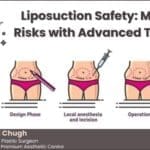
In reality, aggressive fat removal can create several problems, including:
Increased Risk of Blood Loss
Although modern liposuction techniques are much safer than older methods, excessive fat removal can increase blood loss and fluid shifts within the body.
Fluid Imbalance
The body’s fluid balance can be affected when large volumes are removed. Significant fluid shifts may increase the risk of complications and prolong recovery.
Irregular Body Contours
Over-aggressive liposuction can result in:
- Uneven contours
- Depressions
- Skin waviness
- Asymmetry
A skilled surgeon focuses on sculpting rather than simply removing the maximum possible amount of fat.
Longer Recovery
Removing excessive volumes may increase:
- Swelling
- Bruising
- Discomfort
- Recovery time
The safest and most natural-looking results often come from a balanced approach.
Factors That Determine How Much Fat Can Be Removed
- Patient’s BMI and Body Composition
Patients with higher body fat percentages may have larger fat deposits available for removal.
However, a higher BMI does not automatically mean that larger volumes should be removed.
Patient safety always remains the priority.
- Treatment Areas
The number and size of treatment areas play a major role.
For example:
- Chin liposuction typically removes small volumes.
- Abdomen and flanks may allow larger-volume removal.
- Circumferential body contouring may involve multiple areas during the same procedure.
The surgeon evaluates the overall surgical plan before determining safe removal limits.
- Skin Quality
Good skin elasticity helps the skin retract smoothly after fat removal.
Patients with poor skin elasticity may require a more conservative approach or additional skin-tightening procedures to achieve optimal results.
Also Read:
👉 Loose Skin After Weight Loss? Why Tummy Tuck May Be Necessary
- General Health
Patients with certain medical conditions may require modified surgical plans.
Factors considered include:
- Cardiovascular health
- Diabetes
- Smoking history
- Previous surgeries
- Medication use
A thorough preoperative evaluation helps determine whether a patient is a suitable candidate for liposuction.
- Surgeon’s Experience
Safe liposuction is not simply about removing fat.
It requires:
- Proper patient selection
- Surgical judgment
- Understanding anatomy
- Careful contouring techniques
An experienced surgeon focuses on achieving natural results while minimizing risk.
How Much Weight Will You Lose After Liposuction?
This is another common question.
The truth is that most patients are surprised by how little their weight changes after surgery.
Even when several liters of aspirate are removed, the number on the weighing scale may not change dramatically.
That’s because liposuction improves:
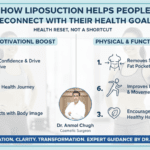
- Body shape
- Waistline definition
- Clothing fit
- Body proportions
Many patients report looking significantly slimmer despite only modest changes in body weight.
For this reason, success should be measured by contour improvement rather than kilograms lost.
Can Large-Volume Liposuction Be Performed?
In selected cases, surgeons may perform what is often referred to as large-volume liposuction.
This generally involves removing volumes beyond standard outpatient limits.
However, these procedures require:
- Careful patient selection
- Comprehensive medical evaluation
- Advanced monitoring
- Appropriate surgical facilities
- Experienced surgical teams
Large-volume liposuction is not suitable for every patient and should only be considered when the potential benefits outweigh the risks.
Is More Fat Removal Always Better?
Not necessarily.
In fact, some of the best liposuction results come from strategic fat removal rather than aggressive fat extraction.
The goal is to create:
- Smooth contours
- Natural transitions
- Balanced proportions
- Long-lasting results
Patients who focus solely on the amount of fat removed may overlook the more important factor—overall body contour improvement.
A beautifully sculpted result often depends more on artistic contouring than on the total volume removed.
What Happens to the Fat Cells After Liposuction?
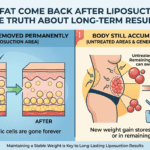
Liposuction permanently removes fat cells from treated areas.
Once these fat cells are removed, they do not grow back.
However, this does not mean patients can ignore lifestyle habits after surgery.
The remaining fat cells can still enlarge if significant weight gain occurs.
Maintaining results requires:
- Healthy eating habits
- Regular exercise
- Stable body weight
- Good hydration
Patients who maintain a healthy lifestyle often enjoy long-lasting results.
Are There Alternatives if More Fat Needs to Be Removed?
For patients seeking major weight reduction, liposuction may not be the ideal solution.
Depending on individual goals, alternatives may include:
Weight Loss Programs
Structured nutrition and fitness plans may help reduce overall body fat.
Medical Weight Management
Some patients benefit from physician-supervised weight loss strategies.
Bariatric Surgery
For individuals with severe obesity, bariatric procedures may be more appropriate than liposuction.
Staged Liposuction Procedures
In selected cases, multiple procedures performed at different times may be safer than attempting excessive fat removal during a single session.
A personalized consultation helps determine the most suitable approach.
What Should Patients Focus on Instead of Liters Removed?
Rather than asking:
“How many liters can you remove?”
A better question is:
“What amount can be safely removed while achieving the best contour?”
The most successful liposuction patients focus on:
- Safety
- Natural-looking results
- Improved proportions
- Long-term satisfaction
A conservative, well-planned procedure often delivers better outcomes than overly aggressive fat removal.
Recovery After Liposuction
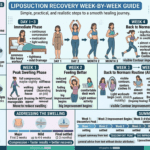
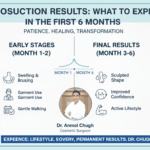
Recovery varies from patient to patient, but most individuals can expect:
First Few Days
- Mild soreness
- Swelling
- Bruising
- Compression garment use
First Few Weeks
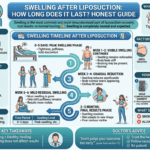
- Gradual reduction in swelling
- Improved mobility
- Visible contour changes
Several Months
- Continued refinement of results
- Skin contraction
- Final contour development
Patience is important, as final results may take several months to fully appear.
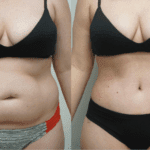
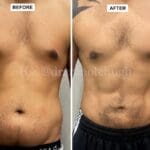
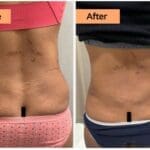
Actual patient results after 360° Liposuction performed by Dr. Anmol Chugh.
Results shown are patient-specific and may vary.
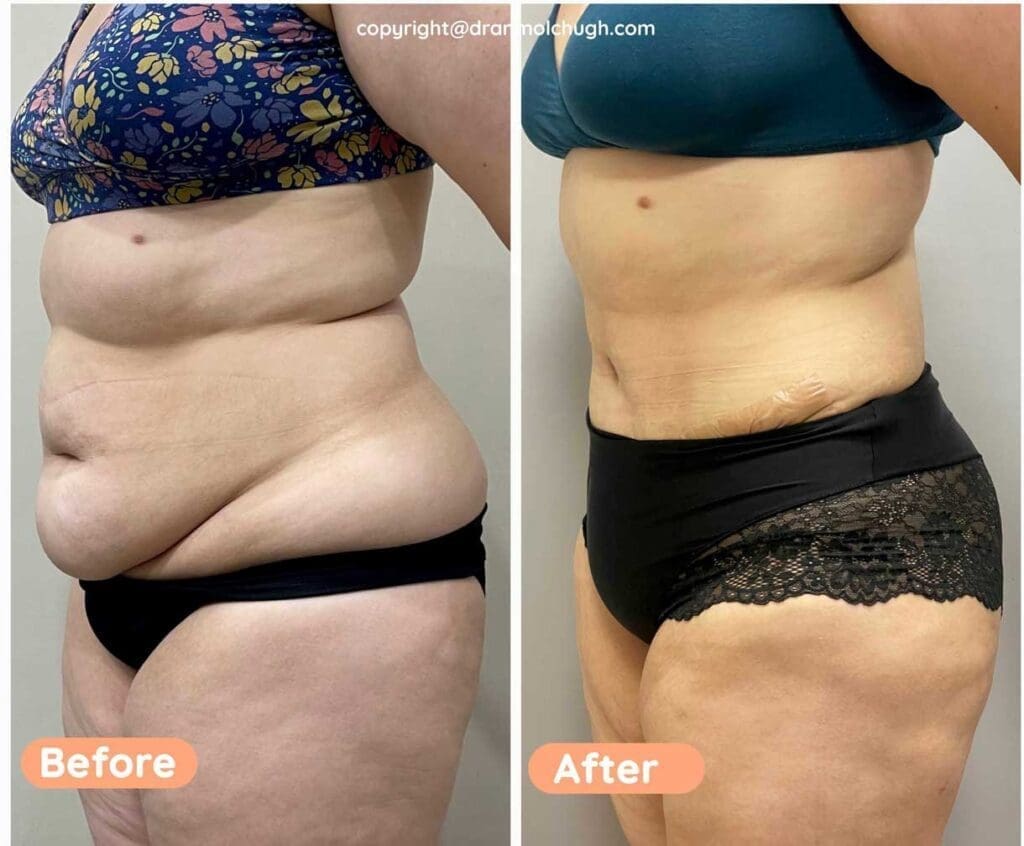
Explore more real patient outcomes in our Before & After Gallery.
Book a consultation to understand your personalized treatment plan.
You may also read:
👉 Liposuction Recovery Timeline: Week-by-Week Guide
Frequently Asked Questions
How many liters of fat can be safely removed during liposuction?
The safe amount varies from patient to patient. Many surgeons consider up to 5 liters of total aspirate within commonly accepted safety guidelines, but the appropriate volume depends on individual factors and surgical planning.
Does removing more fat produce better results?
Not always. Excessive fat removal can increase risks and may create contour irregularities. Balanced contouring often produces more natural and attractive outcomes.
Is liposuction a weight-loss procedure?
No. Liposuction is primarily a body contouring treatment designed to remove stubborn fat deposits and improve body shape.
Can fat come back after liposuction?
The removed fat cells are permanently eliminated. However, remaining fat cells can enlarge if significant weight gain occurs.
How long do liposuction results last?
Results can be long-lasting when patients maintain a stable weight through healthy diet and exercise habits.
Conclusion
The amount of fat that can be safely removed during liposuction depends on several factors, including body composition, treatment areas, overall health, and surgical planning. While many patients focus on the number of liters removed, experienced surgeons prioritize safety, proportion, and natural-looking body contours.
Liposuction is most effective when viewed as a body sculpting procedure rather than a weight-loss solution. The best outcomes are achieved through careful patient selection, realistic expectations, and a personalized treatment plan designed around individual goals.
If you are considering liposuction, a detailed consultation with a qualified plastic surgeon can help determine the safest and most effective approach for your body type and aesthetic objectives.
Medically Reviewed By
Dr. Anmol ChughQualifications: MBBS, MS, MCh (Plastic Surgery)
Experience: 16+ Years in Plastic & Aesthetic Surgery
Review Date: 27 May 2026
This article has been medically reviewed for accuracy and patient safety.