Can Gynecomastia Go Away Naturally Without Surgery?
Gynecomastia is a common condition that causes enlargement of male breast tissue. It can affect boys during puberty, adult men, and even older individuals. While gynecomastia is not usually a serious medical condition, it can have a significant impact on self-confidence, clothing choices, physical activities, and overall quality of life.
One of the most common questions men ask after noticing enlarged chest tissue is:
“Can gynecomastia go away naturally without surgery?”
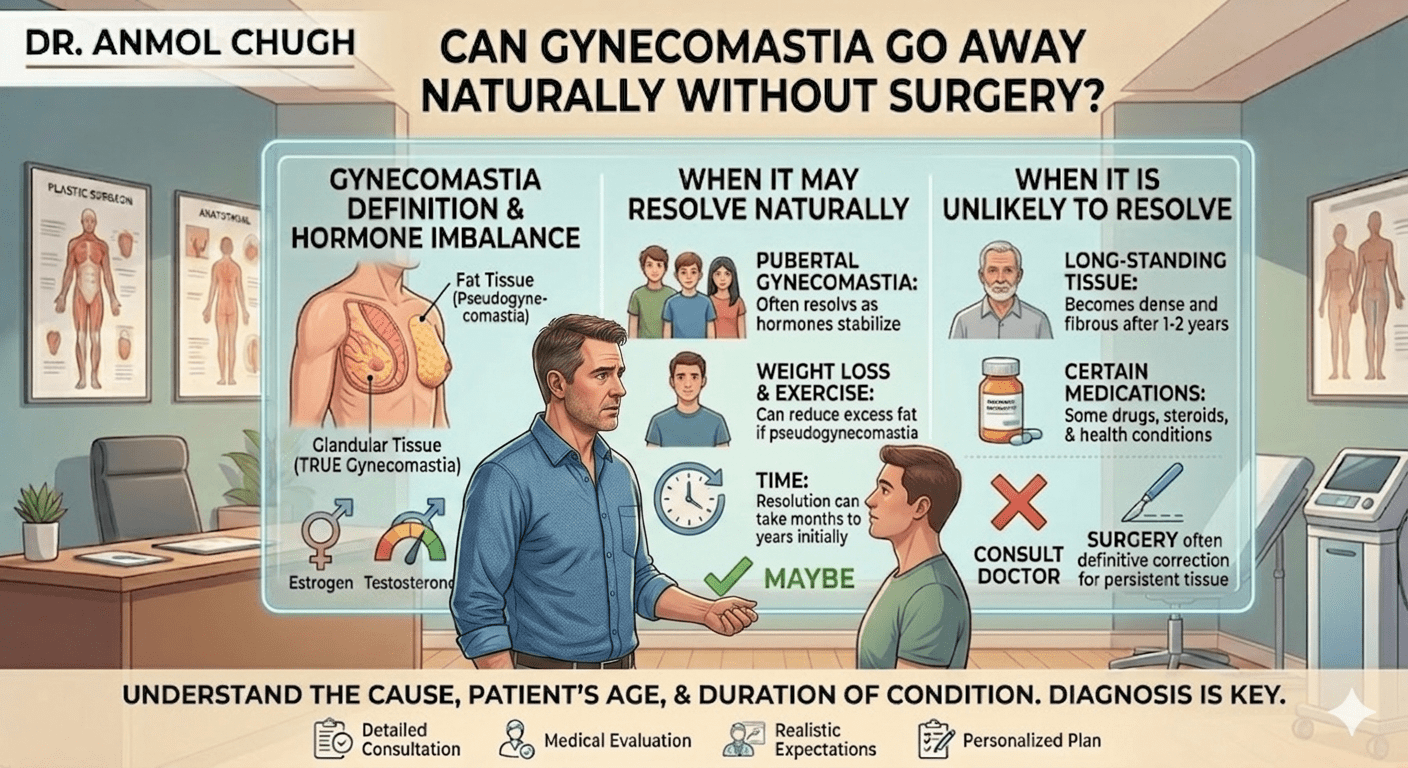
The answer depends on the cause of the gynecomastia, the patient’s age, and how long the condition has been present. In some cases, gynecomastia may improve on its own, while in others, it is unlikely to disappear without treatment.
This article explains when gynecomastia can resolve naturally, when medical evaluation is important, and when surgery may become the most effective solution.
Also Read:
👉 What Causes Gynecomastia in Men?
Table of Contents
- What Is Gynecomastia?
- Why Does Gynecomastia Occur?
- Can Gynecomastia Go Away on Its Own?
- Pubertal Gynecomastia Often Improves Naturally
- When Pubertal Gynecomastia Does Not Go Away
- Adult Gynecomastia Is Less Likely to Resolve Naturally
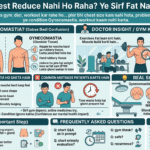
- Can Exercise Get Rid of Gynecomastia?
- Can Weight Loss Cure Gynecomastia?
- Can Supplements or Home Remedies Remove Gynecomastia?
- How Is Gynecomastia Diagnosed?
- When Is Surgery Considered?
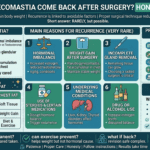
- Why Doesn’t Long-Standing Gynecomastia Go Away Naturally?
- What Are Realistic Expectations?
- Psychological Impact of Gynecomastia
- Frequently Asked Questions
- Conclusion
What Is Gynecomastia?
Gynecomastia refers to the enlargement of glandular breast tissue in males. It occurs due to an imbalance between the hormones estrogen and testosterone.
Although estrogen is commonly considered a female hormone, men naturally produce small amounts of it. When estrogen levels become relatively higher than testosterone levels, breast tissue can enlarge.
Gynecomastia may affect:
- One breast (unilateral gynecomastia)
- Both breasts (bilateral gynecomastia)
- Symmetrically or asymmetrically
Many men describe it as:
- Puffy nipples
- A firm lump beneath the nipple
- Enlarged chest appearance
- Feminized chest contour
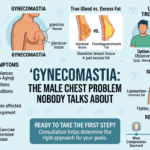
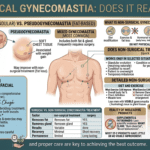
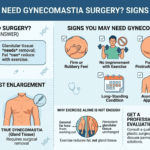
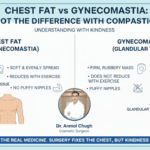
It is important to distinguish true gynecomastia from excess chest fat, often called pseudogynecomastia.
Also Read:
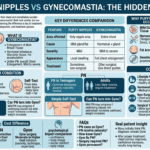
👉 Puffy Nipples vs Gynecomastia: What’s the Difference?
Why Does Gynecomastia Occur?
Several factors can contribute to the development of gynecomastia.
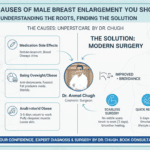
Puberty
Pubertal gynecomastia is one of the most common causes.
During adolescence, hormone levels fluctuate significantly. Temporary increases in estrogen activity may cause breast tissue enlargement.
This is a normal part of development for many teenage boys.
Aging
As men age, testosterone levels naturally decline. Changes in hormone balance can increase the likelihood of developing gynecomastia.
Weight Gain
Excess body fat can increase estrogen production and make the chest appear larger.
In some individuals, both glandular tissue and fat contribute to the appearance of gynecomastia.
Medications
Certain medications may trigger gynecomastia, including:
- Some blood pressure medications
- Certain antidepressants
- Anti-androgen medications
- Anabolic steroids
- Some prostate medications
Medical Conditions
Hormonal disorders, liver disease, kidney disease, thyroid disorders, and other medical conditions can sometimes contribute to breast tissue enlargement.
Can Gynecomastia Go Away on Its Own?
The answer is:
Sometimes, but not always.
Whether gynecomastia resolves naturally depends largely on the underlying cause and duration of the condition.
Let’s look at different situations.
Pubertal Gynecomastia Often Improves Naturally
When gynecomastia develops during puberty, there is a good chance it may improve without treatment.
Studies suggest that many cases of pubertal gynecomastia gradually resolve as hormone levels stabilize.
For many teenagers:
- The condition improves within several months.
- Some cases may take one to three years to resolve.
- Mild enlargement often disappears completely.
Because of this, immediate surgery is usually not recommended for newly developed pubertal gynecomastia unless there are unusual symptoms.
Regular observation may be all that is required initially.
When Pubertal Gynecomastia Does Not Go Away
While many adolescent cases improve naturally, not all do.
If enlarged breast tissue persists for several years after puberty, spontaneous resolution becomes less likely.
Long-standing glandular tissue tends to become more fibrous and permanent.
In these situations, waiting longer often does not produce significant changes.
Adult Gynecomastia Is Less Likely to Resolve Naturally
For adult men, natural resolution becomes less common.
Once true glandular breast tissue has been present for a prolonged period, it usually does not disappear on its own.
This is especially true when:
- The condition has existed for more than one year.
- A firm gland is present beneath the nipple.
- Hormonal imbalance has already stabilized.
- The tissue has become fibrotic.
Many adult patients hope that exercise or dietary changes will eliminate the enlarged tissue, but this is often not enough when true gynecomastia exists.
Also Read:
👉 Does Gynecomastia Surgery Remove the Gland Completely?
Can Exercise Get Rid of Gynecomastia?
Exercise offers many health benefits and may improve overall body composition.
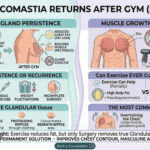
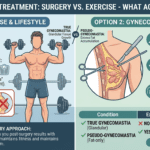
However, exercise cannot directly remove glandular breast tissue.
This is one of the most common misconceptions about gynecomastia.
What Exercise Can Do
Exercise may help:
- Reduce overall body fat
- Improve chest muscle tone
- Enhance body proportions
- Improve self-confidence
What Exercise Cannot Do
Exercise cannot eliminate established glandular tissue beneath the nipple.
As a result, some men become frustrated when they lose weight, build muscle, and still notice puffy nipples or breast enlargement.
In such cases, persistent glandular tissue may be the reason.
Can Weight Loss Cure Gynecomastia?
The answer depends on what is causing the chest enlargement.
If Excess Fat Is the Main Problem
Weight loss may significantly improve chest appearance.
Some men have pseudogynecomastia, where excess fat rather than glandular tissue causes the enlarged chest.
In these individuals, weight reduction can produce noticeable improvement.
If True Gynecomastia Is Present
Weight loss may reduce surrounding fat but often does not remove the gland itself.
Many patients report:
“I lost weight everywhere else, but my chest still looks the same.”
This is a common experience when glandular tissue remains.
Can Supplements or Home Remedies Remove Gynecomastia?
Many products marketed online claim to reduce male breast enlargement naturally.
These may include:
- Herbal supplements
- Hormone boosters
- Fat-burning products
- Topical creams
Unfortunately, there is limited scientific evidence showing that these products can eliminate established glandular gynecomastia.
Patients should be cautious about products that promise dramatic results without medical evaluation.
A proper diagnosis is always more valuable than relying on unproven remedies.
How Is Gynecomastia Diagnosed?
Diagnosis usually begins with a thorough medical evaluation.
Medical History
Your doctor may ask about:
- Duration of symptoms
- Medications
- Weight changes
- Hormonal history
- Family history
Physical Examination
The chest is examined to determine whether enlargement is due to:
- Glandular tissue
- Fat tissue
- A combination of both
Additional Tests
In selected cases, additional investigations may be recommended, including:
- Blood tests
- Hormonal evaluation
- Ultrasound imaging
- Other diagnostic studies
These tests help identify potential underlying causes.
When Is Surgery Considered?
Surgery is generally considered when:
- Gynecomastia has persisted for a long time.
- The glandular tissue is unlikely to regress naturally.
- Exercise and weight loss have not improved the appearance.
- The condition affects confidence or quality of life.
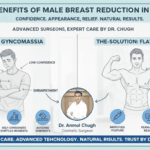
- The patient desires a flatter, more masculine chest contour.
For many men with long-standing gynecomastia, surgery provides the most predictable and definitive correction.
Also Read:
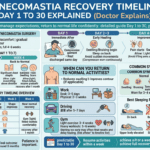
👉 What Is the Recovery Time for Gynecomastia Surgery?
Why Doesn’t Long-Standing Gynecomastia Go Away Naturally?
In the early stages, breast tissue enlargement may be influenced primarily by hormonal stimulation.
Over time, however, the tissue can become denser and more fibrous.
Once this happens:
- Natural regression becomes less likely.
- Weight loss alone often does not help.
- Exercise cannot remove the gland.
This explains why some men continue to notice enlarged breast tissue years after puberty has ended.
What Are Realistic Expectations?
If gynecomastia is recent and related to temporary hormonal changes, there is a possibility that it may improve naturally.
However, if the condition has been present for years, realistic expectations become important.
Many patients spend years trying:
- Chest workouts
- Diet programs
- Supplements
- Compression garments
Only to discover that persistent glandular tissue remains unchanged.
Understanding the nature of the condition helps patients make informed decisions about treatment options.
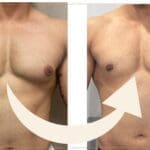
Real patient results after Gynecomastia surgery performed by Dr. Anmol Chugh.
Results shown are patient-specific and may vary.
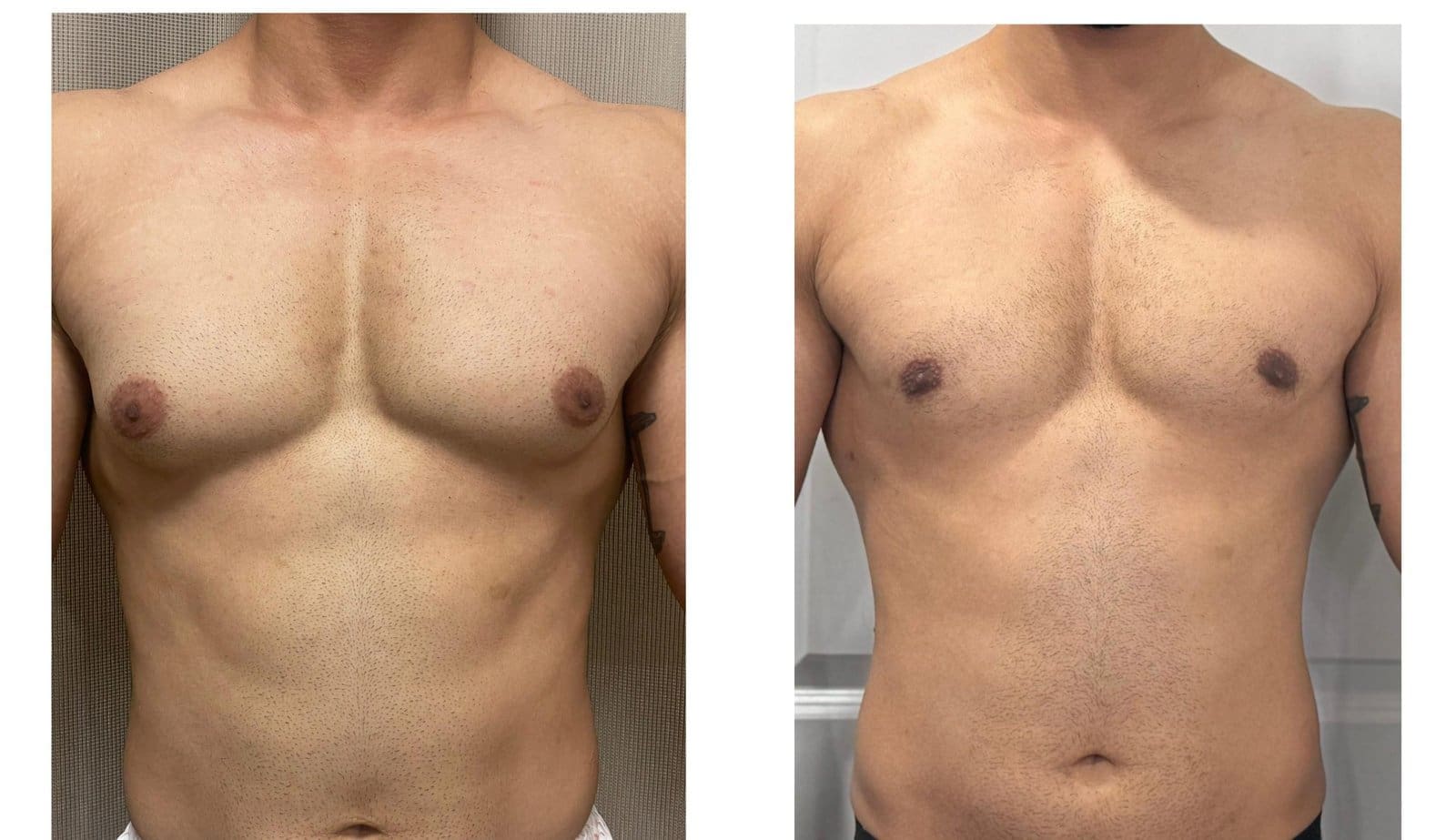
Explore more our real gynecomastia patient results in our Before & After Gallery.
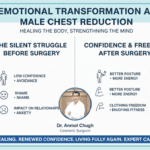
Psychological Impact of Gynecomastia
The effects of gynecomastia often extend beyond physical appearance.
Many men report:
- Avoiding fitted clothing
- Avoiding swimming pools or beaches
- Feeling self-conscious in social situations
- Reduced confidence during exercise
- Embarrassment about removing their shirt
These emotional concerns are valid and can significantly affect daily life.
Seeking professional evaluation can help clarify available treatment options and provide reassurance.
Frequently Asked Questions
Can gynecomastia disappear naturally?
Yes, in some cases, particularly those occurring during puberty, may resolve naturally as hormone levels stabilize.
How long should I wait before considering treatment?
This depends on age, symptoms, and the duration of the condition. Persistent enlargement lasting several years is less likely to resolve spontaneously.
Can exercise remove glandular gynecomastia?
No. Exercise can reduce body fat and improve muscle tone, but it cannot eliminate established glandular breast tissue.
Will weight loss get rid of gynecomastia?
Weight loss may help if excess fat is the primary cause. However, true glandular gynecomastia often persists despite weight reduction.
Are supplements effective for gynecomastia?
There is limited scientific evidence that supplements can remove established glandular tissue.
Is surgery the only permanent solution for long-standing gynecomastia?
For many patients with persistent glandular tissue, surgery is often the most definitive treatment option.
Conclusion
Whether gynecomastia can go away naturally depends largely on its cause and duration. Pubertal gynecomastia often improves as hormone levels stabilize, but long-standing gynecomastia in adults is generally less likely to resolve without treatment.
While healthy lifestyle changes, exercise, and weight management can improve overall body composition, they may not eliminate established glandular breast tissue. Understanding the difference between temporary breast enlargement and persistent gynecomastia is essential when evaluating treatment options.
If you have concerns about chest enlargement, a professional assessment can help determine the underlying cause and guide you toward the most appropriate management plan based on your individual circumstances.
Medically Reviewed By
Dr. Anmol ChughQualifications: MBBS, MS, MCh (Plastic Surgery)
Experience: 16+ Years in Plastic & Aesthetic Surgery
Review Date: 28 May 2026
This article has been medically reviewed for accuracy and patient safety.