Gym After Gynecomastia Surgery: When Is It Safe?
Gynecomastia surgery is a transformative procedure for men dealing with enlarged chest tissue, offering both physical improvement and a significant boost in confidence. However, one of the most common concerns after surgery is when it is safe to return to the gym.
For many patients, fitness is an important part of their lifestyle, and taking a break from workouts can feel frustrating. At the same time, rushing back too soon can compromise healing and affect final results.
Understanding the correct timeline for resuming physical activity is essential to ensure both safety and optimal outcomes. This article provides a medically accurate, practical guide based on clinical experience from Dr. Anmol Chugh, who emphasizes structured recovery for long-lasting results.
Gym After Gynecomastia Surgery (Quick Answer)
Light activity can usually begin within 1–2 weeks, while intense workouts and chest exercises should be avoided for 4–6 weeks or more, depending on individual healing.
Why You Need to Pause Gym After Surgery
After gynecomastia surgery, the body requires time to heal internally and externally.
The procedure involves the removal of glandular tissue and sometimes fat, which creates a healing phase where tissues need to settle properly. Engaging in intense physical activity too early can increase swelling, disrupt healing, or even lead to complications such as bleeding or fluid accumulation.
In clinical practice, Dr. Anmol Chugh advises patients to prioritize healing over early activity to protect their results.
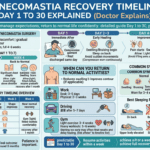
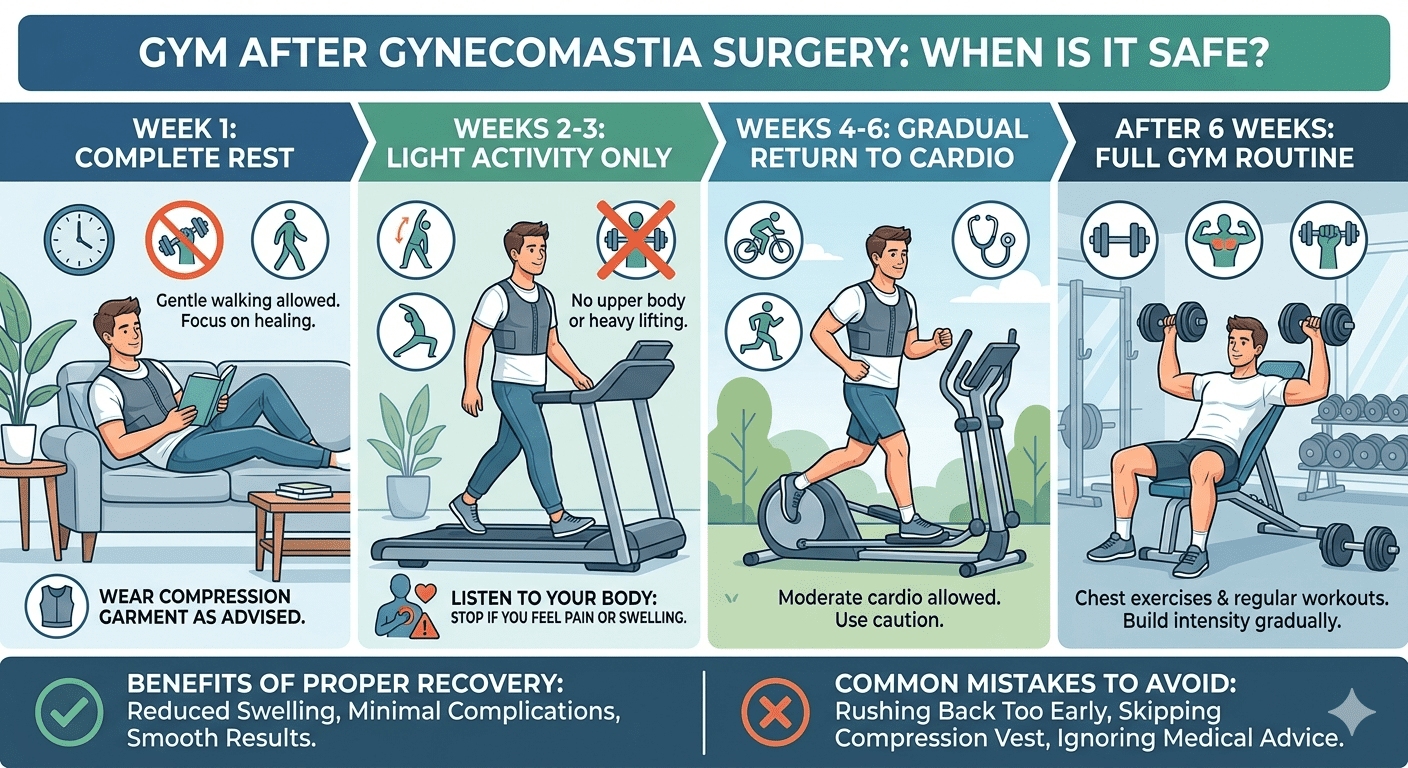
The First Week: Complete Rest and Gentle Movement
During the first week, the focus should be on rest and basic recovery.
Patients are encouraged to perform light walking to maintain circulation, but any form of exercise or strain should be strictly avoided. Movements involving the chest, arms, or upper body should be minimal to prevent stress on the surgical area.
This phase is crucial for reducing swelling and allowing the initial healing process to begin.
Weeks 2–3: Light Activity Only
As the body begins to recover, patients may gradually resume light activities.
Walking and mild lower-body movements can be introduced, but upper-body workouts and heavy lifting should still be avoided. At this stage, the tissues are still healing, and excessive strain can delay recovery.
Listening to your body and following medical advice is essential during this phase.
Weeks 4–6: Gradual Return to Exercise
Between four to six weeks, many patients can begin reintroducing moderate exercise.
Cardio activities such as cycling or light jogging may be allowed, depending on recovery progress. However, chest workouts, push-ups, and weightlifting should be approached cautiously and only after medical clearance.
According to Dr. Anmol Chugh, gradual progression is key to avoiding setbacks.
After 6 Weeks: Full Gym Routine
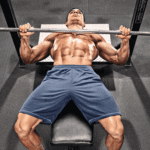
After six weeks, most patients can return to their regular gym routine, including chest exercises.
At this stage, healing is significantly advanced, and the risk of complications is much lower. However, it is still important to increase intensity gradually rather than jumping back into heavy workouts immediately.
Proper technique and controlled movements help maintain results and prevent strain.
Also read: Exercise and Recovery After Gynecomastia Surgery
Why Rushing Back Can Be Harmful
Returning to the gym too early is one of the most common mistakes patients make.
Early intense activity can lead to:
- Increased swelling
- Bleeding or hematoma
- Delayed healing
- Compromised final contour
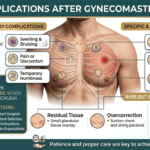
These complications can affect both recovery time and aesthetic results.
The Role of Compression Garments
Compression garments play an important role during recovery.
They help reduce swelling, support tissues, and improve contour. Wearing them as advised, even when resuming light activity, ensures better healing and more consistent results.
Listening to Your Body
Every patient heals differently, and recovery timelines may vary.
While general guidelines provide a framework, individual progress should always be considered. Pain, discomfort, or swelling are signs that the body needs more time.
In clinical experience, Dr. Anmol Chugh emphasizes personalized recovery plans based on each patient’s condition.
Benefits of Proper Recovery
Allowing adequate recovery time offers several advantages.
It ensures better healing, reduces the risk of complications, and helps achieve smoother, more natural-looking results. Patients who follow recovery guidelines often experience more predictable and satisfying outcomes.
Common Mistakes to Avoid
Many patients unintentionally delay their recovery by making avoidable mistakes.
These include:
- Returning to the gym too early
- Skipping compression garments
- Ignoring post-operative instructions
- Overestimating physical readiness
👉 Avoiding these mistakes helps protect your results.
Long-Term Fitness After Surgery
Once fully healed, patients can return to all forms of exercise without restriction.
In fact, maintaining a healthy and active lifestyle enhances and preserves the results of gynecomastia surgery. Strength training and overall fitness contribute to a more defined and balanced chest contour.
Conclusion
Returning to the gym after gynecomastia surgery requires patience, discipline, and proper guidance.
While light activity can begin early, intense workouts and chest exercises should only be resumed after adequate healing. Rushing the process can compromise both safety and results.
By following a structured recovery plan and expert guidance from Dr. Anmol Chugh, patients can safely return to their fitness routine while preserving the benefits of their surgery.
Book a Consultation
If you have recently undergone gynecomastia surgery or are planning the procedure and want clarity on recovery and fitness timelines, a personalized consultation can help.
You will be able to:
- Understand your recovery stage
- Plan your return to the gym safely
- Maximize your final results
👉 Book your consultation with Dr. Anmol Chugh today and take the next step toward a confident and healthy lifestyle.
Medically Reviewed By
Dr. Anmol ChughQualifications: MBBS, MS, MCh (Plastic Surgery)
Experience: 16+ Years in Plastic & Aesthetic Surgery
Review Date: 13 Apr 2026
This article has been medically reviewed for accuracy and patient safety.