Puffy Nipples vs Gynecomastia: What’s the Difference?
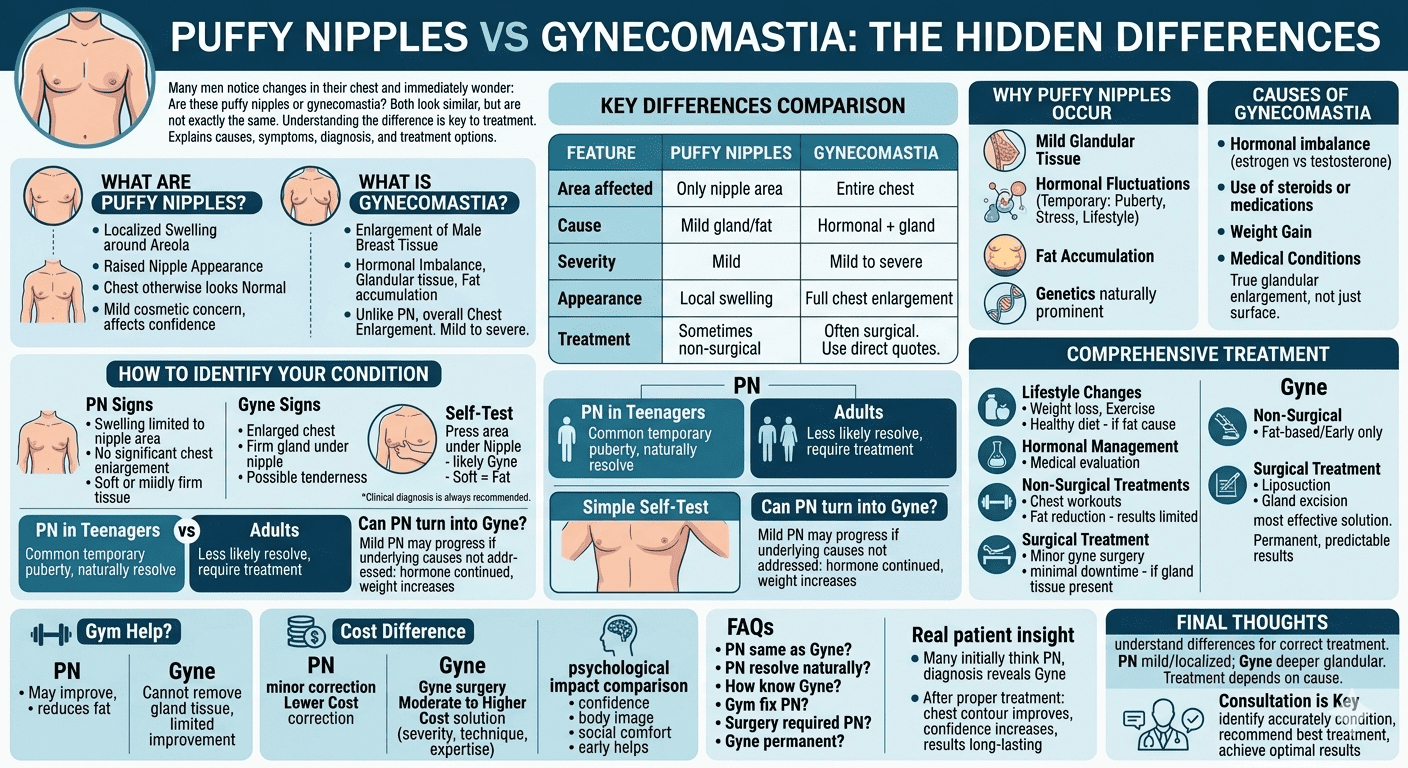
Many men notice changes in their chest and immediately wonder:
“Are these puffy nipples or gynecomastia?”
At first glance, both conditions can look similar. However, they are not exactly the same. Understanding the difference between puffy nipples vs gynecomastia is essential for choosing the right treatment.
In this detailed guide, we explain causes, symptoms, diagnosis, and treatment options so you can clearly identify your condition.
What Are Puffy Nipples?
Puffy nipples refer to a condition where the nipple area appears swollen or protruded.
Key Features:
- Localized swelling around the areola
- Nipples look raised or “puffy”
- Chest may otherwise look normal
This is often a mild cosmetic concern but can affect confidence.
What is Gynecomastia?
Gynecomastia is the enlargement of male breast tissue due to:
- Hormonal imbalance
- Glandular tissue growth
- Fat accumulation
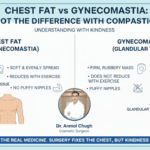
Unlike puffy nipples, gynecomastia involves overall chest enlargement, not just the nipple area.
Puffy Nipples vs Gynecomastia: Key Differences
Understanding the distinction helps avoid confusion.
| Feature | Puffy Nipples | Gynecomastia |
| Area affected | Only nipple area | Entire chest |
| Cause | Mild gland/fat | Hormonal + gland |
| Severity | Mild | Mild to severe |
| Appearance | Local swelling | Full chest enlargement |
| Treatment | Sometimes non-surgical | Often surgical |
Why Puffy Nipples Occur
Several factors can cause puffy nipples in men:
Mild Glandular Tissue
A small amount of gland tissue can push the nipple outward.
Hormonal Fluctuations
Temporary hormonal changes during:
- Puberty
- Stress
- Lifestyle changes
Fat Accumulation
Increased body fat can make the nipple area look prominent.
Genetics
Some men naturally have more prominent nipples.
Causes of Gynecomastia
The causes of gynecomastia in men are more complex:
- Hormonal imbalance (estrogen vs testosterone)
- Use of steroids or medications
- Weight gain
- Medical conditions
This leads to true glandular enlargement, not just surface swelling.
How to Identify Your Condition
It is important to correctly identify whether you have puffy nipples or gynecomastia.
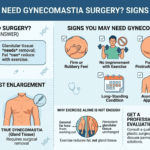
Signs of Puffy Nipples
- Swelling is limited to the nipple area
- No significant chest enlargement
- Soft or mildly firm tissue
Signs of Gynecomastia
- Enlarged chest
- Firm gland under the nipple
- Possible tenderness
Simple Self-Test
You can try this basic check:
- Press the area under the nipple
- If you feel a firm lump → likely gynecomastia
- If it feels soft → may be fat-related
👉 However, a clinical diagnosis is always recommended.
Puffy Nipples in Teenagers vs Adults
In Teenagers
- Common during puberty
- Often temporary
- May resolve naturally
In Adults
- Less likely to resolve on its own
- Often requires treatment
Can Puffy Nipples Turn into Gynecomastia?
In some cases:
👉 Mild puffy nipples may progress if underlying causes are not addressed.
This is especially true when:
- Hormonal imbalance continues
- Weight increases
Treatment Options for Puffy Nipples
Treatment depends on the cause.
Lifestyle Changes
- Weight loss
- Regular exercise
- Healthy diet
This helps if fat is the main cause.
Hormonal Management
If hormones are involved, a medical evaluation is required.
Non-Surgical Treatments
In mild cases:
- Chest workouts
- Fat reduction
However, results may be limited.
Surgical Treatment
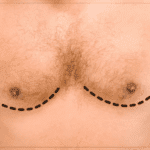
If gland tissue is present:
👉 Minor gynecomastia surgery may be required.
This includes:
- Small gland removal
- Minimal downtime
Treatment Options for Gynecomastia
Non-Surgical Approach
Only effective if:
- Fat-based enlargement
- Early-stage condition
Surgical Treatment
The most effective solution:
- Liposuction
- Gland excision
👉 Surgery provides permanent and predictable results.
Cost Difference Between Puffy Nipples and Gynecomastia Treatment
- Puffy nipples (minor correction): Lower cost
- Gynecomastia surgery: Moderate to higher cost
The cost depends on:
- Severity
- Technique used
- Surgeon expertise
Common Mistakes Patients Make
Avoid these:
- Ignoring early symptoms
- Assuming gym will fix glandular tissue
- Delaying proper diagnosis
- Choosing treatment based on cost alone
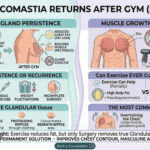
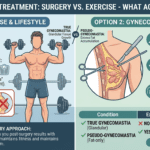
Does Gym Help in Puffy Nipples or Gynecomastia?
Exercise can help in some cases.
For Puffy Nipples
- May improve appearance
- Reduces fat
For Gynecomastia
- Cannot remove gland tissue
- Limited improvement
Psychological Impact
Both conditions can affect:
- Confidence
- Body image
- Social comfort
Early treatment helps improve quality of life.
When Should You See a Doctor?
Consult a specialist if:
- Chest enlargement persists
- Pain or tenderness is present
- Condition affects confidence
Early evaluation ensures correct treatment.
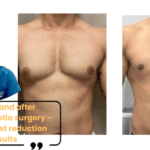
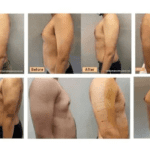
Real Patient Insight
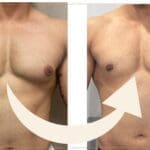
Many patients initially think they have puffy nipples, but diagnosis reveals gynecomastia.
After proper treatment:
- Chest contour improves
- Confidence increases
- Results are long-lasting
FAQs – Puffy Nipples vs Gynecomastia
Are puffy nipples the same as gynecomastia?
No, puffy nipples are a mild form affecting only the nipple area, while gynecomastia involves full chest enlargement.
Can puffy nipples go away naturally?
Yes, especially in teenagers or mild cases.
How do I know if I have gynecomastia?
A firm gland under the nipple and chest enlargement are common signs.
Can exercise fix puffy nipples?
It may help reduce fat but not gland tissue.
Is surgery required for puffy nipples?
Only if glandular tissue is present or the condition persists.
Is gynecomastia permanent?
It can persist without treatment, especially if glandular.
Final Thoughts
Understanding the difference between puffy nipples vs gynecomastia is essential for proper treatment.
- Puffy nipples are usually mild and localized
- Gynecomastia involves deeper glandular enlargement
- Treatment depends on the underlying cause
Consultation is Key
Every patient is unique. A proper consultation helps:
- Identify your condition accurately
- Recommend the best treatment
- Achieve optimal results
Medically Reviewed By
Dr. Anmol ChughQualifications: MBBS, MS, MCh (Plastic Surgery)
Experience: 16+ Years in Plastic & Aesthetic Surgery
Review Date: 01 Apr 2026
This article has been medically reviewed for accuracy and patient safety.