What Is Gyno in Men? Symptoms, Diagnosis, and Treatment Options

Many men spend years trying to hide their chest.
They avoid fitted T-shirts, swimming pools, gym changing rooms, and even family photographs because they feel uncomfortable about the appearance of their chest.
One of the most common things I hear during consultation is:
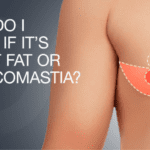
“Doctor, I exercise regularly, but my chest still looks enlarged. Is it fat or gynecomastia?”
The answer is not always obvious.
Many men assume they simply have excess chest fat, but in reality, they may have gynecomastia, a condition that causes enlargement of male breast tissue.
The good news is that gynecomastia is common, treatable, and far more common than most men realize.
Table of Contents
- What Is Gynecomastia (Gyno)?
- How Common Is Gynecomastia?
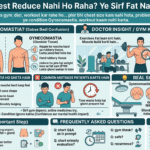
- Gynecomastia vs Chest Fat: What Is the Difference?
- Symptoms of Gynecomastia
- What Causes Gynecomastia?
- What I Commonly See in My Practice
- How Is Gynecomastia Diagnosed?
- When Can Gynecomastia Go Away on Its Own?
- Treatment Options for Gynecomastia
- Recovery Protocol Followed at Our Centre
- Who Should Not Undergo Gynecomastia Surgery Right Now?
- Safety Checklist Before Surgery
- Risks and Possible Complications
- Gynecomastia Treatment in Gurgaon and Delhi NCR
- Frequently Asked Questions
Quick Facts About Gynecomastia
- Gynecomastia is the enlargement of male breast gland tissue.
- It affects up to 60–70% of adolescent boys during puberty.
- Exercise cannot remove established gland tissue.
- Many men have a combination of fat and gland tissue.
- Surgery remains the most predictable treatment for persistent gynecomastia.
- Modern techniques often combine gland removal with liposuction.
What Is Gynecomastia (Gyno)?
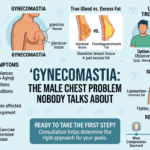
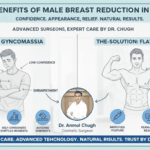
Gynecomastia is the enlargement of male breast gland tissue.
It occurs when there is an imbalance between hormones that influence breast tissue growth.
Unlike simple chest fat, gynecomastia involves actual glandular tissue beneath the nipple and areola.
This distinction is important because gland tissue usually does not disappear with exercise or weight loss.
How Common Is Gynecomastia?
Gynecomastia is more common than many people think.
Studies suggest:
- Up to 60–70% of adolescent boys may experience temporary gynecomastia during puberty.
- Around 30–65% of adult men may experience some degree of gynecomastia during their lifetime.
- It can occur at almost any age.
Many cases improve naturally, while others persist for years.
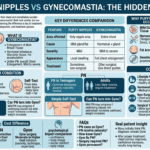
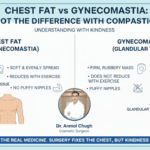
Gynecomastia vs Chest Fat: What Is the Difference?
One of the biggest misconceptions is that every enlarged male chest is gynecomastia.
In reality, there are two different conditions.
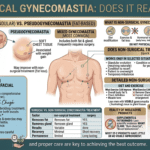
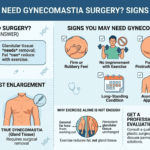
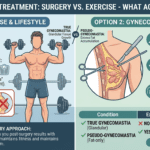
Gynecomastia
Caused by enlargement of gland tissue.
Typical features include:
- Firm tissue beneath the nipple
- Puffy nipples
- Rounded chest appearance
- Chest enlargement despite exercise
Pseudogynecomastia
Caused primarily by fat accumulation.
Usually associated with:
- Weight gain
- Obesity
- General body fat increase
Some men have a combination of both fat and gland tissue.
This is why proper evaluation is important before deciding on treatment.
Also Read: What is the difference between Gynecomastia and PseudoGynecomastia?
Symptoms of Gynecomastia
Common symptoms include:
Enlarged Chest
This is usually the first thing patients notice.
The enlargement may affect:
- One side
- Both sides
- Unevenly
Puffy Nipples
Many men notice protruding or puffy nipples, particularly when wearing fitted clothing.
Firm Tissue Under the Nipple
A firm rubbery disc beneath the nipple is often present.
Chest Tenderness
Some patients experience:
- Mild pain
- Sensitivity
- Tenderness
This is more common when gynecomastia is actively developing.
Emotional Impact
Many men report:
- Embarrassment
- Reduced confidence
- Avoidance of social situations
- Anxiety about body image
The emotional effects are often underestimated but can be significant.
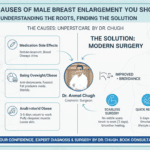
What Causes Gynecomastia?
Hormonal Changes
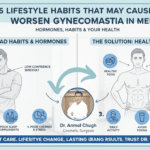
The most common cause of gynaecomastia is an imbalance between testosterone and estrogen.
Although men naturally produce small amounts of estrogen, changes in hormone balance can stimulate breast tissue growth.
Puberty
Pubertal gynecomastia is extremely common.
In many cases, it resolves naturally within 6 months to 2 years.
Aging
Testosterone levels naturally decline with age.
This can increase the likelihood of gynecomastia in older men.
Weight Gain
Excess body fat can increase estrogen production and contribute to chest enlargement.
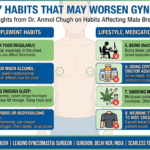
Certain Medications
Some medications may contribute to gynecomastia, including:
- Certain anti-androgens
- Some antidepressants
- Certain blood pressure medications
- Anabolic steroids
Medical Conditions
Less commonly, gynecomastia may be associated with:
- Liver disease
- Kidney disease
- Thyroid disorders
- Testicular conditions
Also Read: What Causes Gynecomastia?
What I Commonly See in My Practice
One of the biggest mistakes patients make is assuming that more gym workouts will solve every case of gynecomastia.
Many men spend years doing:
- Heavy chest workouts
- Push-ups
- Strict diets
- Weight-loss programs
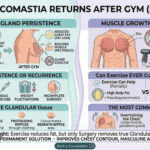
While these strategies improve overall fitness, they do not remove glandular tissue.
In fact, some men become leaner and more muscular, making the enlarged gland beneath the nipple appear even more noticeable.
This is why identifying whether the problem is fat, gland tissue, or a combination of both is so important.
How Is Gynecomastia Diagnosed?
Diagnosis usually begins with:
Medical History
This includes discussion of:
- Symptoms
- Duration
- Medications
- Weight changes
- Medical conditions
Physical Examination
A physical examination helps determine whether enlargement is caused by:
- Fat
- Gland tissue
- Both
Additional Testing
In selected cases, investigations may include:
- Blood tests
- Hormone evaluation
- Ultrasound imaging
Most patients do not require extensive testing, but evaluation depends on the individual situation.
When Can Gynecomastia Go Away on Its Own?
Some cases improve naturally.
This is particularly true in:
- Adolescents during puberty
- Men with temporary hormonal fluctuations
However, gynecomastia that has been present for several years is less likely to resolve without treatment.
Treatment Options for Gynecomastia
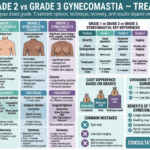
Treatment depends on the cause and severity.
Observation
For recent-onset or pubertal gynecomastia, monitoring may be appropriate.
Lifestyle Changes
When excess fat contributes to chest enlargement:
- Weight loss
- Exercise
- Improved nutrition
May improve chest appearance.
However, lifestyle changes cannot remove established gland tissue.
Medical Treatment
In carefully selected patients with hormonal causes, medications may be considered.
These are generally most effective when started early.
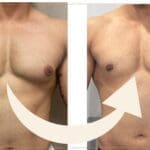
Gynecomastia Surgery
For persistent gynecomastia surgery remains the most predictable treatment.
Modern surgery often involves:
- Gland removal
- Liposuction
- Chest contouring
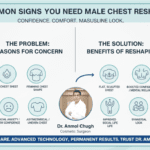
The goal is a flatter, more masculine chest shape.
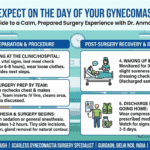
Recovery Protocol Followed at Our Centre
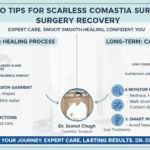
Recovery is usually straightforward when patients follow instructions carefully.
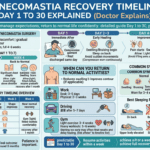
First Few Days
Patients may experience:
- Mild swelling
- Tightness
- Bruising
These symptoms are expected and typically improve gradually.
Compression Garment
A compression garment is typically worn to:
- Reduce swelling
- Support healing
- Improve contour
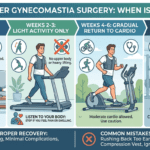
Return to Work
Many patients return to desk-based work within a few days.
Exercise
Light activity begins early, while heavy workouts are usually resumed gradually according to recovery progress.
Also Read: Gynecomastia Recovery Timeline: Day 1 to 30 Explained
Who Should Not Undergo Gynecomastia Surgery Right Now?
Surgery may need to be postponed if:
- Weight is still changing significantly.
- Hormonal causes have not been evaluated.
- Certain medical conditions are uncontrolled.
- Expectations are unrealistic.
Careful patient selection improves outcomes and safety.
Safety Checklist Before Surgery
- ✓ Stable body weight
- ✓ Complete medical evaluation
- ✓ No active medical issues affecting healing
- ✓ Stop smoking at least 4 weeks before and after surgery
- ✓ Follow all pre-operative instructions
- ✓ Understand risks and recovery requirements
Risks and Possible Complications
Every surgery carries risks.
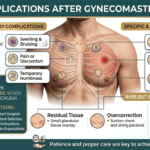
Potential complications include:
- Bleeding
- Infection
- Seroma
- Asymmetry
- Contour irregularities
- Scarring
- Temporary changes in nipple sensation
- Need for revision surgery
Patients should always have a clear understanding of both benefits and risks before proceeding.
Gynecomastia Treatment in Gurgaon and Delhi NCR
Men seeking gynecomastia treatment in Gurgaon and Delhi NCR often assume their enlarged chest is simply excess fat.
A proper consultation helps determine whether the issue is gland tissue, fat, or a combination of both.
This allows treatment to be tailored appropriately and helps patients avoid unnecessary delays caused by ineffective treatments.
Real Patient Result After Tummy Tuck
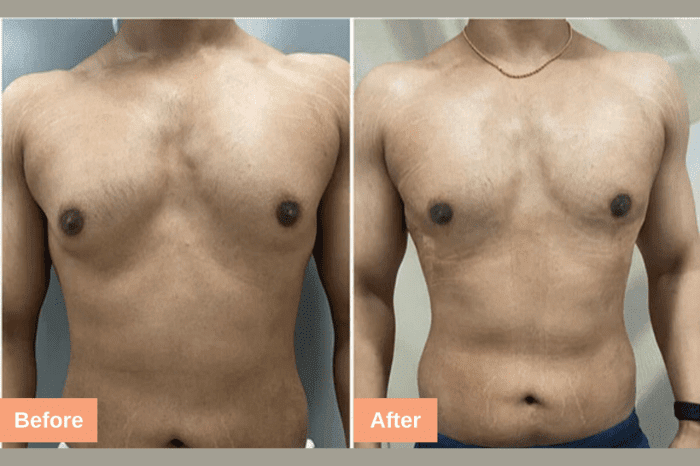
See More Real Tummy Tuck Patient Results in Our Before & After Gallery.
Frequently Asked Questions
Is gynecomastia common?
Yes. It is one of the most common chest conditions affecting men.
Can exercise cure gynecomastia?
Exercise can reduce body fat but cannot remove gland tissue.
Is gynecomastia dangerous?
Most cases are not dangerous, but new or unusual symptoms should always be evaluated.
Can gynecomastia go away naturally?
Some pubertal cases improve on their own. Long-standing gynecomastia is less likely to disappear.
How do I know if I have fat or gland tissue?
A physical examination is usually needed to determine the difference.
Is surgery the only permanent solution?
For established glandular gynecomastia, surgery is generally the most predictable treatment.
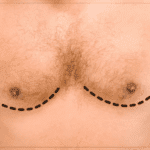
Will there be scars?
Modern techniques typically use small, strategically placed incisions.
Is gynecomastia surgery painful?
Most patients report manageable discomfort during recovery.
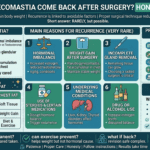
Can gynecomastia come back?
Recurrence is uncommon when gland tissue is adequately removed and underlying causes are addressed.
How long is recovery?
Most patients return to routine activities within days, although exercise restrictions continue longer.
Conclusion
Gynecomastia is a common condition that causes enlargement of male breast tissue and can affect confidence, body image, and quality of life.
The most important step is determining whether the enlargement is caused by gland tissue, fat, or a combination of both.
While some cases improve naturally, persistent gynecomastia often requires more targeted treatment.
If you are unsure whether your chest enlargement is due to gynecomastia or excess fat, a consultation can help identify the underlying cause and determine the most appropriate treatment option.
References
- Johnson RE, Murad MH. Gynecomastia: Pathophysiology, Evaluation, and Management.
- Narula HS, Carlson HE. Gynecomastia: Clinical Evaluation and Management.
- American Society of Plastic Surgeons (ASPS). Gynecomastia Surgery Patient Safety Guidelines.
- Braunstein GD. Gynecomastia. New England Journal of Medicine.
- Dickson G. Gynecomastia. American Family Physician.
Related Procedures
Medically Reviewed By
Dr. Anmol ChughQualifications: MBBS, MS, MCh (Plastic Surgery)
Experience: 16+ Years in Plastic & Aesthetic Surgery
Review Date: 15 Feb 2025
This article has been medically reviewed for accuracy and patient safety.