Results That Matter: Gynecomastia Transformation Stories from India

Many Men Think the Surgery Changes Only Their Chest. In Reality, It Often Changes Much More.
Living with gynecomastia can be frustrating. Many men avoid wearing fitted T-shirts, swimming, going to the gym, or even standing confidently in photographs because they feel self-conscious about their chest.
Some spend years trying to flatten their chest with dieting, chest workouts, supplements, or weight loss. Others simply learn to hide it under loose clothing.
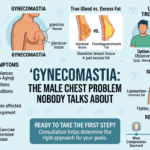
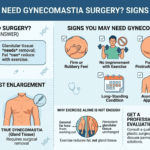
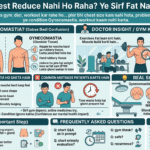
The truth is that true gynecomastia is not just excess fat. It is the enlargement of male breast gland tissue, which cannot be removed through exercise alone.
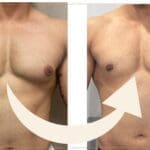
The good news is that gynecomastia surgery can permanently remove the enlarged gland and reshape the chest to create a flatter, more masculine appearance.
As a board-certified plastic surgeon in Gurgaon, Delhi NCR, Dr. Anmol Chugh believes the real success of surgery is not measured only by before-and-after photographs, it is measured by how confidently patients return to everyday life.
Table of Contents
- Quick Answer
- What Is Gynecomastia?
- Why Does Gynecomastia Affect Confidence So Much?
- What Results Can You Realistically Expect After Gynecomastia Surgery?
- The Physical Changes Patients Usually Notice
- The Emotional Changes Can Be Even More Meaningful
- Dr. Anmol’s Clinical Perspective: What I Commonly See in My Practice
- Common Mistakes Patients Make
- Recovery Timeline After Gynecomastia Surgery
- Recovery Protocol Followed at Our Centre
- Safety Checklist Before Surgery
- Who Should Not Undergo Gynecomastia Surgery?
- Are There Any Risks?
- What I Tell My Patients During Consultation
- Frequently Asked Questions
- Final Thoughts
Quick Answer
Gynecomastia surgery permanently removes enlarged breast gland tissue and reshapes the chest. Most men notice a flatter, firmer, and more masculine chest along with improved confidence. While the physical improvement is visible, many patients also experience positive emotional and social changes that significantly improve their quality of life.
What Is Gynecomastia?
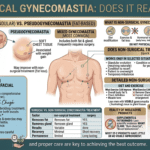
Gynecomastia is the enlargement of male breast tissue caused by excess gland, excess fat, or a combination of both.
It can affect one or both sides of the chest and is commonly seen during:
- Puberty
- Adulthood
- Middle age
- Older age
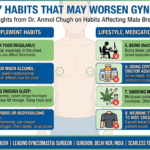
Several factors may contribute, including hormonal imbalance, certain medications, genetics, obesity, anabolic steroid use, and some medical conditions.
Unlike ordinary chest fat, gland tissue usually feels firm beneath the nipple and does not disappear with exercise.
Why Does Gynecomastia Affect Confidence So Much?
Many people think gynecomastia is only a cosmetic concern.
In reality, it often affects daily life.
Patients frequently tell us they avoid:
- Wearing light-coloured or fitted clothing
- Swimming pools and beaches
- Changing clothes in front of friends
- Gym locker rooms
- Family functions and photographs
Some men even develop poor posture because they subconsciously try to hide their chest by rounding their shoulders.
These emotional effects are just as important as the physical appearance.
What Results Can You Realistically Expect After Gynecomastia Surgery?
One of the most common questions patients ask is:
“Will my chest look completely normal after surgery?”
The answer depends on several factors, including:
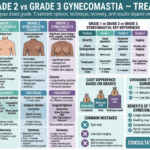
- The grade of gynecomastia
- Skin quality
- Body weight
- Chest muscle development
- Healing response
- Surgical technique
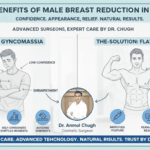
For most suitable candidates, surgery can provide:
- A flatter chest
- Better chest definition
- Improved nipple contour
- A more masculine appearance
- Better clothing fit
- Improved body confidence
Studies published in Plastic and Reconstructive Surgery have shown that patient satisfaction after properly performed gynecomastia surgery is consistently high, with significant improvements in quality of life.
The Physical Changes Patients Usually Notice
Every patient heals differently, but these are the improvements most men observe after recovery.
A Flatter Chest
The enlarged gland is removed, allowing the chest to appear flatter and more proportionate.
This is usually the first change patients notice.
Improved Chest Shape
Modern gynecomastia surgery is not simply about removing tissue.
The surrounding fat is carefully contoured to create a smooth transition across the chest.
This helps avoid an operated appearance.
Better Nipple Position
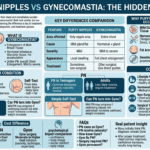
Many patients with enlarged glands also have puffy nipples.
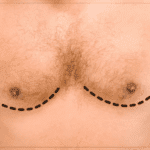
Once the gland is removed, the nipple usually sits flatter against the chest, creating a more natural look.
Better Clothing Fit
Many patients say they enjoy wearing:
- T-shirts
- Formal shirts
- Gym wear
- Swimwear
without worrying about their chest drawing unwanted attention.
The Emotional Changes Can Be Even More Meaningful
The physical improvement is only part of the transformation.
Many patients describe emotional changes that are difficult to measure but easy to notice.
They often say:
- “I stopped hiding behind oversized clothes.”
- “I finally feel comfortable at the gym.”
- “I enjoy holidays without worrying about my chest.”
- “I don’t avoid photographs anymore.”
- “I stand straighter now.”
These changes often happen gradually as confidence returns.
For many men, the surgery removes years of self-consciousness rather than simply removing gland tissue.
Dr. Anmol’s Clinical Perspective: What I Commonly See in My Practice
One thing I have noticed over the years is that patients rarely come to me because of physical discomfort alone.
Most have already spent years trying different solutions before considering surgery.
Many have:
- Lost weight
- Built muscle
- Tried chest exercises
- Used supplements
- Worn compression garments
- Delayed treatment, hoping the condition would improve
By the time they visit the clinic, the biggest concern is often not the chest itself, it is the loss of confidence.
After surgery, patients frequently tell me that everyday activities become easier. They no longer think about hiding their chest every time they get dressed or participate in social events.
That change in confidence is often the most rewarding part of treatment.
Common Mistakes Patients Make
Several misconceptions delay proper treatment.
Waiting Too Long
Many men live with gynecomastia for years because they believe it will disappear on its own.
While puberty-related enlargement sometimes settles naturally, persistent gland tissue usually does not.
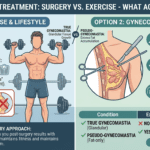
Trying Endless Chest Exercises
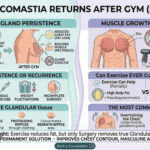
Exercise can reduce body fat but cannot remove enlarged breast gland tissue.
Patients often spend years working on chest workouts without achieving the flat chest they expect.
Choosing Treatment Based Only on Cost
The lowest price should never be the deciding factor.
The surgeon’s experience, surgical planning, safety standards, and chest contouring technique play a much bigger role in achieving natural-looking results.
Expecting Perfection Overnight
Although the chest appears flatter soon after surgery, swelling gradually improves over several months.
Patience is an important part of the healing process.
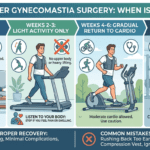
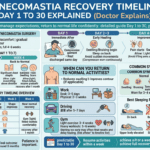
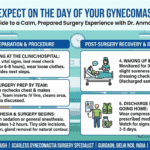
Recovery Timeline After Gynecomastia Surgery
Recovery is usually straightforward when patients follow their post-operative instructions carefully.
Although every individual heals differently, a typical recovery looks like this:
First Week
- Mild swelling and bruising are normal.
- A compression garment is worn continuously.
- Most patients can return to desk work within 2–5 days.
Weeks 2–4
- Swelling gradually reduces.
- Daily activities become easier.
- Light walking is encouraged.
- Most patients feel increasingly comfortable in fitted clothing.
Weeks 4–6
- Most patients can resume gym workouts after clearance from their surgeon.
- Chest definition becomes more visible.
Three to Six Months
- Residual swelling continues to improve.
- The chest settles into its final contour.
- Surgical scars continue to fade.
Studies suggest that complete scar maturation may continue for 12–18 months, although most scars become much less noticeable much earlier.
Also Read: Gynecomastia Recovery Timeline: Day 1 to 30 Explained
Recovery Protocol Followed at Our Centre
Successful gynecomastia surgery does not end in the operating room.
Recovery plays an equally important role in achieving the best result.
At our centre, patients receive detailed guidance that typically includes:
- Wearing a compression garment for 4–6 weeks
- Early walking to improve circulation
- Regular follow-up appointments
- Scar care when appropriate
- Gradual return to exercise
- Monitoring for swelling or fluid collection
- Long-term lifestyle advice to maintain results
Following these instructions helps reduce swelling, improve chest contour, and support long-term healing.
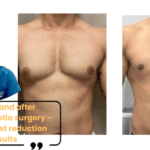
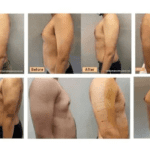
Real Patient Result After Gynecomastia Surgery
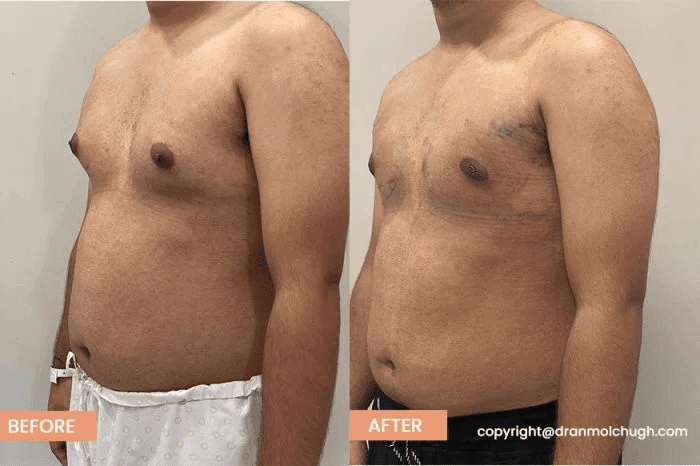
See More Real Gynecomastia Surgery Patient Results in Our Before & After Gallery.
Safety Checklist Before Surgery
Before proceeding with gynecomastia surgery, patients should make sure they:
✔ Have a stable body weight
✔ Have realistic expectations
✔ Stop smoking for at least 4 weeks before and after surgery
✔ Inform the surgeon about all medications and supplements
✔ Undergo recommended blood investigations
✔ Avoid anabolic steroids and recreational drugs
✔ Choose a qualified plastic surgeon experienced in male chest contouring
A careful pre-operative assessment significantly improves safety and surgical outcomes.
Who Should Not Undergo Gynecomastia Surgery?
Although surgery is highly effective, it may not be the right choice for everyone.
Treatment may need to be postponed if you:
- Have uncontrolled diabetes or a serious medical illness
- Have an untreated hormonal disorder
- Continue using anabolic steroids
- Have an active chest infection
- Have unrealistic expectations
- Are significantly overweight and would benefit from weight loss first
A thorough consultation helps determine whether surgery is appropriate or whether medical treatment should be considered first.
Are There Any Risks?
Like any surgical procedure, gynecomastia surgery carries some risks.
Possible complications include:
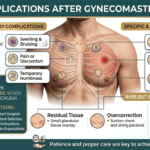
- Swelling
- Bruising
- Temporary numbness
- Fluid collection (seroma)
- Bleeding
- Infection
- Minor asymmetry
- Scar thickening
- Need for revision surgery (uncommon)
Fortunately, these complications are uncommon when surgery is performed by an experienced plastic surgeon and patients follow recovery instructions carefully.
Discussing potential risks honestly helps patients make informed decisions.
Also Read: Real Complications After Gynecomastia Surgery
What I Tell My Patients During Consultation
One question I hear almost every day is:
“Doctor, will my chest look natural?”
My answer is always the same.
The goal is not simply to remove the gland.
The goal is to create a chest that looks natural for your body.
That means paying attention to:
- Chest proportions
- Skin quality
- Muscle definition
- Symmetry
- Overall body shape
I also remind patients that surgery improves the chest, but maintaining the result depends on healthy habits.
Stable weight, regular exercise, and avoiding anabolic steroids help preserve long-term results.
Frequently Asked Questions
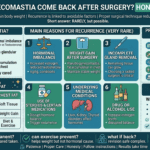
1. Can gynecomastia come back after surgery?
The removed gland does not grow back. However, significant weight gain, anabolic steroid use, certain medications, or new hormonal problems may cause enlargement of the remaining tissue.
2. Is gynecomastia surgery painful?
Most patients describe the discomfort as mild to moderate. It usually feels similar to muscle soreness after an intense workout and improves over several days.
3. When can I return to work?
Most patients with desk jobs return within 2–5 days. Jobs involving heavy lifting may require a longer recovery period.
4. When can I start exercising again?
Walking is encouraged early. Light exercise usually begins after 2–3 weeks, while weight training generally resumes after 4–6 weeks, depending on healing.
5. Will there be visible scars?
Modern gynecomastia surgery uses small, carefully placed incisions. In most patients, scars become much less noticeable over time.
6. Can exercise cure gynecomastia?
Exercise helps reduce body fat but cannot remove enlarged breast gland tissue. True gynecomastia usually requires surgery for permanent correction.
7. Is gynecomastia surgery permanent?
Yes. Once the enlarged gland is removed, the results are generally permanent if body weight remains stable and hormonal factors remain controlled.
8. Am I too old for gynecomastia surgery?
Age alone is not a limiting factor. Overall health, skin quality, and individual goals are more important than age itself.
Final Thoughts
Living with gynecomastia can affect much more than your appearance. It can influence confidence, posture, clothing choices, fitness, and social interactions.
Fortunately, gynecomastia surgery is a safe and effective treatment for suitable candidates. Modern surgical techniques allow the enlarged gland to be removed while creating a natural-looking, masculine chest with minimal visible scarring.
The best results are achieved through careful planning, realistic expectations, safe surgical techniques, and proper recovery.
If you are unsure whether your chest enlargement is caused by fat, gland tissue, or a combination of both, a consultation with an experienced plastic surgeon in Gurgaon, Delhi NCR, can help you understand your condition and discuss the most appropriate treatment options.
Related Procedures
If you’re exploring treatment options for gynecomastia, you may also be interested in:
- Scarless Gynecomastia Surgery
- VASER Liposuction
- Power-Assisted Liposuction (PAL)
- Chest Liposuction
- High-Definition Liposuction
- Body Contouring Surgery
References
- American Society of Plastic Surgeons. Gynecomastia Surgery (Male Breast Reduction).
https://www.plasticsurgery.org/cosmetic-procedures/gynecomastia-surgery
- American Society of Plastic Surgeons. Gynecomastia Surgery (Male Breast Reduction).
- Lista F, Ahmad J. Power-assisted liposuction and direct gland excision for gynecomastia: A 10-year review. Plastic and Reconstructive Surgery. 2008;122(5):1309–1315.
https://doi.org/10.1097/PRS.0b013e3181882429 - Fruhstorfer BH, Malata CM. A systematic approach to the surgical treatment of gynecomastia. British Journal of Plastic Surgery. 2003;56(3):237–246.
https://doi.org/10.1016/S0007-1226(03)00056-6 - Rohrich RJ, Ha RY, Kenkel JM, et al. Classification and management of gynecomastia: Defining the role of ultrasound-assisted liposuction. Plastic and Reconstructive Surgery. 2003;111(2):909–923.
https://doi.org/10.1097/01.PRS.0000042146.40379.25 - American Board of Cosmetic Surgery. Male Breast Reduction Surgery Guide.
https://www.americanboardcosmeticsurgery.org/procedure-learning-center/body/male-breast-reduction/ - National Library of Medicine. Gynecomastia: Etiology, Diagnosis, and Treatment. Endotext.
https://www.ncbi.nlm.nih.gov/books/NBK279105/ - Narula HS, Carlson HE. Gynecomastia. Endocrinology and Metabolism Clinics of North America. 2007;36(2):497–519.
https://doi.org/10.1016/j.ecl.2007.03.008
- Lista F, Ahmad J. Power-assisted liposuction and direct gland excision for gynecomastia: A 10-year review. Plastic and Reconstructive Surgery. 2008;122(5):1309–1315.
Medically Reviewed By
Dr. Anmol ChughQualifications: MBBS, MS, MCh (Plastic Surgery)
Experience: 16+ Years in Plastic & Aesthetic Surgery
Review Date: 25 Mar 2026
This article has been medically reviewed for accuracy and patient safety.