Can Gynecomastia Come Back After Surgery? (Real Answer)
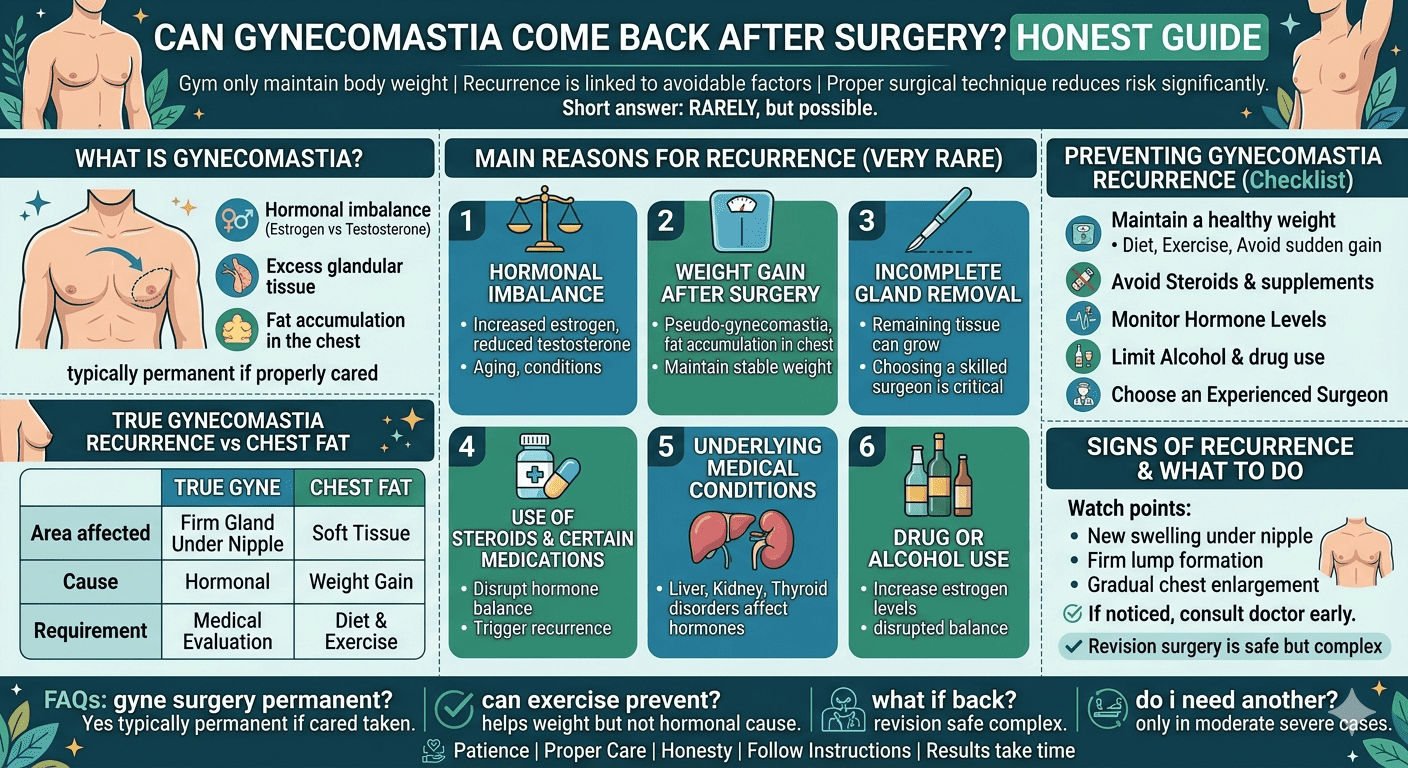
One of the most common concerns patients have before surgery is:
“Can gynecomastia come back after surgery?”
It’s a valid question. After investing time, money, and effort into treatment, you want permanent results.
The short answer is:
👉 Gynecomastia rarely comes back after surgery, but in some cases, it can.
In this detailed guide, we will explain the real reasons for recurrence, how common it is, and what you can do to prevent it.
What is Gynecomastia?
Before understanding recurrence, it’s important to know what gynecomastia actually is.
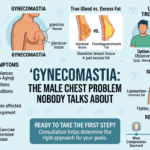
Gynecomastia is the enlargement of male breast tissue due to:
- Hormonal imbalance (estrogen vs testosterone)
- Excess glandular tissue
- Fat accumulation in the chest
It is different from simple chest fat and often requires gynecomastia surgery for permanent correction.
Is Gynecomastia Surgery Permanent?
In most cases, gynecomastia surgery results are permanent.
During surgery:
- Excess fat is removed
- Glandular tissue is excised
- Chest contour is reshaped
👉 Once the gland is removed, it typically does not grow back.
However, certain conditions can lead to gynecomastia recurrence.
Can Gynecomastia Come Back After Surgery?
The honest answer:
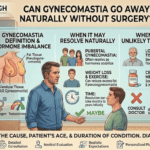
👉 Yes, gynecomastia can come back after surgery, but it is very rare.
Recurrence usually happens only when specific risk factors are present.
Most patients who undergo proper surgery and maintain a healthy lifestyle never experience recurrence.
How Common is Gynecomastia Recurrence?
- Recurrence rate is very low
- Most cases are linked to underlying causes
- Proper surgical technique significantly reduces the risk
👉 Choosing an experienced surgeon plays a major role in preventing recurrence.
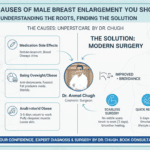
Main Reasons Why Gynecomastia Can Come Back
Understanding the causes helps you avoid recurrence after gynecomastia surgery.
Hormonal Imbalance
Hormones are the primary cause of gynecomastia.
If there is:
- Increased estrogen
- Reduced testosterone
The condition may return even after surgery.
Common causes:
- Puberty-related hormonal changes
- Aging
- Medical conditions
Weight Gain After Surgery
Significant weight gain can lead to:
- Fat accumulation in the chest
- Pseudo-gynecomastia (fat-based chest enlargement)
👉 This is not true gland recurrence but can look similar.
Maintaining a stable weight is important after surgery.
Incomplete Gland Removal
If the gland is not fully removed during surgery:
- The remaining tissue can grow again
- The chest may appear enlarged over time
👉 This is why choosing a skilled surgeon is critical.
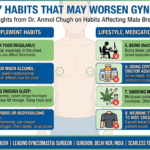
Use of Steroids or Certain Medications
Certain substances can trigger gynecomastia recurrence:
- Anabolic steroids
- Hormonal supplements
- Some medications (anti-androgens, antidepressants)
These disrupt hormonal balance and may lead to recurrence.
Underlying Medical Conditions
Conditions such as:
- Liver disease
- Kidney disease
- Thyroid disorders
can affect hormone levels and cause gynecomastia again.
Drug or Alcohol Use
Substances like:
- Alcohol
- Marijuana
- Recreational drugs
can increase estrogen levels and lead to recurrence.
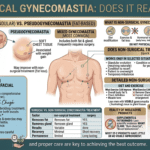
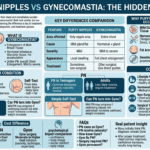
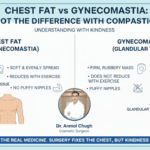
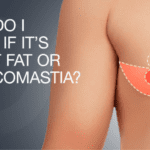
Gynecomastia Recurrence vs Chest Fat (Important Difference)
Many patients confuse recurrence with fat gain.
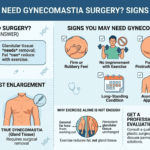
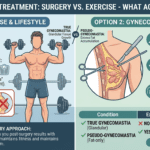
True Gynecomastia Recurrence
- Firm gland under the nipple
- Hormonal cause
- Requires medical evaluation
Chest Fat (Pseudo-Gynecomastia)
- Soft tissue
- Due to weight gain
- Can improve with diet and exercise
Understanding this difference is crucial.
How to Prevent Gynecomastia from Coming Back
Here are practical steps to ensure long-lasting results after gynecomastia surgery:
Maintain a Healthy Weight
- Follow a balanced diet
- Exercise regularly
- Avoid sudden weight gain
Avoid Steroids and Hormonal Supplements
Stay away from:
- Bodybuilding steroids
- Unregulated supplements
These can disrupt hormones.
Monitor Hormone Levels
If you have:
- Hormonal imbalance
- History of endocrine issues
Regular check-ups are important.
Limit Alcohol and Drug Use
Reducing alcohol and avoiding drugs helps maintain hormonal balance.
Choose an Experienced Surgeon
A skilled surgeon ensures:
- Complete gland removal
- Proper contouring
- Lower recurrence risk
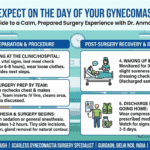
What Happens if Gynecomastia Comes Back?
If recurrence occurs:
- Mild cases may not need surgery
- Moderate to severe cases may require revision gynecomastia surgery
A proper evaluation helps determine the best treatment.
Signs That Gynecomastia Might Be Coming Back
Watch for:
- New swelling under the nipple
- Firm lump formation
- Gradual chest enlargement
If you notice these signs, consult your doctor early.
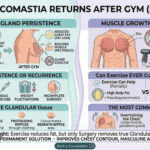
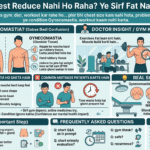
Does Gym Prevent Recurrence?
Exercise helps:
- Maintain body weight
- Improve chest shape
However:
👉 Gym alone cannot prevent true gynecomastia recurrence caused by hormones
Real Patient Insight
Most patients report:
- Permanent results after surgery
- Improved confidence
- No recurrence when lifestyle is maintained
Recurrence is usually linked to avoidable factors like weight gain or hormone imbalance.
Is Revision Surgery Safe?
Yes, revision gynecomastia surgery is safe when performed by an experienced plastic surgeon.
However:
- It may be slightly more complex
- Recovery may take longer
That’s why primary surgery should be done correctly.
FAQs – Gynecomastia Recurrence
Can gynecomastia come back after surgery?
Yes, but it is very rare and usually depends on hormonal or lifestyle factors.
Is gynecomastia surgery permanent?
Yes, results are typically permanent if proper care is taken.
Can weight gain cause gynecomastia again?
Weight gain can cause chest fat, which may resemble gynecomastia.
Can steroids cause recurrence?
Yes, steroids are a major cause of gynecomastia recurrence.
How do I know if it has come back?
Look for firm tissue under the nipple and consult your doctor for evaluation.
Do I need another surgery if it comes back?
Only in moderate to severe cases. Mild cases may not require surgery.
Can exercise prevent recurrence?
Exercise helps maintain weight, but does not control hormonal causes.
Final Thoughts
So, can gynecomastia come back after surgery?
👉 The honest answer is: Yes, but it is rare and mostly preventable.
With:
- Proper surgical technique
- Healthy lifestyle
- Hormonal balance
Most patients enjoy permanent, long-lasting results.
Consultation is Important
Every patient is different. A proper consultation helps:
- Identify underlying causes
- Assess recurrence risk
Plan the best treatment
Medically Reviewed By
Dr. Anmol ChughQualifications: MBBS, MS, MCh (Plastic Surgery)
Experience: 16+ Years in Plastic & Aesthetic Surgery
Review Date: 04 Apr 2026
This article has been medically reviewed for accuracy and patient safety.