Scarless Gynecomastia Surgery in Delhi NCR: What You Should Know
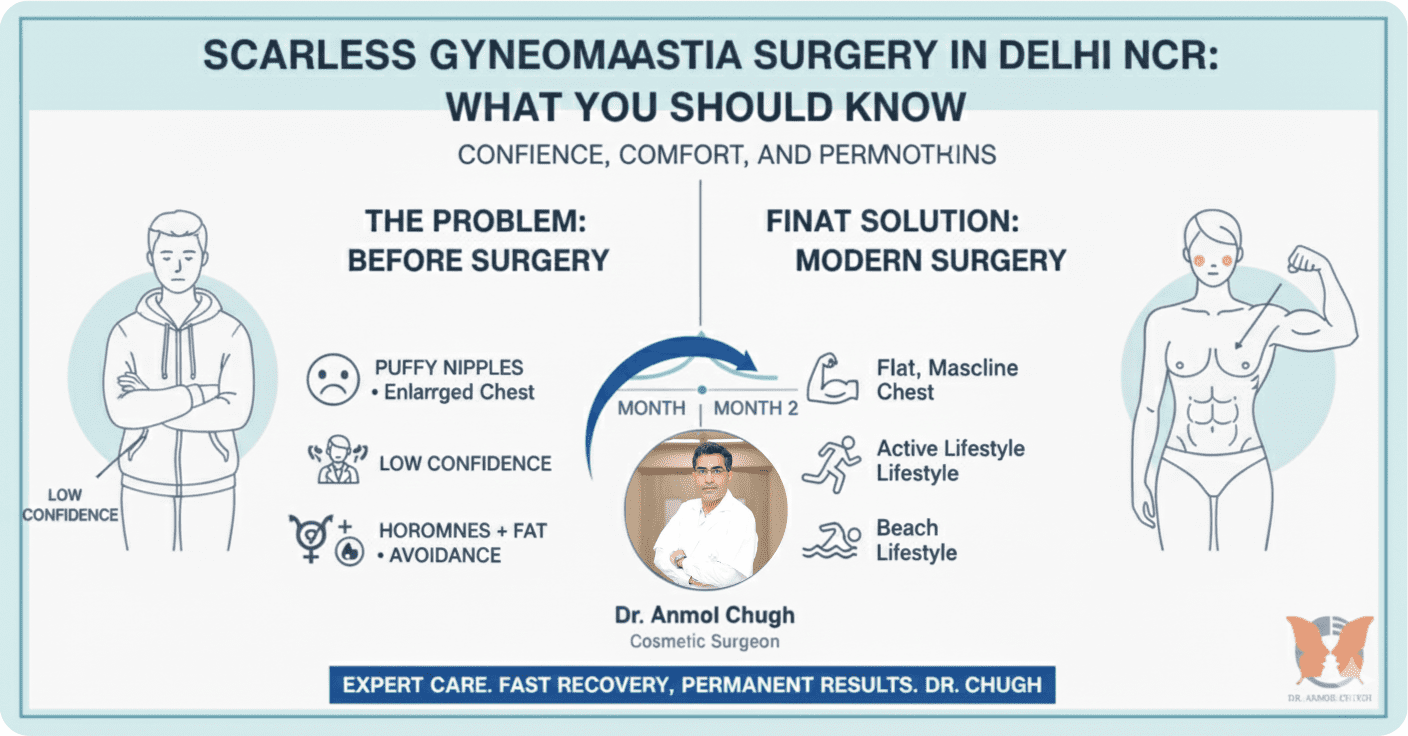
Many men spend years hiding their chest because of gynecomastia. They avoid swimming, hesitate to wear fitted T-shirts, and often feel uncomfortable in situations where they need to remove their shirt. Some work out regularly hoping the problem will disappear, while others try supplements or home remedies that promise quick results.
One of the most common questions I hear during consultations is:
“Can gynecomastia surgery really be scarless?”
The answer is yes and no.
Modern gynecomastia surgery can leave very small, well-hidden scars that are usually difficult to notice once healing is complete. However, no surgery is truly “scar-free.” The term scarless gynecomastia surgery generally refers to advanced techniques that place tiny incisions in discreet locations so they become almost invisible over time.
In this guide, we’ll explain how scarless gynecomastia surgery works, who is a good candidate, what recovery looks like, and what you should realistically expect if you’re considering treatment in Gurgaon or Delhi NCR.
Table of Contents
- Quick Answer
- What Is Gynecomastia?
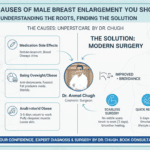
- What Causes Gynecomastia?
- Common Symptoms
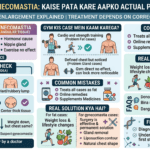
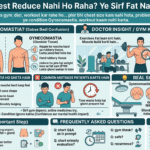
- Can Exercise Cure Gynecomastia?
- What Does “Scarless Gynecomastia Surgery” Really Mean?
- How Is Scarless Gynecomastia Surgery Performed?
- Dr. Anmol’s Clinical Perspective
- Who Is a Good Candidate for Scarless Gynecomastia Surgery?
- Who May Not Be an Ideal Candidate?
- What I Tell My Patients During Consultation
- Common Mistakes Patients Make
- Recovery After Scarless Gynecomastia Surgery
- Recovery Protocol Followed at Our Centre
- Are the Results Permanent?
- Are There Any Risks?
- Safety Checklist Before Surgery
- Before-and-After Example
- Frequently Asked Questions
- Conclusion
Quick Answer
Scarless gynecomastia surgery uses tiny, strategically placed incisions to remove enlarged breast gland tissue and excess fat while keeping scars as inconspicuous as possible.
The procedure can:
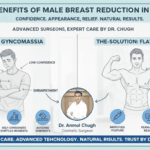
- Remove enlarged gland tissue
- Flatten the chest
- Improve chest definition
- Restore a masculine chest contour
- Provide long-lasting results
Although tiny scars are still necessary, they usually heal extremely well and become difficult to notice.
What Is Gynecomastia?
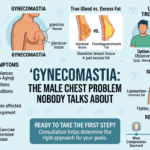
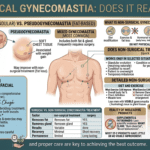
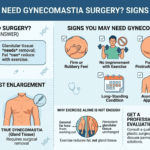
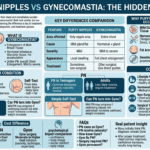
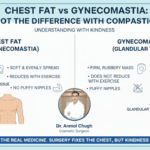
Gynecomastia is the enlargement of male breast tissue caused by an increase in glandular tissue beneath the nipple. It can affect one or both sides of the chest and may occur during puberty, adulthood, or later in life.
Many patients assume that gynecomastia is simply excess fat.
In reality, it usually involves one or more of the following:
- Glandular breast tissue
- Excess fat
- Loose skin in more advanced cases
This is important because glandular tissue cannot be removed through exercise or dieting.
What Causes Gynecomastia?
Several factors may contribute to gynecomastia, including:
- Hormonal imbalance
- Puberty
- Aging
- Weight gain
- Certain medications
- Anabolic steroid use
- Liver or kidney disorders
- Rare hormonal conditions
Sometimes no clear cause is identified.
Common Symptoms
Patients commonly notice:
- Puffy nipples
- A rounded chest appearance
- Firm tissue beneath the nipple
- Chest asymmetry
- Tenderness in some cases
- Reduced confidence
Some men experience only cosmetic concerns, while others report emotional distress that affects social activities and self-esteem.
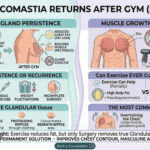
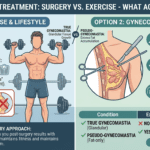
Can Exercise Cure Gynecomastia?
This is probably the biggest misconception surrounding gynecomastia.
Exercise can reduce overall body fat.
However, it cannot remove glandular breast tissue.
Many of my patients are physically fit and maintain healthy body weight, yet they continue to have a prominent chest because the gland remains.
If enlarged gland tissue is the primary problem, surgery is usually the only reliable treatment.
What Does “Scarless Gynecomastia Surgery” Really Mean?
The term scarless surgery can be misleading.
No operation can be performed without making an incision.
Instead, modern scarless gynecomastia surgery focuses on:
- Very small incisions
- Hidden incision placement
- Careful tissue handling
- Advanced liposuction techniques
- Improved scar healing
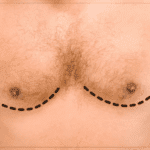
Most incisions are placed:
- Along the edge of the areola
- Within natural skin creases
- Occasionally within the underarm
As healing progresses, these scars often become extremely difficult to notice.
How Is Scarless Gynecomastia Surgery Performed?
The exact technique depends on the severity of gynecomastia, but treatment commonly includes three important steps.
1. Liposuction
If excess fat is present, specialized liposuction is performed through tiny incisions.
This helps:
- Reduce fullness
- Improve chest contour
- Smooth surrounding tissues
- Blend treated areas naturally
Modern techniques such as power-assisted liposuction (PAL) or ultrasound-assisted liposuction may improve contouring in selected patients.
2. Removal of Gland Tissue
The gland beneath the nipple is carefully removed through a small concealed incision.
Removing the gland is essential because leaving significant glandular tissue behind may result in persistent puffiness.
This step is what separates true gynecomastia surgery from liposuction alone.
3. Chest Sculpting
Once fat and gland tissue have been removed, the chest is sculpted to create natural masculine contours.
Rather than simply making the chest flat, the surgeon carefully shapes the surrounding tissues to match the patient’s body frame.
Dr. Anmol’s Clinical Perspective
One of the biggest reasons patients choose an experienced plastic surgeon is not simply gland removal.
The real difference lies in chest sculpting.
A good result should not look operated.
It should look like the patient naturally has a well-contoured, masculine chest.
Removing too much tissue can create dents or irregularities, while removing too little may leave residual fullness.
Finding the right balance is what produces natural-looking results.
Who Is a Good Candidate for Scarless Gynecomastia Surgery?
You may be a suitable candidate if:
- You have enlarged male breasts that have remained stable.
- Exercise has not improved your chest appearance.
- You are close to your ideal body weight.
- Your weight has remained relatively stable.
- You are in good overall health.
- You have realistic expectations.
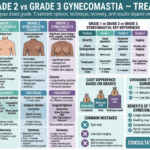
The procedure can be performed for patients with Grade 1, Grade 2, and many Grade 3 gynecomastia cases, depending on skin quality and individual anatomy.
Who May Not Be an Ideal Candidate?
Surgery may be postponed or may not be recommended for individuals who:
- Have uncontrolled medical conditions.
- Are actively using anabolic steroids.
- Have untreated hormonal disorders.
- Have unrealistic expectations.
- Continue to experience significant weight fluctuations.
- Smoke and are unwilling to stop before surgery.
A detailed consultation helps determine the safest and most appropriate treatment plan for each patient.
What I Tell My Patients During Consultation
One of the first things I explain during consultation is that gynecomastia surgery is not simply about removing tissue it is about restoring natural chest proportions.
Many patients come in worried about scars.
Ironically, after surgery, very few patients continue talking about the scars. Instead, they tell me how comfortable they feel wearing fitted shirts, going to the gym, or swimming without feeling self-conscious.
I also explain that “scarless” does not mean “no scar.” Every surgical procedure requires an incision. The difference lies in placing those incisions where they heal extremely well and become difficult to notice over time.
Patients who understand this before surgery usually have much more realistic expectations and are happier with their final results.
Common Mistakes Patients Make
Waiting Too Long Hoping It Will Go Away
Many men spend years trying:
- Chest exercises
- Fat burners
- Supplements
- Creams
- Massage therapies
While these may reduce body fat, they cannot remove enlarged gland tissue.
If the chest enlargement has remained unchanged for years, it is unlikely to disappear without treatment.
Choosing Surgery Based Only on Price
One of the biggest mistakes patients make is choosing a surgeon based only on cost.
Gynecomastia surgery is a body contouring procedure that requires both surgical precision and artistic judgment.
An inexpensive procedure that leaves:
- Residual gland
- Chest dents
- Asymmetry
- Visible scars
may ultimately require revision surgery.
Choosing an experienced plastic surgeon often leads to safer surgery and more predictable long-term results.
Returning to the Gym Too Early
Many young men are eager to resume weight training immediately after surgery.
However, heavy chest exercises too soon may:
- Increase swelling.
- Delay healing.
- Increase discomfort.
Following the recommended recovery timeline is essential for achieving the best results.
Ignoring Compression Garments
Some patients stop wearing their compression garment because they feel better after a few days.
Compression garments help:
- Reduce swelling.
- Improve skin retraction.
- Support healing tissues.
- Improve overall contour.
Consistent use during the recommended period contributes to smoother recovery.
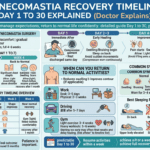
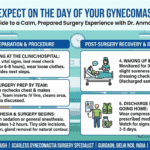
Recovery After Scarless Gynecomastia Surgery
Recovery is generally much easier than many patients expect.
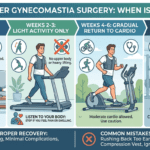
First 24–48 Hours
During the first couple of days you may notice:
- Mild soreness.
- Swelling.
- Tightness.
- Bruising.
Most patients describe the discomfort as similar to muscle soreness after an intense workout.
Pain is usually well controlled with prescribed medications.
Week One
During the first week:
- Swelling is most noticeable.
- Walking is encouraged.
- Light daily activities are usually comfortable.
- Most patients feel significantly better.
Many patients with desk jobs return to work within a few days, depending on individual recovery.
Weeks Two to Four
By this stage:
- Bruising continues to improve.
- Swelling gradually decreases.
- Chest contour becomes more visible.
- Patients regain confidence performing routine activities.
Compression garments are usually continued according to your surgeon’s advice.
Four to Six Weeks
Most patients can gradually return to:
- Gym workouts.
- Running.
- Weight training.
- Sports.
Only after clearance from their surgeon.
Although patients often feel fully recovered by this stage, internal healing continues.
Three to Six Months
This is when final results become much more apparent.
By this stage:
- Swelling has largely resolved.
- Chest definition improves.
- Scar maturation continues.
- Final contour becomes easier to appreciate.
Tiny scars generally continue fading over the following months.
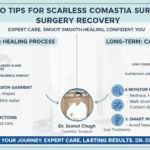
Recovery Protocol Followed at Our Centre
Every patient heals differently, so recovery plans are individualized.
However, our protocol commonly includes:
- Early walking after surgery.
- Compression garment use.
- Scheduled follow-up appointments.
- Scar care guidance once incisions have healed.
- Gradual return to exercise.
- Regular monitoring of chest contour and healing.
Close follow-up helps us ensure smooth recovery while identifying any concerns early.
Are the Results Permanent?
In most patients, yes.
Once enlarged gland tissue has been completely removed, it does not usually grow back.
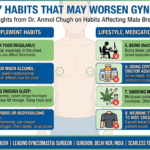
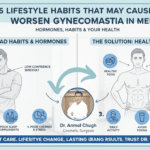
However, maintaining results depends on healthy lifestyle habits.
Factors that can affect long-term outcomes include:
- Significant weight gain.
- Anabolic steroid use.
- Certain hormonal disorders.
- Some medications.
Maintaining a stable weight helps preserve the improved chest contour for many years.
Are There Any Risks?
Like any surgical procedure, gynecomastia surgery carries potential risks.
Fortunately, serious complications are uncommon when surgery is performed by an experienced plastic surgeon.
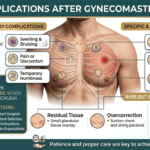
Possible risks include:
- Temporary swelling.
- Bruising.
- Numbness.
- Minor asymmetry.
- Fluid collection (seroma).
- Infection.
- Delayed wound healing.
- Scar thickening in susceptible individuals.
Discussing these possibilities honestly helps patients make informed decisions and prepares them for normal healing.
Safety Checklist Before Surgery
Before proceeding with gynecomastia surgery, make sure you:
- Have been properly evaluated to confirm true gynecomastia.
- Maintain a stable body weight.
- Stop smoking if advised.
- Avoid anabolic steroids.
- Share your complete medical history.
- Follow all pre-operative instructions carefully.
- Have realistic expectations regarding scars and recovery.
Proper preparation plays an important role in achieving the safest possible outcome.
- Scarless gynecomastia surgery still involves tiny incisions.
- The scars are usually well hidden and fade significantly with time.
- Compression garments are commonly recommended for 4–6 weeks.
- Most patients return to desk work within 2–5 days.
- Exercise is generally resumed gradually after medical clearance.
- Long-term results are best maintained with a stable weight and healthy lifestyle.
Before-and-After Example
Consider two patients with Grade 2 gynecomastia.
Patient A undergoes liposuction alone.
Patient B undergoes combined liposuction, gland removal, and chest sculpting.
Several months later, Patient B is more likely to achieve a flatter, more masculine chest because both the fat and the firm gland have been treated.
This highlights why proper diagnosis and individualized surgical planning are essential.
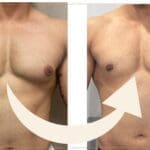
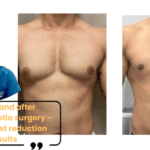
Real Gynecomastia Patient Result
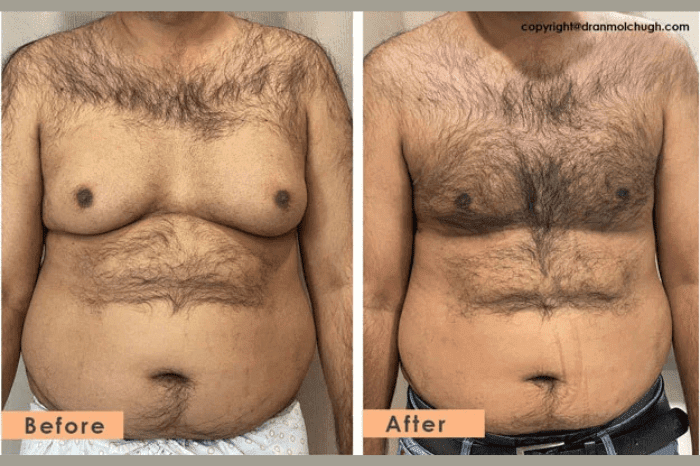
See More Real Gynecomastia Patient Results in Our Before & After Gallery.
Frequently Asked Questions
Is scarless gynecomastia surgery really scar-free?
No. Every surgical procedure requires a small incision. However, modern scarless gynecomastia surgery uses tiny, strategically placed incisions that usually heal extremely well and become difficult to notice over time.
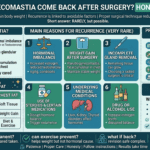
Can gynecomastia come back after surgery?
In most cases, no.
Once the enlarged gland tissue has been completely removed, it usually does not return.
However, significant weight gain, anabolic steroid use, certain medications, or untreated hormonal disorders may affect the appearance of the chest in the future.
Is gynecomastia surgery painful?
Most patients report only mild to moderate discomfort.
The sensation is often described as soreness after an intense workout rather than severe pain.
Pain medications prescribed after surgery usually keep patients comfortable during recovery.
When can I return to work?
Many patients with office-based jobs return to work within 2–5 days, depending on the extent of surgery and individual recovery.
Patients with physically demanding jobs may require additional recovery time.
When can I start going to the gym again?
Light walking is encouraged soon after surgery.
However, heavy chest workouts, weight training, and strenuous exercise are usually postponed for about 4–6 weeks, depending on your surgeon’s advice and healing progress.
Will I need to wear a compression garment?
Yes.
Compression garments play an important role in:
- Reducing swelling.
- Supporting healing tissues.
- Helping the skin adapt to its new contour.
- Improving overall recovery.
Your surgeon will advise you how long the garment should be worn.
Can teenagers undergo gynecomastia surgery?
Yes, but only after careful evaluation.
Many teenagers develop temporary gynecomastia during puberty that resolves naturally.
Surgery is generally considered only when:
- The condition has remained stable.
- Puberty is complete.
- Significant emotional distress is present.
- Conservative management is unlikely to help.
Will people be able to tell I’ve had surgery?
In most cases, no.
The goal of modern gynecomastia surgery is to create a natural-looking, masculine chest.
Once healing is complete, the small scars are usually well concealed, and the chest appears naturally contoured rather than “operated.”
Conclusion
Living with gynecomastia can affect much more than physical appearance. For many men, it influences confidence, clothing choices, social interactions, and overall quality of life.
Modern scarless gynecomastia surgery offers an effective solution by removing enlarged gland tissue through tiny, carefully placed incisions while creating a flatter, more masculine chest contour.
From Dr. Anmol Chugh’s clinical perspective, the success of surgery is not measured by how much tissue is removed. It is measured by how natural the chest looks after healing. A well-performed procedure should restore confidence without drawing attention to the surgery itself.
If you have persistent chest enlargement that has not improved despite exercise, weight loss, or lifestyle changes, a consultation with an experienced plastic surgeon can help determine whether surgery is the right option for you.
Understanding the cause of your chest enlargement, your treatment options, and what recovery involves allows you to make an informed decision with confidence.
References
- American Society of Plastic Surgeons. Gynecomastia Surgery (Male Breast Reduction).
https://www.plasticsurgery.org/cosmetic-procedures/gynecomastia-surgery - Braunstein GD. Gynecomastia. New England Journal of Medicine. 2007;357(12):1229–1237.
https://doi.org/10.1056/NEJMcp070677 - Niewoehner CB, Nuttall FQ. Gynecomastia in a hospitalized male population. The American Journal of Medicine. 1984;77(4):633–638.
https://doi.org/10.1016/0002-9343(84)90364-0 - Fruhstorfer BH, Malata CM. A systematic approach to the surgical treatment of gynecomastia. British Journal of Plastic Surgery. 2003;56(3):237–246.
https://doi.org/10.1016/S0007-1226(03)00045-9 - Johnson RE, Murad MH. Gynecomastia: Pathophysiology, evaluation, and management. Mayo Clinic Proceedings. 2009;84(11):1010–1015.
https://doi.org/10.4065/84.11.1010 - American Society for Aesthetic Plastic Surgery (The Aesthetic Society). Male Breast Reduction Surgery.
https://www.theaestheticsociety.org - National Health Service (NHS). Breast Reduction in Men (Gynecomastia).
https://www.nhs.uk/conditions/gynaecomastia/ - American Board of Cosmetic Surgery. Male Breast Reduction (Gynecomastia) Guide.
https://www.americanboardcosmeticsurgery.org/procedure-learning-center/body/male-breast-reduction-guide/
Related Procedures
- Gynecomastia Surgery
- Liposuction Surgery
- Body Contouring Surgery
- Tummy Tuck Surgery
- High Definition Liposuction
Medically Reviewed By
Dr. Anmol ChughQualifications: MBBS, MS, MCh (Plastic Surgery)
Experience: 16+ Years in Plastic & Aesthetic Surgery
Review Date: 05 Dec 2025
This article has been medically reviewed for accuracy and patient safety.