Grade 1 vs Grade 2 vs Grade 3 Gynecomastia – Treatment Guide
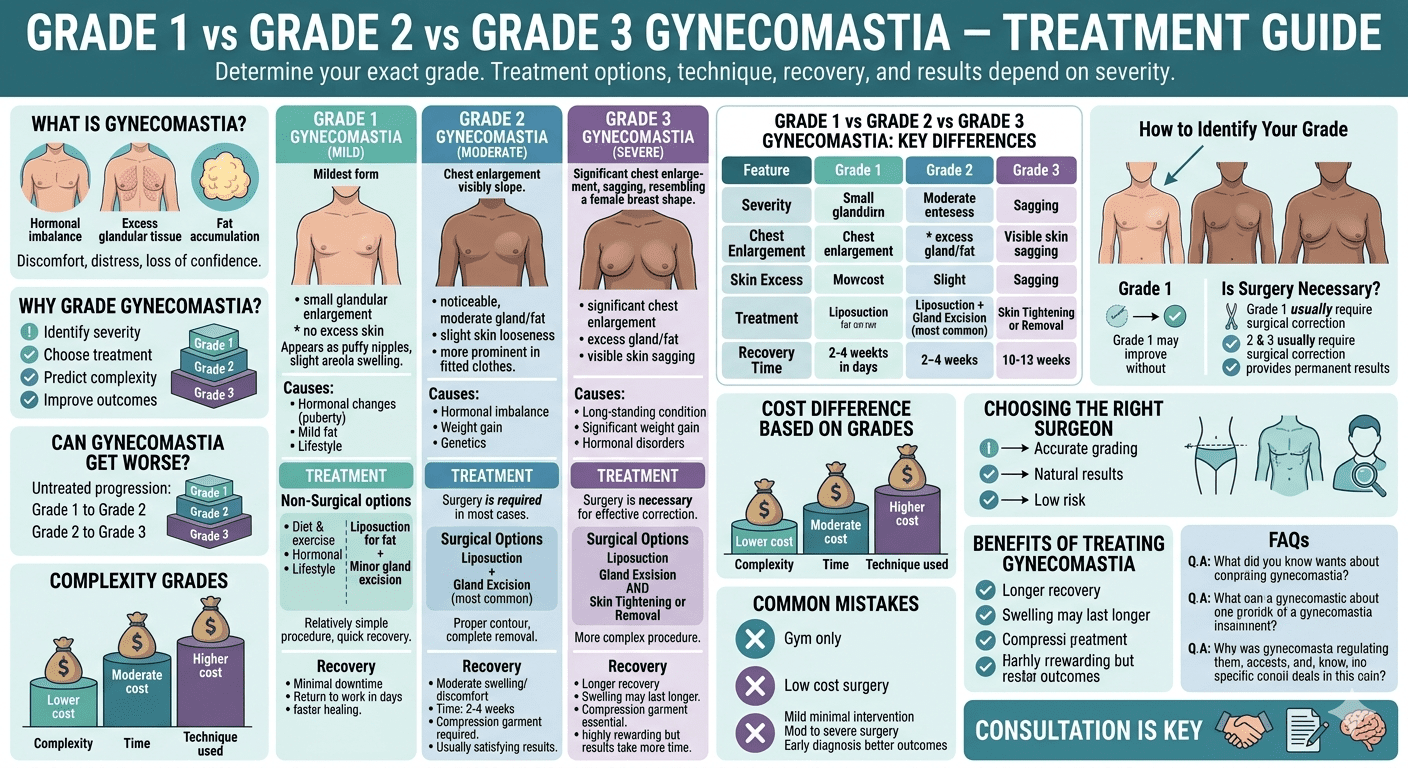
If you are experiencing chest enlargement, one of the first things you need to understand is:
“Which grade of gynecomastia do I have?”
The severity of the condition directly affects:
- Treatment options
- Surgery technique
- Recovery time
- Final results
In this detailed guide, we explain the difference between Grade 1 vs Grade 2 vs Grade 3 gynecomastia, along with the best treatment options for each stage.
What is Gynecomastia?
Gynecomastia is the enlargement of male breast tissue caused by:
- Hormonal imbalance
- Excess glandular tissue
- Fat accumulation
It can affect one or both sides of the chest and may cause:
- Physical discomfort
- Emotional distress
- Loss of confidence
Understanding the gynecomastia grades helps determine the right treatment plan.
Why Gynecomastia is Classified into Grades
Doctors classify gynecomastia into different grades to:
- Identify severity
- Choose the correct treatment
- Predict surgical complexity
- Improve outcomes
The most commonly used classification includes:
- Grade 1 gynecomastia
- Grade 2 gynecomastia
- Grade 3 gynecomastia
(Some classifications also include Grade 4, but here we focus on the three most common.)
Grade 1 Gynecomastia (Mild)
What is Grade 1 Gynecomastia?
Grade 1 gynecomastia is the mildest form of the condition.
Key Features:
- Small glandular enlargement
- No excess skin
- Minimal chest projection
Often, it appears as:
- Puffy nipples
- Slight swelling around the areola
Causes of Grade 1 Gynecomastia
- Hormonal changes (especially during puberty)
- Mild fat accumulation
- Lifestyle factors
Treatment for Grade 1 Gynecomastia
Treatment depends on the underlying cause.
Non-Surgical Options:
- Diet and exercise
- Hormonal management
- Lifestyle changes
However, if glandular tissue is present:
Surgical Treatment:
- Liposuction (for fat removal)
- Minor gland excision
👉 This is a relatively simple procedure with a quick recovery.
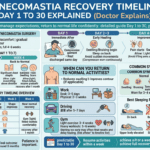
Recovery for Grade 1
- Minimal downtime
- Return to work in a few days
- Faster healing compared to higher grades
Grade 2 Gynecomastia (Moderate)
What is Grade 2 Gynecomastia?
Grade 2 gynecomastia is a moderate form of the condition.
Key Features:
- Noticeable chest enlargement
- Moderate gland and fat
- Slight skin looseness
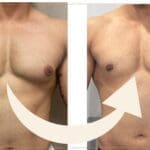
The chest starts looking more prominent, especially in fitted clothes.
Causes of Grade 2 Gynecomastia
- Hormonal imbalance
- Weight gain
- Genetics
Treatment for Grade 2 Gynecomastia
In most cases, surgery is required.
Surgical Options:
- Liposuction + gland excision (most common)
This combination ensures:
- Proper contour
- Complete removal of gland tissue
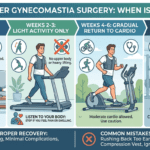
Recovery for Grade 2
- Moderate swelling and discomfort
- Recovery time: 2–4 weeks
- Compression garment required
Results are usually very satisfying with proper technique.
Grade 3 Gynecomastia (Severe)
What is Grade 3 Gynecomastia?
Grade 3 gynecomastia is a more advanced condition.
Key Features:
- Significant chest enlargement
- Excess gland and fat
- Visible skin sagging
The chest may resemble a female breast shape.
Causes of Grade 3 Gynecomastia
- Long-standing condition
- Significant weight gain
- Hormonal disorders
Treatment for Grade 3 Gynecomastia
Surgery is necessary for effective correction.
Surgical Options:
- Liposuction + gland excision
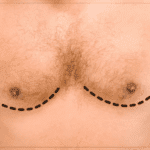
- Skin tightening or removal
This is a more complex procedure.
Recovery for Grade 3
- Longer recovery period
- Swelling may last longer
- Compression garment essential
Final results take more time but are highly rewarding.
Grade 1 vs Grade 2 vs Grade 3 Gynecomastia: Key Differences
| Feature | Grade 1 | Grade 2 | Grade 3 |
| Severity | Mild | Moderate | Severe |
| Chest Enlargement | Minimal | Noticeable | Significant |
| Skin Excess | None | Mild | Moderate |
| Treatment | Lifestyle / minor surgery | Surgery | Advanced surgery |
| Recovery Time | Quick | Moderate | Longer |
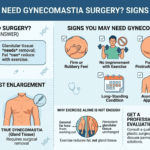
How to Identify Your Gynecomastia Grade
You may have:
- Grade 1 if you notice only puffy nipples
- Grade 2 if chest enlargement is visible
- Grade 3 if there is sagging and excess skin
However, proper diagnosis requires a clinical evaluation.
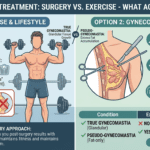
Is Surgery Necessary for All Grades?
Not always.
- Grade 1 may improve without surgery
- Grade 2 and 3 usually require surgical correction
👉 Surgery provides permanent and predictable results.
Cost Difference Based on Grades
The gynecomastia surgery cost increases with severity:
- Grade 1: Lower cost
- Grade 2: Moderate cost
- Grade 3: Higher cost
This is due to:
- Surgical complexity
- Time required
- Technique used
Importance of Choosing the Right Surgeon
An experienced surgeon ensures:
- Accurate grading
- Proper technique
- Natural-looking results
- Lower complication risk
Poor technique may lead to:
- Incomplete gland removal
- Uneven chest contour
- Need for revision surgery
Common Mistakes Patients Make
- Ignoring early symptoms
- Trying only the gym for glandular gynecomastia
- Choosing surgery based on low cost
- Delaying treatment
Early consultation leads to better outcomes.
Can Gynecomastia Get Worse Over Time?
Yes.
- Grade 1 can progress to Grade 2
- Grade 2 can become Grade 3
👉 Early treatment is always easier and more effective.
Benefits of Treating Gynecomastia
- Improved chest shape
- Increased confidence
- Better clothing fit
- Long-term results
FAQs – Gynecomastia Grades and Treatment
What is the difference between Grade 1 and Grade 2 gynecomastia?
Grade 1 is mild with minimal enlargement, while Grade 2 shows noticeable chest growth.
Can Grade 1 gynecomastia go away naturally?
In some cases, yes, especially if caused by a temporary hormonal imbalance.
Is surgery necessary for Grade 2 gynecomastia?
Yes, most cases require surgical correction for the best results.
How serious is Grade 3 gynecomastia?
It is more advanced and usually requires complex surgery with skin tightening.
Which grade is easiest to treat?
Grade 1 is the easiest due to minimal tissue involvement.
Can exercise cure gynecomastia?
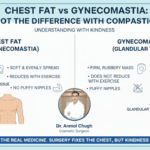
Exercise helps reduce fat, but cannot remove glandular tissue.
Final Thoughts
Understanding the difference between Grade 1 vs Grade 2 vs Grade 3 gynecomastia is essential for choosing the right treatment.
- Mild cases may need minimal intervention
- Moderate to severe cases require surgery
- Early diagnosis leads to better outcomes
Consultation is Key
Every patient is unique. A professional consultation helps:
- Determine your exact grade
- Plan the best treatment
- Achieve optimal results
Medically Reviewed By
Dr. Anmol ChughQualifications: MBBS, MS, MCh (Plastic Surgery)
Experience: 16+ Years in Plastic & Aesthetic Surgery
Review Date: 10 Apr 2026
This article has been medically reviewed for accuracy and patient safety.