Why Safety is Critical in Gynecomastia Surgery
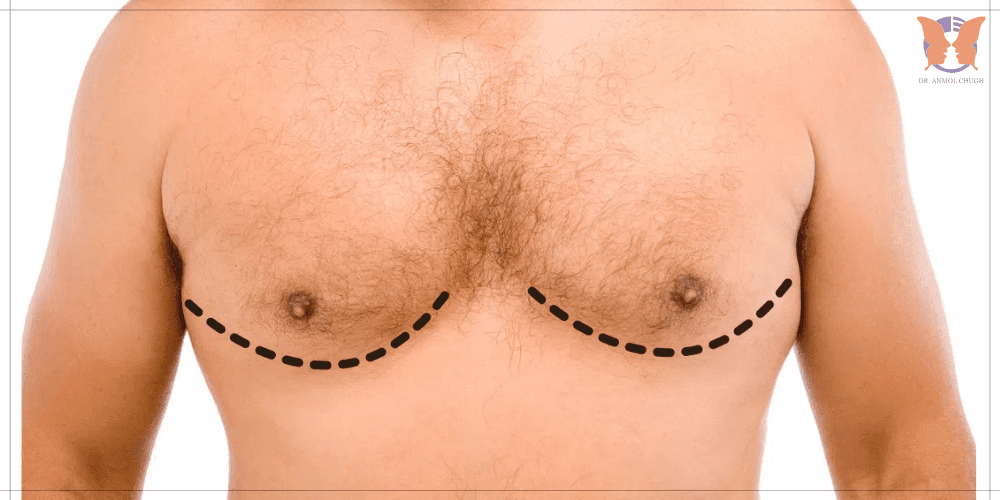
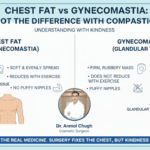
Gynecomastia is a condition where men develop extra breast tissue. This can cause both physical discomfort and emotional stress. Many men choose gynecomastia surgery to get a flatter and more masculine chest. While the surgery can bring life-changing results, one thing must always come first-safety.
When it comes to any medical procedure, safety is not just important-it is critical. Choosing the right surgeon, preparing well, and following safe practices can make the difference between a smooth recovery and unnecessary complications. In this blog, we will explore why safety in gynecomastia surgery matters, what steps ensure it, and how experts like Dr. Anmol Chugh prioritize patient care.
What is Gynecomastia Surgery?
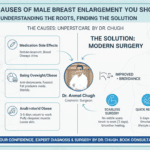
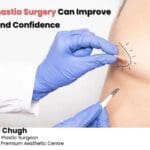
Gynecomastia surgery, also known as male breast reduction surgery, removes excess breast tissue, fat, and sometimes skin. The goal is to create a flatter and more natural-looking chest.
The surgery can be done in different ways:
- Liposuction – removes excess fat using small incisions.
- Excision surgery – removes glandular tissue and sometimes skin.
- Combination techniques – for patients who have both glandular tissue and fat.
Though this surgery is considered safe and effective, it is still a medical procedure. That is why safety should never be ignored.
Why Safety Matters in Gynecomastia Surgery
Protecting Your Health
Your health is the most important factor. Safe practices reduce the risk of:
- Infection
- Excess bleeding
- Poor wound healing
- Scarring
By following proper medical standards, surgeons ensure your health is never at risk during or after the procedure.
Ensuring Natural Results
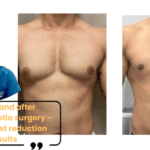
Safety is not only about health but also about results. When surgery is done safely, you get a natural-looking chest with minimal scars. Unsafe or rushed surgeries can lead to uneven results, asymmetry, or the need for corrective surgeries.
Avoiding Long-Term Complications
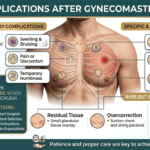
Complications like fluid build-up (seroma), nerve damage, or irregular chest contours are rare when safety protocols are followed. But when corners are cut, these problems can occur.
Peace of Mind for Patients
Knowing that your surgeon follows strict safety guidelines gives you confidence. It reduces anxiety and helps you focus on recovery instead of worrying about risks.
Safety Measures Before Surgery
Choosing the Right Surgeon
The most important step is selecting a board-certified plastic surgeon with experience in gynecomastia surgery. Dr. Anmol Chugh, a leading plastic surgeon in India, is known for his expertise and focus on patient safety. Choosing the right surgeon ensures you are in safe hands.
Detailed Consultation
A safe surgery starts with a detailed consultation. During this stage, your surgeon will:
- Review your medical history
- Understand your lifestyle and habits (like smoking or drinking)
- Conduct a physical examination
- Recommend blood tests and medical imaging if needed
This helps identify any risks and ensures you are fit for surgery.
Clear Pre-Surgery Guidelines
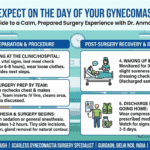
Safe surgery requires proper preparation. You may be asked to:
- Stop smoking at least 2 weeks before surgery
- Avoid certain medications like aspirin that increase bleeding risk
- Follow dietary guidelines
- Maintain a healthy weight
These steps lower risks and improve healing.
Safety Measures During Surgery
Sterile Environment
Gynecomastia surgery must be performed in a certified surgical facility. A sterile environment lowers the chances of infection.
Safe Anesthesia
Anesthesia is a key part of surgery. Safe anesthesia practices ensure you are comfortable and pain-free during the procedure. An experienced anesthesiologist monitors your vitals throughout.
Advanced Techniques
Surgeons like Dr. Anmol Chugh use advanced methods such as ultrasound-assisted liposuction or power-assisted liposuction. These techniques reduce tissue damage, shorten recovery time, and improve results.
Minimal Incisions
Smaller incisions mean less scarring and lower chances of infection. A safe surgeon always chooses techniques that protect both your health and appearance.
Safety Measures After Surgery
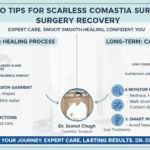
Proper Post-Operative Care
After surgery, safe care continues. This includes:
- Monitoring for early signs of infection
- Using compression garments to reduce swelling
- Taking prescribed medications
Follow-Up Appointments
Follow-up visits allow the surgeon to track healing and detect any issues early. Regular check-ups with Dr. Anmol Chugh ensure your recovery stays on the right path.
Patient Responsibility
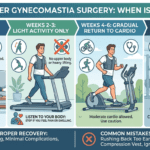
Safety also depends on you. Following your surgeon’s advice is crucial. Avoid strenuous exercise, eat healthy food, and don’t skip medications. Your cooperation helps prevent complications.
Common Risks Without Safety
If safety is ignored, the risks increase. These may include:
- Severe infection
- Irregular chest shape
- Large or visible scars
- Fluid build-up (hematoma or seroma)
- Prolonged pain or numbness
Such issues not only harm your health but may also require additional corrective surgeries.
Benefits of Safe Gynecomastia Surgery
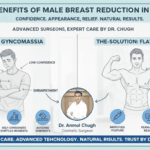
When safety is prioritized, patients enjoy multiple benefits:
- Faster recovery
- Minimal discomfort
- Natural chest shape
- Improved self-confidence
- Reduced risk of complications
Most importantly, safe practices allow you to focus on your new life with peace of mind.
How Dr. Anmol Chugh Ensures Safety in Gynecomastia Surgery
Expertise and Experience
Dr. Anmol Chugh is a renowned plastic surgeon who has treated many gynecomastia patients. His years of experience ensure every procedure is performed with precision and care.
Use of Modern Technology
He uses advanced techniques like ultrasound-assisted liposuction that make the surgery less invasive and safer.
Patient-Centered Approach
Every patient is unique. Dr. Anmol Chugh takes time to understand individual concerns, medical history, and expectations. This personalized care makes the surgery safer.
Emphasis on Education
He educates his patients about the entire process-before, during, and after surgery. When patients are informed, they can make safer choices.
Tips for Patients to Ensure Safety
- Always choose a certified and experienced surgeon.
- Share your complete medical history honestly.
- Follow all pre- and post-surgery instructions.
- Attend all follow-up appointments.
- Report unusual symptoms immediately.
Your active role is just as important as the surgeon’s skill in ensuring safety.
Conclusion
Gynecomastia surgery can transform not just your chest but also your confidence and quality of life. But none of these benefits matter if safety is ignored. From the first consultation to full recovery, every step must focus on protecting your health.
Choosing an experienced surgeon like Dr. Anmol Chugh gives you the best chance for safe, effective, and natural-looking results. Remember, safety is not just one step in the process-it is the foundation of successful gynecomastia surgery.
Medically Reviewed By
Dr. Anmol ChughQualifications: MBBS, MS, MCh (Plastic Surgery)
Experience: 16+ Years in Plastic & Aesthetic Surgery
Review Date: 17 Aug 2025
This article has been medically reviewed for accuracy and patient safety.