Breast Reduction Side Effects: What You Need to Know Before Surgery

Many women spend years thinking about breast reduction surgery before finally scheduling a consultation.
They often struggle with:
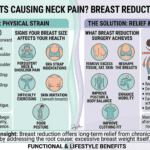
- Neck pain
- Shoulder pain
- Bra strap grooves
- Skin irritation beneath the breasts
- Difficulty exercising
- Difficulty finding comfortable clothing
One of the most common concerns I hear during consultation is:
“Doctor, I know breast reduction can help me, but what are the side effects and risks?”
It is an important question.
Every surgery has potential risks and complications. Understanding them honestly helps patients make informed decisions and prepare for a smoother recovery.
The good news is that when performed by an experienced plastic surgeon and combined with proper aftercare, breast reduction surgery is generally considered a safe and highly rewarding procedure for appropriately selected patients.
Table of Contents
- What Is Breast Reduction Surgery?
- Why Understanding Side Effects Matters
- Common Side Effects After Breast Reduction Surgery
- Loss of Nipple Sensation: A Common Concern
- Can Breast Reduction Affect Breastfeeding?
- Scarring After Breast Reduction Surgery
- What I Tell My Patients in Consultation
- Less Common but Important Risks
- Common Mistakes Patients Make
- Recovery Protocol Followed at Our Centre
- Who Should Avoid or Postpone Breast Reduction Surgery?
- Safety Checklist Before Breast Reduction
- Breast Reduction in Gurgaon and Delhi NCR
- Frequently Asked Questions
What Is Breast Reduction Surgery?
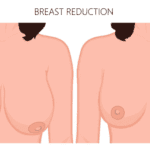
Breast reduction surgery, also called reduction mammoplasty, removes excess:
- Breast tissue
- Fat
- Skin
The goal is to create breasts that are more proportionate to the body while reducing physical discomfort.
Many women report significant improvement in:
- Back pain
- Neck pain
- Shoulder discomfort
- Physical activity levels
- Self-confidence
Why Understanding Side Effects Matters
Patients often focus on the final result but underestimate the recovery process.
Knowing what is normal and what is not helps reduce anxiety during healing and allows early identification of complications if they occur.
Common Side Effects After Breast Reduction Surgery
Most side effects are temporary and improve as healing progresses.
Swelling
Swelling is one of the most common side effects.
Most patients notice:
- Significant swelling during the first few weeks
- Gradual improvement over several months
Final breast shape may continue to settle for 3–6 months.
Bruising
Bruising is expected after surgery.
Most bruising:
- Peaks during the first week
- Improves significantly within 2–3 weeks
Pain and Tightness
Patients often describe:
- Soreness
- Tightness
- Pressure across the chest
This is usually most noticeable during the first few days and improves steadily.
Temporary Numbness
Many patients experience temporary changes in sensation involving:
- The breast skin
- The nipple
- The areola
In most cases, sensation gradually improves over time.
Loss of Nipple Sensation: A Common Concern
One of the biggest fears patients have is losing nipple sensation.
Most patients retain sensation, but changes can occur.
Possible outcomes include:
- Temporary numbness
- Increased sensitivity
- Partial loss of sensation
- Permanent reduction in sensation (less common)
The risk varies depending on:
- Breast size
- Amount of tissue removed
- Surgical technique
- Individual anatomy
This is always discussed during consultation.
Can Breast Reduction Affect Breastfeeding?
This is another important topic, especially for younger women.
Many women are able to breastfeed after breast reduction surgery, but there is no guarantee.
The ability to breastfeed depends on:
- Surgical technique
- Preservation of milk ducts
- Individual healing
Women planning future pregnancies should discuss this in detail before surgery.
Also Read: Can you breastfeed after a breast reduction surgery?
Scarring After Breast Reduction Surgery
Every breast reduction procedure creates scars.
Typical scar patterns may include:
- Around the areola
- Vertical scar below the nipple
- Scar within the breast fold
The good news is that scars generally improve significantly with time.
Most scars continue maturing for 12–18 months.
How We Help Minimize Scars
At our centre, patients receive detailed scar-care guidance including:
- Wound care instructions
- Silicone-based scar therapy when appropriate
- Sun protection recommendations
What I Tell My Patients in Consultation
Many women spend years worrying about scars but live with daily back and shoulder pain.
One thing I often explain is that most patients eventually focus far less on the scar and far more on the relief they experience after surgery.
The decision should not be based solely on whether a scar exists.
It should be based on whether the benefits outweigh the trade-offs for that individual patient.
Less Common but Important Risks
Although uncommon, patients should understand potential complications.
Infection
Signs may include:
- Redness
- Fever
- Increasing pain
- Drainage from the incision
Prompt treatment is important.
Bleeding
Occasionally, bleeding may occur after surgery and require medical attention.
Delayed Wound Healing
Some patients heal more slowly than others.
Risk factors include:
- Smoking
- Diabetes
- Poor nutrition
Fluid Collection (Seroma)
Fluid can occasionally accumulate beneath the skin and may require drainage.
Asymmetry
Perfect symmetry is not possible in natural breasts or after surgery.
Minor differences between breasts may remain after healing.
Blood Clots
Although uncommon, blood clots are a serious surgical risk and require prevention measures during recovery.
Common Mistakes Patients Make
Some of the most common mistakes I see include:
Returning to Exercise Too Early
Many patients feel better within a few weeks and attempt heavy workouts before healing is complete.
This can increase swelling and affect recovery.
Ignoring Compression Garments
Support garments play an important role in reducing swelling and supporting healing.
Smoking During Recovery
Smoking significantly increases the risk of wound-healing complications.
Patients should stop smoking at least 4 weeks before and 4 weeks after surgery.
Recovery Protocol Followed at Our Centre
While recovery is individualized, our general approach includes:
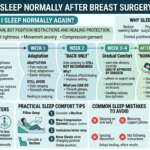
First Week
- Rest
- Gentle walking
- Compression garment use
- Regular follow-up
Weeks 2–4
- Gradual return to routine activities
- Continued support bra use
- Monitoring swelling
Weeks 4–6
- Progressive increase in activity
- Ongoing scar care
Beyond 6 Weeks
- Most patients resume normal exercise
- Continued improvement in breast shape and softness
Also read more about: Breast Reduction Surgery: Benefits, Risks, and Recovery Tips by Dr. Anmol Chugh
Who Should Avoid or Postpone Breast Reduction Surgery?
Surgery may not be appropriate if:
- You are pregnant.
- You are currently breastfeeding.
- Your weight is fluctuating significantly.
- You have uncontrolled medical conditions.
- You are unable to stop smoking.
- You have unrealistic expectations.
Safety Checklist Before Breast Reduction
✓ Stable body weight
✓ Non-smoker or willing to stop smoking
✓ Good overall health
✓ Completed medical evaluation
✓ Realistic expectations
✓ Understanding of risks and recovery
✓ Ability to follow post-operative instructions
Breast Reduction in Gurgaon and Delhi NCR
Women considering breast reduction surgery in Gurgaon and Delhi NCR often arrive worried about side effects.
While risks do exist, many patients feel that the improvement in physical comfort, mobility, clothing options, and confidence far outweighs the temporary recovery process.
A thorough consultation helps determine whether the procedure is appropriate and what risks may apply in your specific situation.
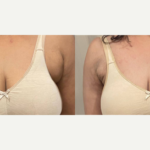
Real Patient Result After Breast Reduction

See More Real Breast Reduction Patient Results in Our Before & After Gallery.
Frequently Asked Questions
Is breast reduction surgery safe?
For appropriately selected patients, breast reduction is generally considered a safe procedure when performed by a qualified plastic surgeon.
Will I lose nipple sensation permanently?
Most patients retain sensation, although temporary or permanent changes can occur.
Can I breastfeed after breast reduction?
Many women can breastfeed, but future breastfeeding cannot be guaranteed.
How painful is recovery?
Most patients describe discomfort as manageable with prescribed medication.
Will scars be visible?
Scars are permanent but typically fade significantly over time.
How long does swelling last?
Most swelling improves within weeks, but final settling may take several months.
Can breasts grow back after reduction?
Significant weight gain, pregnancy, or hormonal changes can affect breast size in the future.
How much time off work is needed?
Many patients return to desk-based work within 1–2 weeks.
Is breast reduction covered by insurance?
Coverage varies depending on the country, insurer, and medical indications.
When will I see final results?
Most patients appreciate major improvements early, but final results may take 3–6 months or longer.
Conclusion
Breast reduction surgery can significantly improve quality of life for women struggling with excessively large breasts.
Like any surgery, it carries potential side effects and risks. However, understanding these risks beforehand allows patients to make informed decisions and prepare appropriately for recovery.
If you are experiencing neck pain, back pain, shoulder discomfort, skin irritation, or limitations in daily activities because of large breasts, a consultation can help determine whether breast reduction surgery is the right option for you.
References
- American Society of Plastic Surgeons (ASPS). Breast Reduction Surgery: Benefits, Risks and Recovery.
- U.S. Food and Drug Administration (FDA). General Surgical Safety Information.
- Kulkarni AR, Pusic AL, Hamill JB, et al. Quality of Life Following Reduction Mammaplasty.
- Rohrich RJ, Gosman AA, Brown SA. Current Concepts in Breast Reduction Surgery.
- International Society of Aesthetic Plastic Surgery (ISAPS). Patient Safety Guidelines for Breast Surgery.
Related Procedures
- Breast Reduction Surgery
- Breast Lift Surgery
- Breast Augmentation Surgery
- Breast Fat Transfer
- Mommy Makeover Surgery
Medically Reviewed By
Dr. Anmol ChughQualifications: MBBS, MS, MCh (Plastic Surgery)
Experience: 16+ Years in Plastic & Aesthetic Surgery
Review Date: 03 Jan 2025
This article has been medically reviewed for accuracy and patient safety.