Can You Get Pregnant After a Tummy Tuck?
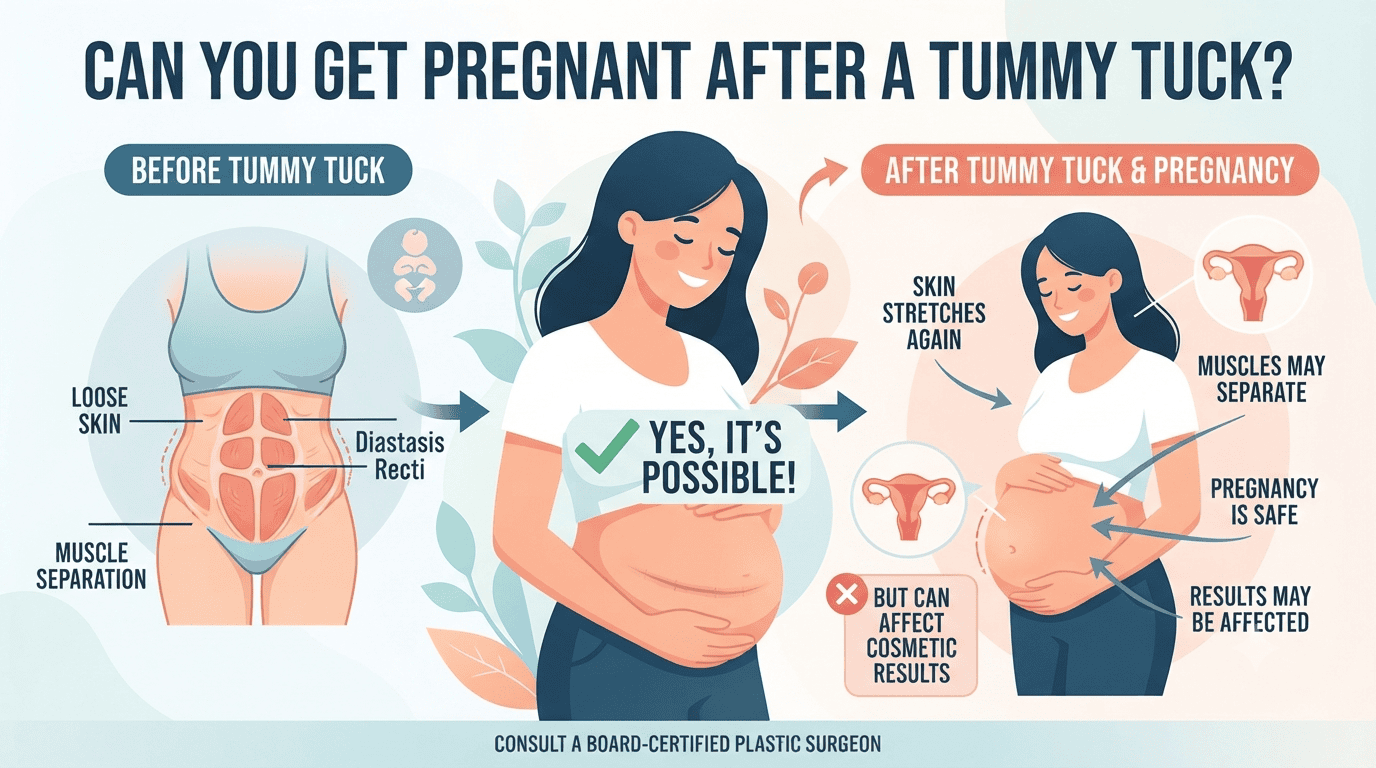
A tummy tuck, also known as abdominoplasty, is one of the most popular body contouring procedures for women who want to restore a flatter and firmer abdomen after pregnancy, significant weight loss, or aging-related changes.
One of the most common questions women ask during consultation is:
“Can I get pregnant after a tummy tuck?”
The simple answer is:
Yes, you can absolutely get pregnant after a tummy tuck.
A tummy tuck does not affect your reproductive organs, fertility, menstrual cycle, or ability to conceive. However, pregnancy after a tummy tuck can impact the cosmetic results of the surgery, which is why most plastic surgeons recommend completing your family before undergoing the procedure.
In this guide, we’ll explain what happens if you become pregnant after a tummy tuck, whether it is safe, how it affects your results, and what women should know before making a decision.
Table of Contents
- Quick Answer
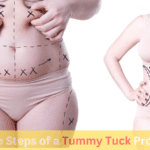
- Understanding What a Tummy Tuck Actually Does
- Why Women Consider a Tummy Tuck After Pregnancy
- Is It Safe to Get Pregnant After a Tummy Tuck?
- What Happens to Your Tummy Tuck Results During Pregnancy?
- Can Abdominal Muscles Separate Again?
- Can Excess Skin Return?
- What I Tell My Patients During Consultation
- Common Mistakes Patients Make
- When Is the Best Time to Have a Tummy Tuck?
- What If You Become Pregnant Unexpectedly After a Tummy Tuck?
- Can You Have Another Tummy Tuck After Pregnancy?
- Recovery Protocol Followed at Our Centre
- Who May Want to Delay a Tummy Tuck?
- Safety Checklist Before Considering a Tummy Tuck
- Before-and-After Example
- Frequently Asked Questions
- Final Thoughts
- References
- Related Procedures
Quick Answer
Yes, pregnancy is possible after a tummy tuck.
The procedure does not involve:
- The uterus
- Ovaries
- Fallopian tubes
- Hormonal function
- Fertility
However, pregnancy can stretch the skin and abdominal muscles again, potentially affecting the results achieved through surgery.
Understanding What a Tummy Tuck Actually Does
Many people mistakenly believe a tummy tuck involves internal organs or reproductive structures.
In reality, a tummy tuck focuses on:
- Removing excess abdominal skin
- Tightening separated abdominal muscles
- Improving abdominal contour
- Reducing loose tissue after pregnancy or weight loss
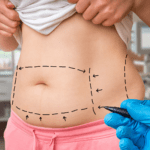
The surgery is performed on the abdominal wall and overlying tissues.
Your reproductive organs remain untouched.
This is why a tummy tuck does not prevent future pregnancies.
Why Women Consider a Tummy Tuck After Pregnancy
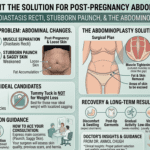
Pregnancy can create changes that often do not improve despite exercise and healthy eating.
Common concerns include:
- Loose abdominal skin
- Stretch marks
- Muscle separation (diastasis recti)
- Persistent abdominal bulging
- Excess lower abdominal tissue
Many women find that despite reaching their ideal weight, their abdomen never returns to its pre-pregnancy appearance.
A tummy tuck can address these concerns and restore a firmer, flatter abdominal profile.
Is It Safe to Get Pregnant After a Tummy Tuck?
In most cases, yes.
From a medical standpoint, pregnancy after a tummy tuck is generally considered safe for both mother and baby.
The abdominal tissues naturally stretch during pregnancy to accommodate the growing uterus.
Even after muscle tightening, the body can adapt to pregnancy.
However, every patient is unique, and women planning future pregnancies should discuss their plans during consultation.
Also Read: Can you breastfeed after a breast reduction surgery? Ask your Plastic Surgeon
What Happens to Your Tummy Tuck Results During Pregnancy?
This is where the most important consideration lies.
Although pregnancy is safe after a tummy tuck, it can affect the aesthetic results.
As the abdomen expands during pregnancy:
- Skin stretches
- Muscles may separate again
- New stretch marks may develop
- Abdominal fullness returns
The degree of change varies significantly between individuals.
Some women experience minimal changes.
Others may notice a significant loss of their surgical results.
Can Abdominal Muscles Separate Again?
Yes.
One of the major components of a tummy tuck is repairing separated abdominal muscles.
Pregnancy places pressure on these muscles as the uterus expands.
In some women, the muscles remain relatively stable.
In others, separation can recur.
This depends on factors such as:
- Number of pregnancies
- Baby size
- Genetics
- Tissue quality
- Weight gain during pregnancy
Can Excess Skin Return?
Potentially, yes.
Pregnancy stretches the skin to accommodate the growing baby.
Women with excellent skin elasticity may experience minimal changes.
Women with poorer skin quality may develop:
- Loose skin
- Wrinkling
- New stretch marks
This is one reason many surgeons recommend postponing a tummy tuck until childbearing is complete.
What I Tell My Patients During Consultation
One of the most important discussions during tummy tuck consultations involves future pregnancy plans.
I often explain to patients:
A tummy tuck does not prevent pregnancy, but pregnancy can partially reverse the cosmetic improvements achieved by surgery.
For women who are certain they have completed their families, a tummy tuck often provides long-lasting benefits.
For women planning additional pregnancies in the near future, postponing surgery may be the better option.
Every decision should be individualized based on personal goals and family planning considerations.
Common Mistakes Patients Make
Underestimating Future Pregnancy Plans
Some patients undergo a tummy tuck believing they are finished having children, only to change their plans later.
While pregnancy remains possible, understanding the potential impact on results is important before surgery.
Assuming Results Will Remain Unchanged
Many patients assume that because they already had muscle tightening, pregnancy will not affect the abdomen.
Unfortunately, pregnancy can still stretch both skin and muscles.
Choosing Surgery Too Soon After Childbirth
Another common mistake is pursuing surgery before the body has fully recovered from pregnancy.
Many postpartum changes continue improving for several months after delivery.
Allowing sufficient recovery time helps optimize surgical outcomes.
When Is the Best Time to Have a Tummy Tuck?
Most surgeons recommend waiting until:
- You have completed childbearing
- Your weight is stable
- Postpartum recovery is complete
- Breastfeeding has ended
- You can maintain a healthy lifestyle
This approach helps maximize long-term results.
What If You Become Pregnant Unexpectedly After a Tummy Tuck?
This situation occurs more often than many people realize.
If you become pregnant after a tummy tuck:
- Inform your obstetrician about your surgical history
- Continue regular prenatal care
- Follow pregnancy recommendations as advised
In most cases, pregnancy proceeds normally.
The primary concern is usually preservation of cosmetic results rather than safety.
Also Read: Healing After Motherhood: The True Purpose of a Tummy Tuck
Can You Have Another Tummy Tuck After Pregnancy?
Yes.
If pregnancy significantly alters the abdomen after a previous tummy tuck, revision surgery may be considered.
Depending on the changes, treatment options may include:
- Revision tummy tuck
- Mini tummy tuck
- Liposuction
- Muscle repair
The appropriate approach depends on the degree of change following pregnancy.
Recovery Protocol Followed at Our Centre
For women considering tummy tuck surgery, our consultation process includes a detailed discussion regarding:
- Future pregnancy plans
- Weight stability
- Lifestyle factors
- Recovery expectations
- Long-term maintenance of results
This helps patients make informed decisions that align with both their aesthetic goals and future family plans.
Who May Want to Delay a Tummy Tuck?
A tummy tuck may not be the best immediate option for women who:
- Are actively trying to conceive
- Plan another pregnancy within the next few years
- Have recently delivered a baby
- Are still experiencing significant weight fluctuations
- Have not completed breastfeeding
In these situations, waiting often leads to more durable long-term results.
Safety Checklist Before Considering a Tummy Tuck
✔ Family planning is complete or well understood
✔ Weight is stable
✔ Overall health is good
✔ Realistic expectations are established
✔ Recovery time is available
✔ Future pregnancy plans have been discussed with your surgeon
✔ Long-term lifestyle habits support maintenance of results
Before-and-After Example
Consider two patients with similar abdominal concerns.
Patient A undergoes a tummy tuck after completing her family and maintaining a stable weight.
Patient B undergoes a tummy tuck and becomes pregnant one year later.
While both may initially achieve excellent results, Patient B is more likely to experience stretching of the abdomen during pregnancy, potentially reducing some of the surgical improvements.
This does not mean surgery was unsuccessful, it simply reflects the natural changes pregnancy places on the body.
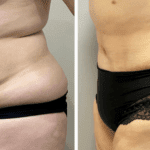
Real Patient Result After Tummy Tuck
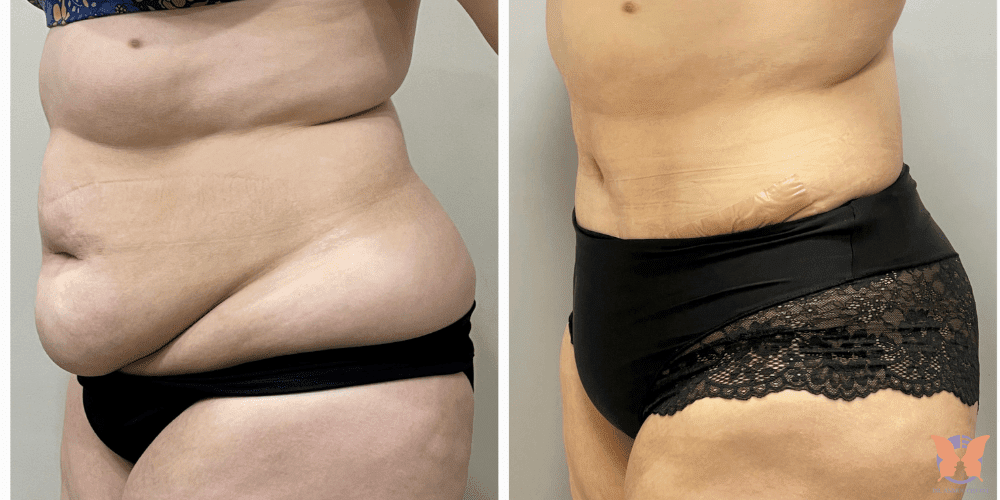
See More Real Tummy Tuck Patient Results in Our Before & After Gallery.
Frequently Asked Questions
1. Can I safely become pregnant after a tummy tuck?
Yes. A tummy tuck does not affect your uterus, ovaries, fertility, or ability to carry a healthy pregnancy. However, pregnancy may stretch the abdominal skin and muscles again, which can affect the cosmetic results of your surgery.
2. Will pregnancy ruin my tummy tuck results?
Not necessarily. Some women experience only minor changes, while others develop loose skin, muscle separation, or abdominal fullness again. The extent of change depends on factors such as skin quality, weight gain during pregnancy, genetics, and the size of the baby.
3. How long should I wait after pregnancy before having a tummy tuck?
Most plastic surgeons recommend waiting until your body has fully recovered, your weight has stabilized, breastfeeding has ended, and you have completed your family whenever possible.
4. Can I have another tummy tuck after pregnancy?
Yes. If pregnancy significantly changes your abdominal contour after a previous tummy tuck, revision surgery or other body contouring procedures may be considered after a detailed evaluation.
5. Does a tummy tuck improve stretch marks?
A tummy tuck removes the excess skin from the lower abdomen, so stretch marks located within that skin are also removed. However, stretch marks outside the area of skin removal will remain.
6. Will my abdominal muscles separate again during pregnancy?
They can. Pregnancy places natural pressure on the abdominal wall, and in some women, muscle separation (diastasis recti) may recur despite previous muscle repair.
7. Is a tummy tuck a substitute for exercise after pregnancy?
No. A tummy tuck improves loose skin and weakened abdominal tissues but does not replace regular exercise, healthy eating, or long-term weight management.
8. Who is the ideal candidate for a tummy tuck?
The best candidates are women who have completed childbearing, maintain a stable weight, are in good general health, and have realistic expectations about the procedure and recovery.
Final Thoughts
Yes, you can get pregnant after a tummy tuck.
The procedure does not affect fertility, reproductive health, or your ability to have a healthy pregnancy.
However, future pregnancy can alter the results of the surgery by stretching the skin and abdominal muscles again.
From Dr. Anmol Chugh’s clinical perspective, the best candidates for tummy tuck surgery are women who have achieved a stable weight and are reasonably confident that they have completed their families. This allows them to enjoy the full benefits of the procedure for many years.
If you are considering a tummy tuck surgery but are unsure how a future pregnancy may affect your plans, a personalized consultation can help you understand your options and choose the timing that best suits your goals.
References
- American Society of Plastic Surgeons. Tummy Tuck (Abdominoplasty).
https://www.plasticsurgery.org/cosmetic-procedures/tummy-tuck - American Society of Plastic Surgeons. What You Need to Know About Tummy Tuck Surgery.
https://www.plasticsurgery.org - Matarasso A. Abdominoplasty. Plastic and Reconstructive Surgery. 1991;88(2):289–293.
https://doi.org/10.1097/00006534-199108000-00017 - Nahas FX. An aesthetic classification of the abdomen based on the myoaponeurotic layer. Plastic and Reconstructive Surgery. 2001;108(6):1787–1795.
https://doi.org/10.1097/00006534-200111000-00052 - Lockwood T. High-lateral-tension abdominoplasty with superficial fascial system suspension. Plastic and Reconstructive Surgery. 1995;96(3):603–615.
https://doi.org/10.1097/00006534-199509000-00012 - National Health Service (NHS). Cosmetic Surgery – Abdominoplasty (Tummy Tuck).
https://www.nhs.uk - American Board of Cosmetic Surgery. Tummy Tuck Procedure Guide.
https://www.americanboardcosmeticsurgery.org/procedure-learning-center/body-contouring/tummy-tuck-guide/
Related Procedures
Medically Reviewed By
Dr. Anmol ChughQualifications: MBBS, MS, MCh (Plastic Surgery)
Experience: 16+ Years in Plastic & Aesthetic Surgery
Review Date: 04 Jul 2026
This article has been medically reviewed for accuracy and patient safety.