
Hair Fall & Hair Care: What Every Indian Should Know
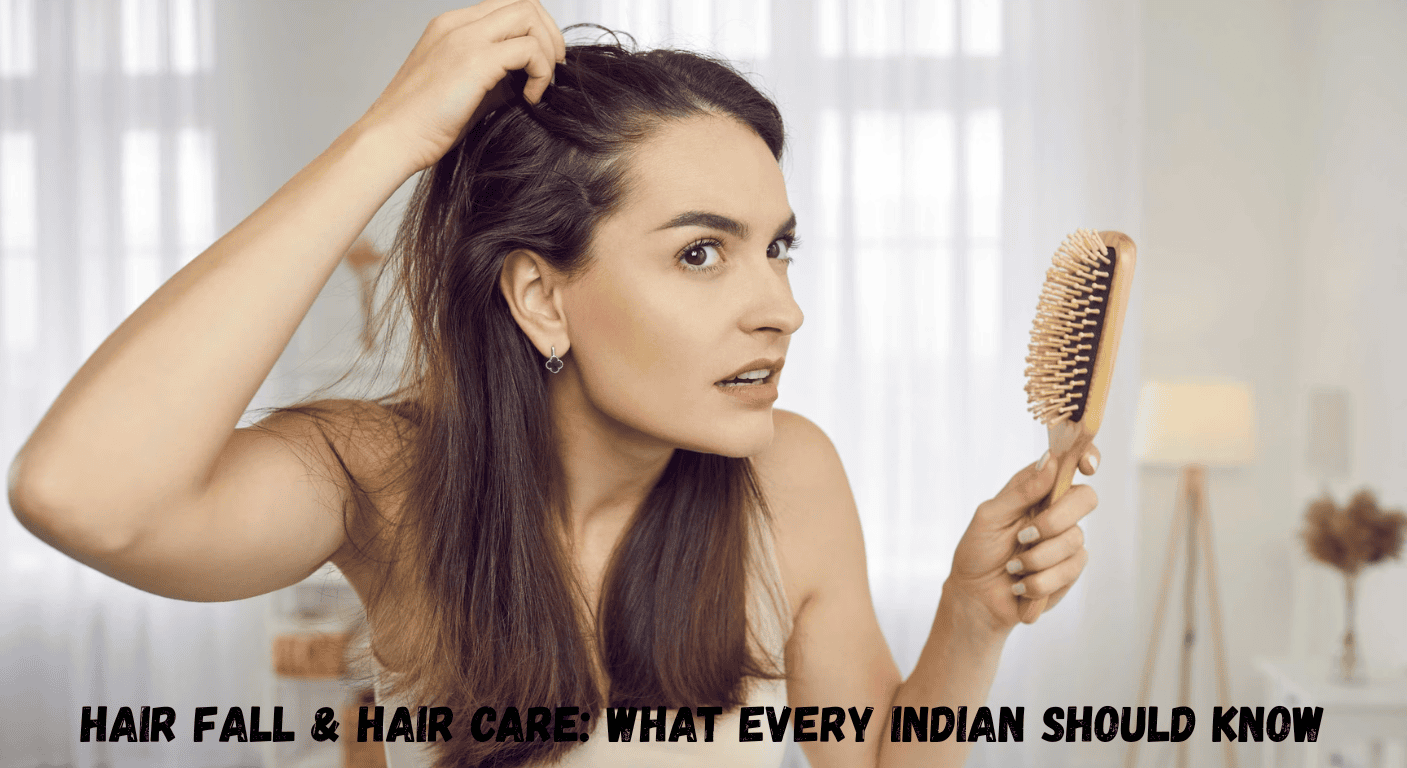
Hair fall is one of the most common concerns seen in plastic surgery and aesthetic clinics. Losing 50–100 hairs per day is completely normal, as hair naturally goes through a cycle of growth, rest, and shedding. (1,2) Hair fall becomes a concern when you notice excessive shedding, widening of the hair parting, thinning of the ponytail, visible scalp, or bald patches.
Hair loss can occur due to several reasons. The most common being genetic (male and female pattern hair loss), hormonal changes post pregnancy and childbirth, or during lactation, nutritional deficiencies (iron, vitamin D, vitamin B12, zinc, and protein), stress, illness, rapid weight loss, thyroid disorders, hormonal disorders like PCOS, certain medications, and scalp conditions like dandruff or fungal infections. (1,2,7) Identifying the underlying cause is the first and most important step before starting treatment.
Healthy hair begins with a healthy body. A balanced diet rich in proteins, green leafy vegetables, fruits, nuts, eggs, dairy products, pulses, and adequate water intake provides the nutrients needed for hair growth. (2,6) Crash dieting and excessive restriction of calories often trigger increased hair shedding.
Hair care practices also play an important role. Wash your scalp regularly using a mild shampoo suited to your scalp type. Conditioning the hair lengths helps reduce dryness and breakage. Avoid excessive heat styling, repeated chemical treatments, and tight hairstyles that continuously pull on the hair roots. (6,7) Wet hair is more fragile, so avoid vigorous rubbing with a towel and aggressive brushing.
Contrary to popular myths, frequent shampooing does not cause hair loss, oiling alone cannot reverse genetic baldness, and shaving the head does not make hair grow back thicker. (1,7) Hair growth depends on the health of the hair follicles rather than the length of the hair shaft.
Table of Contents
Treatment Depends on the Diagnosis
Treatment depends on the diagnosis. Some patients benefit from correcting nutritional deficiencies and improving lifestyle factors. Others may require medical treatments such as topical solutions, oral medications, or procedures like platelet-rich plasma (PRP), low-level laser therapy, or hair transplantation. Hair transplantation is an excellent option for carefully selected patients with stable pattern hair loss but is not suitable for every individual experiencing hair fall. (3,4,5,6)
Early Consultation Offers the Best Chance
Early consultation offers the best chance of preserving existing hair. Delaying treatment may result in permanent miniaturisation of hair follicles, making medical therapy less effective over time. (1,6,7)
Remember, Every Person’s Hair Journey Is Unique
Remember, every person’s hair journey is unique. Avoid self-medication or blindly following social media trends. A proper evaluation by a qualified plastic surgeon or hair restoration specialist can help identify the real cause of hair loss and create a personalised treatment plan.
Healthy Hair Is Not About Miracle Oils or Viral Remedies
Healthy hair is not about miracle oils or viral remedies it is about accurate diagnosis, evidence-based treatment, good nutrition, and consistent care. If you are experiencing persistent hair fall or thinning, seek professional advice early. The sooner the cause is identified, the better the chances of maintaining healthy, natural hair.
References
- StatPearls. Telogen effluvium. In: StatPearls [Internet]. Treasure Island (FL): StatPearls Publishing; 2024. Available from: NCBI Bookshelf.
- European S3 Guideline for Androgenetic Alopecia. Blume-Peytavi U, et al. Evidence-based (S3) guideline for the treatment of androgenetic alopecia in women and in men. J Dtsch Dermatol Ges. 2018.
- Indian Expert Consensus on Androgenetic Alopecia. Mysore V, et al. Expert consensus on the management of androgenetic alopecia in India. Int J Trichology. 2019.
- Guidelines on the Use of Finasteride in Androgenetic Alopecia. Mysore V, Shashikumar BM. Guidelines on the use of finasteride in androgenetic alopecia. Indian J Dermatol Venereol Leprol. 2016.
- Treatment of Androgenetic Alopecia: Current Guidance and Unmet Needs. Kaiser M, et al. Treatment of androgenetic alopecia: Current guidance and unmet needs. Dermatol Ther (Heidelb). 2023.
- Male and Female Pattern Hair Loss. Tamashunas NL, Bergfeld WF. Male and female pattern hair loss: Treatable and worth treating. Cleve Clin J Med. 2021;88(3):173-182.
- Androgenetic Alopecia: An Update. Kaliyadan F, Nambiar A, Vijayaraghavan S. Androgenetic alopecia: An update. Indian J Dermatol Venereol Leprol. 2013;79:613-625.
Author: Dr. Neelanjana Chakraborty
Medically Reviewed By
Dr. Anmol ChughQualifications: MBBS, MS, MCh (Plastic Surgery)
Experience: 16+ Years in Plastic & Aesthetic Surgery
Review Date: 25 Jul 2026
This article has been medically reviewed for accuracy and patient safety.