5 Important Things to Know Before Getting a Tummy Tuck

A tummy tuck, medically known as abdominoplasty, is one of the most effective body contouring procedures for people who have loose abdominal skin, stubborn fat, or weakened abdominal muscles that do not improve with diet and exercise. Pregnancy, major weight loss, and ageing are some of the most common reasons people consider this surgery.
Many patients arrive for their consultation with questions such as:
“Am I the right candidate?”
“How long is the recovery?”
“Will the results last?”
Understanding the procedure before making a decision helps you prepare both physically and mentally for surgery.
In this guide, Dr. Anmol Chugh explains five important things every patient should know before getting a tummy tuck, including who is a suitable candidate, what recovery involves, and how to achieve long-lasting results.
Table of Contents
- Quick Answer
- 1. Understand What a Tummy Tuck Can-and Cannot-Do
- 2. Make Sure You Are the Right Candidate
- 3. Know Which Type of Tummy Tuck You Need
- 4. Recovery Requires Patience
- 5. Long-Term Results Depend on You
- Benefits of a Tummy Tuck
- Possible Risks
- Dr. Anmol Chugh’s Clinical Perspective
- Common Mistakes Patients Make
- Recovery Protocol Followed at Our Centre
- Safety Checklist
- Who May Not Be a Good Candidate?
- What I Tell My Patients During Consultation
- Frequently Asked Questions
- Final Thoughts
- Related Procedures
- References
Quick Answer
Before undergoing a tummy tuck, you should understand:
- What a tummy tuck can and cannot achieve
- Whether you are a suitable candidate
- The recovery process
- The potential benefits and risks
- How healthy lifestyle habits influence long-term results
A consultation with an experienced plastic surgeon helps determine whether abdominoplasty is appropriate for your goals.
1. Understand What a Tummy Tuck Can-and Cannot-Do
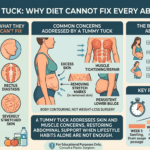
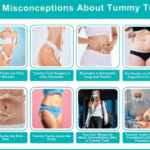
One of the biggest misconceptions is that a tummy tuck is a weight-loss procedure.
It is not.
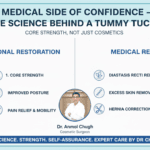
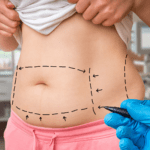
A tummy tuck is designed to improve abdominal contour by:
- Removing excess skin
- Removing localized fat (often combined with liposuction)
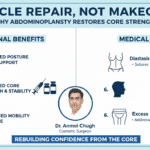
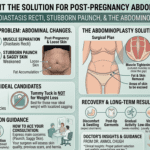
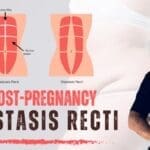
- Tightening separated abdominal muscles (diastasis recti)
- Creating a firmer abdominal profile
However, it is not intended to:
- Treat obesity
- Replace healthy eating
- Replace regular exercise
Patients who are already close to their target weight usually achieve the best outcomes.
2. Make Sure You Are the Right Candidate
A tummy tuck may be suitable if you:
- Have loose abdominal skin
- Have stretched abdominal muscles after pregnancy
- Have excess skin following significant weight loss
- Maintain a stable body weight
- Are in good general health
- Have realistic expectations
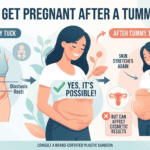
Women planning future pregnancies are usually advised to postpone surgery because pregnancy can stretch the repaired muscles and skin.
Likewise, patients planning major weight loss should generally reach a stable weight before surgery.
3. Know Which Type of Tummy Tuck You Need
Not every patient requires the same operation.
After examining your abdomen, skin quality, muscle separation, and body shape, your surgeon may recommend one of several procedures.
Mini Tummy Tuck
Suitable for patients with mild loose skin below the belly button.
Usually involves:
- Smaller incision
- Limited skin removal
- Shorter recovery
Full Tummy Tuck
The most commonly performed procedure.
It allows:
- Muscle repair
- Removal of excess skin
- Belly button repositioning when required
This is often recommended after pregnancy or moderate weight loss.
Extended Tummy Tuck
Recommended for patients after major weight loss who have loose skin extending toward the hips or flanks.
This procedure addresses a larger treatment area to improve overall body contour.
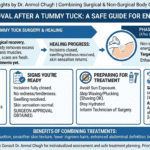
4. Recovery Requires Patience
Recovery is an important part of achieving a good result.
Immediately after surgery, patients can expect:
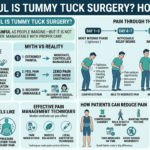
- Mild to moderate discomfort
- Swelling
- Bruising
- Temporary tightness across the abdomen
During the first few weeks, your surgeon may recommend:
- Wearing a compression garment
- Walking regularly to improve circulation
- Avoiding heavy lifting
- Sleeping in a slightly bent position
- Attending scheduled follow-up appointments
Many patients return to desk work within 2–3 weeks, although strenuous activities usually need to be postponed for several weeks.
Final results continue to improve as swelling gradually resolves.
5. Long-Term Results Depend on You
A tummy tuck can provide long-lasting improvement, but maintaining the result requires healthy habits.
To preserve your outcome:
- Maintain a stable weight
- Exercise regularly after recovery
- Eat a balanced diet
- Avoid smoking
- Attend follow-up appointments
Future pregnancy or major weight fluctuations can change abdominal appearance even after successful surgery.
Benefits of a Tummy Tuck
Many patients experience:
- Flatter abdomen
- Improved waistline
- Better posture after muscle repair
- Easier clothing fit
- Removal of excess lower abdominal skin
- Increased confidence
Results vary depending on individual anatomy and lifestyle.
Possible Risks
Like all operations, tummy tuck surgery carries potential risks, including:
- Infection
- Bleeding
- Fluid collection (seroma)
- Delayed wound healing
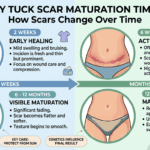
- Scarring
- Temporary numbness
- Blood clots (rare)
Careful patient selection, experienced surgical technique, and following postoperative instructions help reduce these risks.
Dr. Anmol Chugh’s Clinical Perspective
One of the biggest misconceptions I hear is that a tummy tuck is simply about removing loose skin. In reality, successful abdominoplasty involves restoring the abdominal wall, improving body proportions, and creating results that look natural while allowing the patient to move comfortably.
I also remind patients that surgery works best when combined with a healthy lifestyle. A tummy tuck is not a substitute for exercise or good nutrition—it is a procedure that complements the effort patients have already invested in improving their health.
Common Mistakes Patients Make
Having Surgery Before Completing Their Family
Future pregnancy can affect tummy tuck results.
Expecting Major Weight Loss
A tummy tuck is designed for body contouring, not obesity treatment.
Returning to Exercise Too Early
Following recovery guidelines helps reduce complications.
Ignoring Compression Garments
Compression garments help support healing and reduce swelling.
Choosing Surgery Based Only on Cost
Experience, safety, and individualized planning are equally important when selecting a surgeon.
Recovery Protocol Followed at Our Centre
Recovery plans are tailored to every patient.
Our general protocol includes:
- Compression garment use
- Pain management
- Early walking
- Drain care when required
- Gradual return to activities
- Scar management guidance
- Regular follow-up appointments
- Long-term monitoring of healing
Patients receive individualized postoperative instructions based on their procedure.
Safety Checklist
Before surgery:
✔ Stable body weight
✔ Complete medical evaluation
✔ Stop smoking if advised
✔ Discuss medications with your surgeon
✔ Arrange help during early recovery
✔ Follow all preoperative instructions
✔ Attend follow-up appointments
Who May Not Be a Good Candidate?
A tummy tuck may not be appropriate for patients who:
- Plan pregnancy soon
- Have uncontrolled medical conditions
- Smoke heavily without stopping
- Have unrealistic expectations
- Plan significant weight loss after surgery
A consultation helps determine the best timing for treatment.
What I Tell My Patients During Consultation
A tummy tuck is not about achieving perfection, it is about restoring abdominal shape after changes that diet and exercise cannot fully correct.
Every patient’s body is different. My goal is to create natural-looking results that complement the patient’s proportions while ensuring safety remains the highest priority throughout the treatment journey.
Frequently Asked Questions
Is a tummy tuck the same as liposuction?
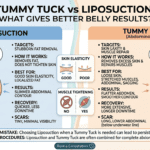
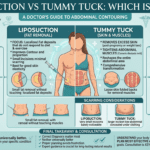
No. Liposuction removes fat, while a tummy tuck removes excess skin and tightens abdominal muscles. Many patients benefit from combining both procedures.
How long do tummy tuck results last?
Results can last for many years if you maintain a stable weight and healthy lifestyle.
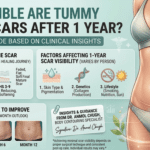
Will I have a scar?
Yes. The incision is usually placed low on the abdomen so it can often be hidden beneath underwear or swimwear.
When can I return to work?
Many patients return to desk work within two to three weeks, depending on their recovery and the nature of their job.
Can pregnancy affect my tummy tuck results?
Yes. Pregnancy can stretch the repaired muscles and skin, which is why surgery is generally recommended after completing your family.
Final Thoughts
A tummy tuck can significantly improve abdominal contour by removing excess skin, tightening weakened muscles, and creating a flatter, firmer abdomen. Understanding what the procedure can realistically achieve, choosing the right time for surgery, and following postoperative instructions all contribute to long-lasting results.
If you are considering abdominoplasty, a personalized consultation can help determine whether the procedure is appropriate for your anatomy, lifestyle, and aesthetic goals. Careful planning, realistic expectations, and a commitment to maintaining a healthy lifestyle are key to achieving safe, natural-looking, and long-lasting results.
Related Procedures
References
- American Society of Plastic Surgeons (ASPS). Tummy Tuck (Abdominoplasty).
https://www.plasticsurgery.org/cosmetic-procedures/tummy-tuck - The Aesthetic Society. Abdominoplasty Patient Guide.
https://www.theaestheticsociety.org/procedures/body/abdominoplasty - American Board of Cosmetic Surgery. Tummy Tuck Surgery Guide.
https://www.americanboardcosmeticsurgery.org/procedure-learning-center/body-contouring/tummy-tuck-guide/ - International Society of Aesthetic Plastic Surgery (ISAPS). Patient Safety Resources.
https://www.isaps.org/ - Nahas FX. An Abdominal Wall Classification System for Abdominoplasty. Plastic and Reconstructive Surgery.
- Matarasso A. Abdominoplasty Techniques and Outcomes. Plastic and Reconstructive Surgery.
- American College of Obstetricians and Gynecologists (ACOG). Postpartum Abdominal Muscle Separation Resources.
https://www.acog.org/
Medically Reviewed By
Dr. Anmol ChughQualifications: MBBS, MS, MCh (Plastic Surgery)
Experience: 16+ Years in Plastic & Aesthetic Surgery
Review Date: 25 Oct 2024
This article has been medically reviewed for accuracy and patient safety.