Post Pregnancy Loose Skin: Complete Treatment Guide

Pregnancy is a remarkable journey that brings lasting changes to a woman’s body. While many of these changes gradually improve after delivery, one concern that often persists is loose, sagging skin, especially around the abdomen. Despite consistent efforts with diet, exercise, and self-care, many women find that their skin does not return to its pre-pregnancy firmness.
This can be both physically and emotionally challenging, particularly when expectations of “bouncing back” do not align with reality. The question most women ask is: “What can actually fix post-pregnancy loose skin?”
The answer depends on understanding the underlying causes and choosing the right treatment based on severity. This guide is based on clinical insights and experience from Dr. Anmol Chugh, who specializes in post-pregnancy body contouring and offers both non-surgical and surgical solutions tailored to individual needs.
In my clinical practice, I often meet mothers who feel frustrated despite doing everything “right” from diet to exercise, but still struggle with loose skin. Once they understand the structural reason behind it, they are able to make more confident and informed treatment decisions.
What Causes Loose Skin After Pregnancy?
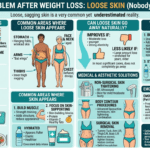
Loose skin after pregnancy is primarily the result of prolonged stretching of the skin and underlying tissues.
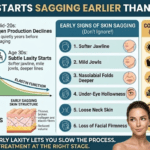
As the baby grows, the abdominal skin expands beyond its normal capacity. This stretching affects collagen and elastin, the proteins responsible for skin firmness and elasticity. Once these fibers are weakened, the skin may not fully retract after delivery.
In addition to skin changes, factors such as weight gain, hormonal fluctuations, and muscle separation contribute to the overall appearance of a loose abdomen.
Why Doesn’t Skin Tighten Naturally?
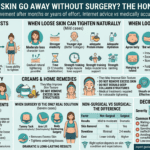
While the body has a natural ability to recover, this process has limitations.
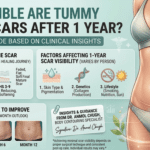
In mild cases, the skin may gradually tighten over several months. However, when the stretching has been significant or repeated across multiple pregnancies, the loss of elasticity becomes permanent.
Age, genetics, and lifestyle factors also influence how well the skin recovers. According to Dr. Anmol Chugh, many patients underestimate the structural nature of this issue and rely on methods that cannot fully address it.
Types of Post-Pregnancy Loose Skin
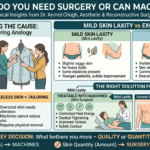
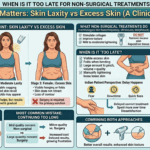
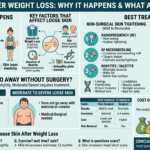
Mild Loose Skin
This involves slight laxity without significant sagging. The skin still retains some elasticity and may improve with time and non-surgical treatments.
Moderate Loose Skin
In this stage, the skin appears visibly loose with mild folds or wrinkling. Natural recovery is limited, and medical treatments may be required for noticeable improvement.
Severe Loose Skin
This includes hanging or excess skin, often seen after multiple pregnancies or significant weight changes. In such cases, non-surgical treatments are usually insufficient.
Also read: Healing After Motherhood: The True Purpose of a Tummy Tuck
Non-Surgical Treatments for Loose Skin
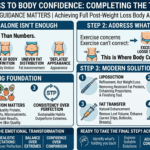
Non-surgical treatments are suitable for women with mild to moderate skin laxity who prefer minimal downtime.
Radiofrequency (RF) Skin Tightening
RF-based treatments use heat energy to stimulate collagen production, leading to gradual tightening of the skin. These procedures are safe, non-invasive, and require little to no recovery time.
👉 Explore skin tightening treatments here
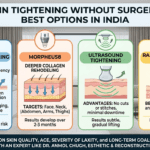
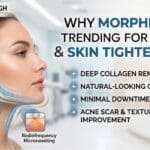
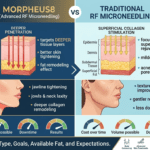
RF Microneedling (Morpheus8)
This advanced treatment combines microneedling with radiofrequency energy to target deeper layers of the skin. It improves both skin texture and firmness, making it effective for moderate cases.
Fat Reduction Treatments
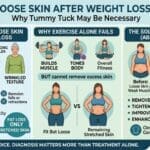
In cases where loose skin is combined with stubborn fat, non-invasive fat reduction technologies can help improve overall contour.
However, it is important to understand that these treatments do not remove excess skin, and results are usually gradual.
Minimally Invasive Options
For patients who need more noticeable results but want to avoid major surgery, minimally invasive procedures offer a middle ground.
Technologies such as BodyTite use internal radiofrequency energy to tighten skin and reduce fat through small entry points. These procedures provide better results than surface treatments while maintaining relatively minimal scarring and downtime.
👉 Learn more about body contouring and liposuction options
Surgical Treatment: The Most Effective Solution
For moderate to severe loose skin, surgical treatment remains the most effective option.
Tummy Tuck (Abdominoplasty)
A tummy tuck addresses all major concerns associated with post-pregnancy changes:
- Removes excess skin
- Tightens abdominal muscles
- Improves overall contour
👉 Read more about tummy tuck surgery
This comprehensive approach is why it is considered the gold standard for significant loose skin correction.
In clinical practice, Dr. Anmol Chugh emphasizes that properly selected patients often achieve dramatic and long-lasting results through surgical treatment.
Also read: Tummy Tuck: Is it the solution to a problem that females might face post pregnancy?
Comparing Treatment Options
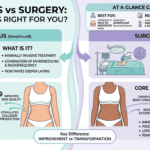
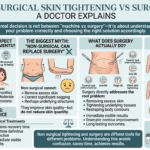
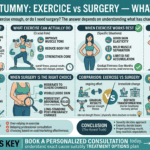
The choice between non-surgical and surgical treatments depends on the severity of the condition and patient expectations.
Non-surgical methods are best for early-stage concerns and provide gradual improvement. Minimally invasive options offer moderate enhancement with limited downtime. Surgical procedures deliver the most significant and immediate results but involve recovery and scarring.
Selecting the right approach requires a balanced understanding of benefits and limitations.
When Should You Start Treatment?
Timing plays a crucial role in post-pregnancy recovery.
It is generally recommended to allow the body sufficient time to heal naturally after delivery. Most natural improvement occurs within the first 3 to 6 months postpartum.
After this period, if loose skin persists, it is appropriate to consider professional evaluation and treatment planning.
Common Mistakes to Avoid
Many women delay effective treatment due to common misconceptions.
Relying solely on exercise or topical creams is one of the most frequent mistakes, as these methods cannot address structural skin changes. Another mistake is choosing treatments based on cost rather than suitability.
Avoiding professional consultation can also lead to prolonged dissatisfaction and wasted effort.
In my experience, I often see patients who have spent months or even years trying non-medical solutions before seeking proper advice. Early evaluation can save both time and frustration while leading to better outcomes.
Emotional Impact and Confidence
Post-pregnancy loose skin is not just a physical concern, it can significantly affect confidence and self-image.
Many women feel discouraged when their body does not respond to their efforts. Understanding that these changes are natural and often require targeted solutions can help shift the focus toward effective treatment rather than frustration.
Conclusion
Post-pregnancy loose skin is a common and natural outcome of the body’s adaptation during pregnancy. While mild cases may improve over time, moderate to severe loose skin often requires medical or surgical intervention for meaningful results.
The key to successful treatment lies in understanding the severity of the condition and choosing the right approach accordingly. With expert guidance from Dr. Anmol Chugh, patients can achieve results that are both natural and long-lasting.
Book a Consultation
If you are struggling with loose skin after pregnancy and are unsure about your options, a personalized consultation can help you make an informed decision.
You will be able to:
- Understand your condition in detail
- Explore suitable treatment options
- Plan the most effective solution
👉 Book your consultation here:
Medically Reviewed By
Dr. Anmol ChughQualifications: MBBS, MS, MCh (Plastic Surgery)
Experience: 16+ Years in Plastic & Aesthetic Surgery
Review Date: 24 Apr 2026
This article has been medically reviewed for accuracy and patient safety.