The Hidden Problem After Weight Loss: Loose Skin Nobody Prepared You For

Losing weight is one of the most empowering transformations a person can go through. Whether it’s through disciplined diet, exercise, or medical guidance, the results often bring better health, improved confidence, and a renewed outlook on life.
But there’s a side of weight loss that isn’t talked about enough – loose, sagging skin.
Many people expect a toned, sculpted body after shedding kilos. Instead, they’re surprised to find excess skin that doesn’t match their hard work. If you’ve experienced this, you’re not alone, and more importantly, it’s completely normal.
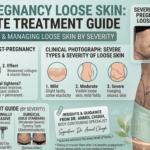
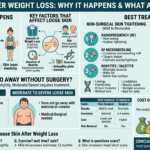
Why Does Loose Skin Happen After Weight Loss?
Skin Stretching Over Time
Your skin is incredibly elastic, but it has limits.
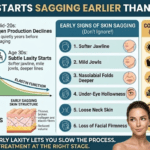
When your body carries excess weight for a prolonged period, the skin stretches to accommodate that size. Over time, the supportive fibers, collagen, and elastin, get weakened.
After weight loss, especially significant weight loss:
- The “stretched-out” skin doesn’t fully shrink back
- It loses its ability to snap into place
Rapid Weight Loss Makes It Worse
The speed of your weight loss matters.
If you lose weight quickly:
- Skin doesn’t get enough time to adjust
- The result is more visible sagging
This is common in:
- Crash dieting
- Extreme calorie restriction
- Post-bariatric surgery transformations
Age Plays a Big Role
Younger skin has better elasticity. As you age:
- Collagen production decreases
- Skin becomes thinner and less resilient
So, two people losing the same weight may have very different outcomes depending on their age.
Amount of Weight Lost
The more weight you lose, the more likely you are to experience loose skin.
Common areas affected:
- Abdomen (most noticeable)
- Arms
- Thighs
- Chest
- Neck
Genetics & Lifestyle Factors
Your body’s ability to recover also depends on:
- Genetics
- Smoking history
- Sun exposure
- Nutrition
All of these influence how well your skin bounces back.
Also read: Gurugram surgeon shares hidden risks of rapid weight loss with Mounjaro: ‘Faces start looking older than expected…’
Common Areas Where Loose Skin Appears
After weight loss, loose skin tends to show up in predictable areas:
- Stomach: Hanging folds or wrinkled skin
- Arms: “Bat wings” appearance
- Thighs: Inner thigh sagging
- Chest: Deflated or droopy look
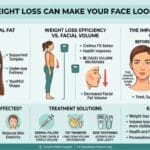
- Face & Neck: Loose, aged appearance
Each area may require a different approach for improvement.
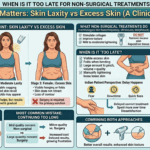
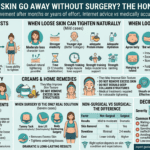
Can Loose Skin Go Away Naturally?
This depends on several factors.
It may improve if:
- Weight loss is moderate
- You’re younger
- Skin elasticity is still strong
It’s less likely to improve if:
- You lost a large amount of weight
- Skin has been stretched for years
- You’re older
In most significant cases, loose skin does not completely go away on its own.
What You Can Do About Loose Skin
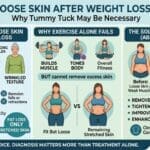
Build Muscle Through Strength Training
Muscle adds structure under the skin:
- Improves body shape
- Reduces the appearance of sagging
While it won’t remove excess skin, it can make a noticeable difference.
Focus on Skin-Supporting Nutrition
Your skin needs the right building blocks:
- Protein (for repair and collagen)
- Vitamin C (collagen synthesis)
- Healthy fats (skin hydration)
Avoid extreme dieting, this worsens skin quality.
Stay Hydrated
Well-hydrated skin appears:
- Fuller
- More elastic
- Healthier
Aim for consistent daily water intake.
Use Targeted Skincare
While creams won’t remove excess skin, they can help:
- Improve texture
- Enhance firmness slightly
Look for:
- Retinoids
- Peptides
- Moisturizers with hyaluronic acid
Also Read: From Ozempic To Lifestyle Science: The Changing Face Of Weight Management
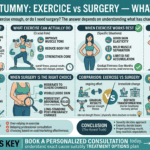
Medical & Aesthetic Solutions
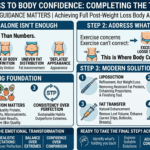
When lifestyle changes aren’t enough, modern treatments can significantly improve or remove loose skin.
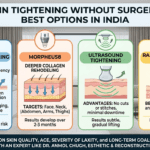
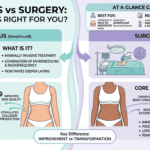
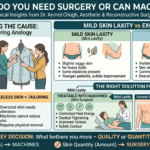
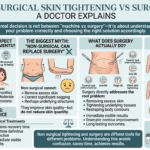
Non-Surgical Skin Tightening
These treatments stimulate collagen production:
- Radiofrequency (RF)
- Ultrasound-based tightening
Best for mild to moderate skin laxity.
Body Contouring Procedures
These focus on reshaping your body after weight loss:
- Advanced liposuction techniques
- Skin tightening combinations
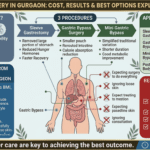
Surgical Skin Removal (Most Effective)
For significant loose skin, surgery is often the most definitive solution.
Procedures include:
These procedures:
- Remove excess skin
- Tighten underlying tissues
- Restore a smoother, firmer contour
Also Read: Fast weight loss trends: Are surgical requests on the rise?
Emotional Impact: The Part Nobody Talks About
Loose skin isn’t just physical; it can affect how you feel.
Many people report:
- Frustration after working so hard
- Hesitation in wearing fitted clothes
- Reduced confidence despite weight loss
It’s important to recognize:
Your effort is still a massive success.
Loose skin doesn’t take that away; it’s simply the next step in your transformation journey.
The Biggest Myth: “If I Just Lose More Weight, It Will Go Away”
This is not true.
Losing more weight can actually:
- Make loose skin worse
- Increase the “deflated” appearance
The solution isn’t more weight loss; it’s the right treatment approach.
Also Read: Ozempic Face Is Real? Why Rapid Weight Loss Is Aging People Faster
Final Thoughts
Loose skin after weight loss is one of the most common yet least discussed realities.
It happens because:
- Skin has been stretched beyond its limits
- Elasticity decreases over time
- Rapid or major weight loss leaves excess tissue behind
The good news?
You have options.
From lifestyle improvements to advanced medical treatments, you can refine your results and achieve the body you envisioned when you started your journey.
Considering a Post-Weight Loss Body Contouring Plan?
If loose skin is holding you back from fully enjoying your transformation, a personalized consultation can help you understand:
- What’s possible naturally
- What treatments suit your body
- What results you can realistically expect
Because your journey doesn’t end with weight loss-
It evolves into becoming the best version of yourself.
Medically Reviewed By
Dr. Anmol ChughQualifications: MBBS, MS, MCh (Plastic Surgery)
Experience: 16+ Years in Plastic & Aesthetic Surgery
Review Date: 31 Mar 2026
This article has been medically reviewed for accuracy and patient safety.