Functional Rhinoplasty: Enhance Your Breathing and Appearance
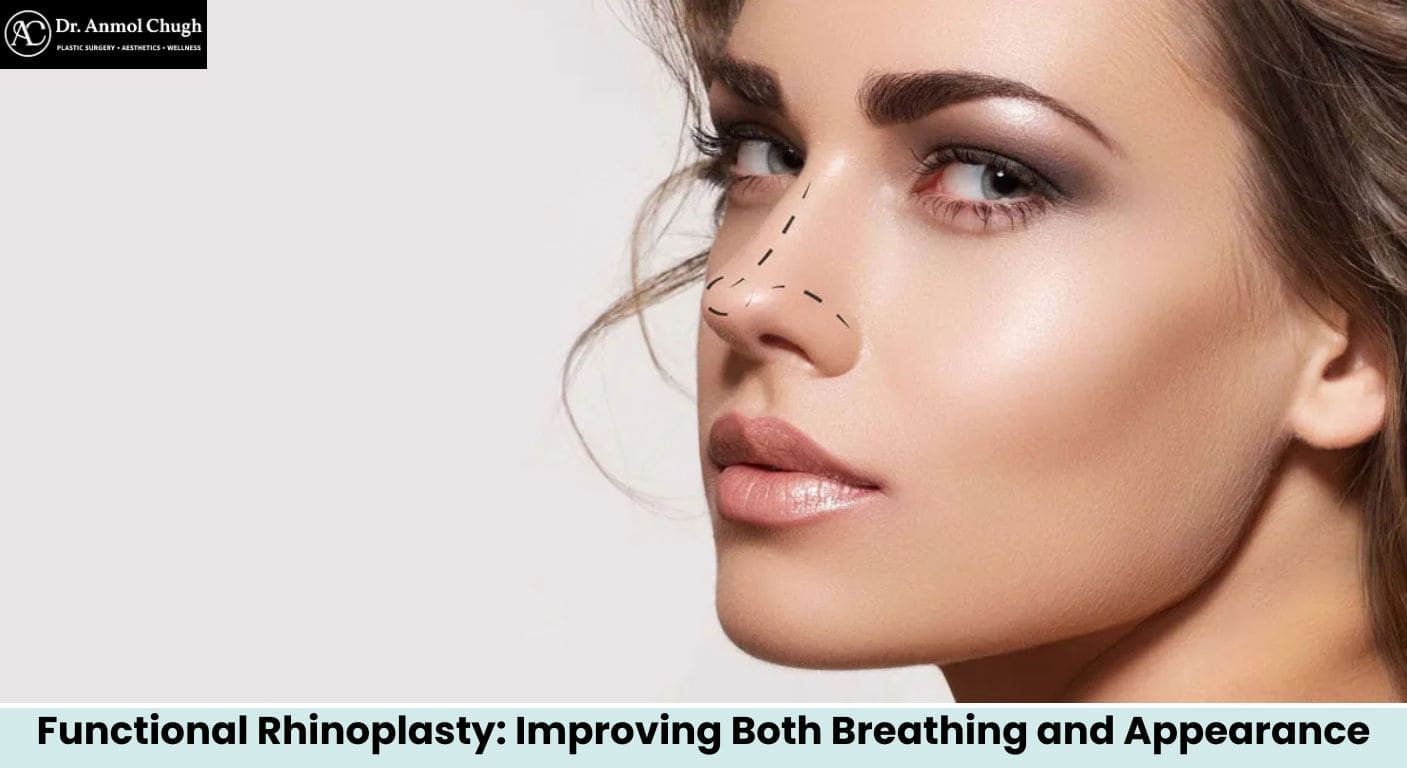
Many people think rhinoplasty is only about changing the shape of the nose. While improving appearance is one reason patients choose surgery, many people have another concern that affects their daily life difficulty breathing through the nose.
You may notice one side of your nose always feels blocked. You may breathe through your mouth while sleeping, snore at night, or struggle to exercise comfortably because your nose doesn’t allow enough airflow.
In these situations, simply changing the appearance of the nose is not enough.
This is where functional rhinoplasty can help.
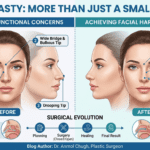
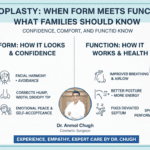
Unlike cosmetic rhinoplasty, functional rhinoplasty aims to improve how the nose works while maintaining or enhancing facial balance. It treats structural problems inside the nose that affect breathing and, when needed, also refines the external appearance.
In this guide, we’ll explain who may benefit from functional rhinoplasty, how the procedure works, and what you can realistically expect from surgery.
Table of Contents
- Quick Answer
- What Is Functional Rhinoplasty?
- Who Needs Functional Rhinoplasty?
- What Causes Poor Nasal Breathing?
- How Does Functional Rhinoplasty Improve Both Breathing and Appearance?
- Dr. Anmol’s Clinical Perspective
- What Is Recovery Like?
- What Are the Risks?
- Who Should Avoid Functional Rhinoplasty?
- What I Tell My Patients During Consultation
- Frequently Asked Questions
- Final Thoughts
Quick Answer
Functional rhinoplasty is a surgical procedure that improves nasal breathing by correcting structural problems such as a deviated septum, nasal valve collapse, or other airway blockages. At the same time, the procedure can improve the shape of the nose to create a more balanced facial appearance.
The goal is not simply to make the nose look better but to help it function better.
What Is Functional Rhinoplasty?
Functional rhinoplasty is performed to restore normal airflow through the nose.
Instead of focusing only on appearance, the surgery corrects internal nasal structures that prevent comfortable breathing.
Depending on the patient’s condition, surgery may involve correcting:
- Deviated nasal septum
- Nasal valve collapse
- Previous nasal injury
- Structural deformities
- Congenital nasal abnormalities
Many patients also choose to improve the external appearance of the nose during the same procedure.
Combining both goals often avoids the need for separate surgeries.
Who Needs Functional Rhinoplasty?
You may benefit from functional rhinoplasty if you experience:
- Difficulty breathing through one or both nostrils
- A blocked nose that does not improve with medication
- Mouth breathing, especially during sleep
- Snoring related to nasal obstruction
- Previous nasal injury affecting breathing
- A crooked nose associated with breathing difficulty
- Reduced airflow during exercise
Some patients have lived with these symptoms for years without realising that a structural problem inside the nose is responsible.
What Causes Poor Nasal Breathing?
Several conditions can reduce airflow through the nose.
Deviated Septum
The nasal septum divides the nose into two passages.
When it becomes significantly bent or displaced, one side of the nose may become narrower, making breathing difficult.
A deviated septum may develop naturally or after an injury.
Nasal Valve Collapse
The nasal valve is the narrowest part of the airway.
If this area becomes weak or collapses while breathing, airflow becomes restricted.
Patients often notice that breathing becomes more difficult during exercise or deep inhalation.
Enlarged Turbinates
Turbinates are normal structures inside the nose that help warm and humidify the air you breathe.
When they become enlarged because of allergies or chronic inflammation, they may partially block the airway.
Previous Nasal Injury
A sports injury, accident, or previous fracture can change both the appearance and internal structure of the nose.
Even if the nose healed naturally, the airflow may remain compromised.
How Does Functional Rhinoplasty Improve Both Breathing and Appearance?
One of the advantages of functional rhinoplasty is that it allows the surgeon to address both medical and cosmetic concerns during a single operation.
Depending on your needs, surgery may include:
- Straightening a deviated septum
- Supporting weakened nasal valves
- Improving airflow
- Correcting external asymmetry
- Refining the nasal bridge or tip when appropriate
The goal is to create a nose that not only looks balanced but also functions efficiently.
A natural appearance should never come at the expense of breathing.
Dr. Anmol’s Clinical Perspective
Many patients tell me,
“Doctor, I want my nose to look better, but I also can’t breathe properly.”
This is more common than most people realise.
A successful functional rhinoplasty is not simply about creating a smaller or straighter nose.
Every change made to the outside of the nose should respect the internal structures that allow normal airflow.
In some cases, making the nose smaller without supporting the airway can actually worsen breathing.
That is why careful surgical planning is essential.
The best outcome is achieved when appearance and function improve together, allowing patients to breathe comfortably while maintaining natural facial harmony.
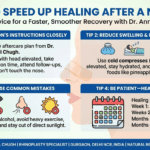
What Is Recovery Like?
Recovery after functional rhinoplasty is similar to recovery after cosmetic rhinoplasty, although every patient’s healing is different.
Most patients experience:
- Mild swelling around the nose
- Bruising around the eyes
- Temporary nasal congestion
- Mild discomfort for the first few days
A nasal splint is usually worn for about 7–10 days to protect the new nasal structure while it begins to heal.
Most patients can return to desk work within 7–10 days, while strenuous exercise should usually be avoided for 4–6 weeks.
Although breathing often improves early in recovery, internal swelling can temporarily affect airflow. Final breathing improvement and the final shape of the nose continue to develop over several months.
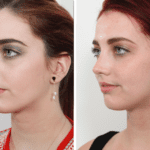
Real Patient Result After Rhinoplasty
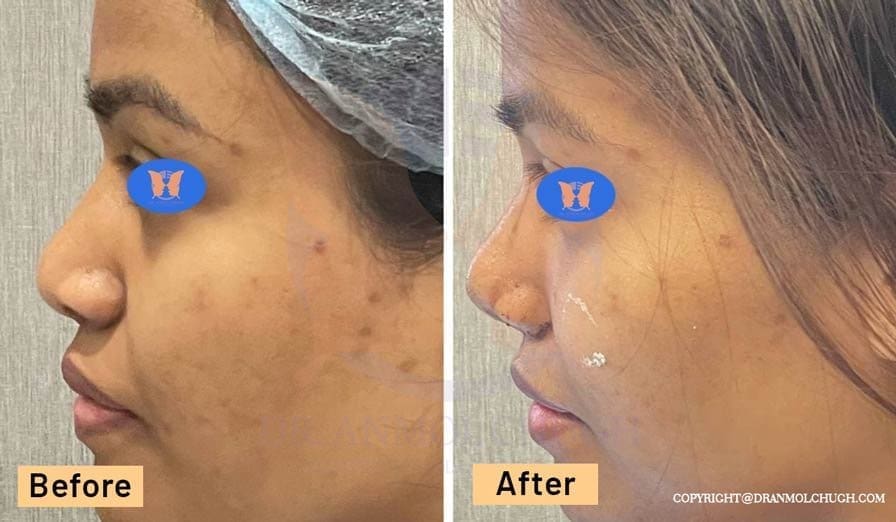
See More Real Rhinoplasty Surgery Patient Results in Our Before & After Gallery.
What Are the Risks?
Like any surgical procedure, functional rhinoplasty carries potential risks.
Possible complications include:
- Bleeding
- Infection
- Temporary swelling
- Bruising
- Delayed wound healing
- Temporary numbness around the nose
- Persistent nasal obstruction (rare)
- Need for revision surgery in selected cases
Fortunately, these complications are uncommon when surgery is carefully planned and performed by an experienced plastic surgeon.
Discussing these risks before surgery allows patients to make informed decisions and prepares them for a normal recovery.
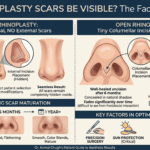
Also Read: Rhinoplasty Scars: Are They Visible After Surgery?
Who Should Avoid Functional Rhinoplasty?
Not everyone with a blocked nose requires surgery.
Treatment may be delayed or alternative options may be recommended if you:
- Have an active nasal or sinus infection
- Have uncontrolled medical conditions
- Have unrealistic expectations about cosmetic results
- Smoke and are unwilling to stop before surgery
- Have breathing problems caused mainly by allergies that respond well to medical treatment
A thorough examination helps identify whether surgery or medical management is the most appropriate option.
What I Tell My Patients During Consultation
One of the most important conversations I have with patients is about expectations.
Many people believe that functional rhinoplasty is either a breathing operation or a cosmetic operation.
In reality, it is often both.
I explain that the goal is not to create a fashionable nose or copy someone else’s appearance.
Instead, the surgery should:
- Improve breathing
- Preserve normal nasal function
- Maintain facial harmony
- Produce a natural-looking result
Every nose is different, and every surgical plan should be customised to the patient’s anatomy and concerns.
Good rhinoplasty is about balance not dramatic change.
Frequently Asked Questions
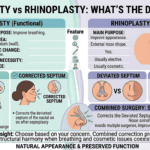
What is the difference between functional rhinoplasty and cosmetic rhinoplasty?
Functional rhinoplasty is performed primarily to improve breathing by correcting structural problems inside the nose. Cosmetic rhinoplasty focuses mainly on improving the external appearance. In many patients, both goals can be achieved during the same operation.
Will functional rhinoplasty change the appearance of my nose?
It can.
If external changes are planned as part of your treatment, the surgeon will discuss them during your consultation. Many patients choose subtle improvements that maintain a natural facial appearance while improving breathing.
How long does recovery take?
Most patients return to office work within 7–10 days.
Swelling continues to improve over several weeks, while the final shape of the nose and complete healing may take several months.
Is functional rhinoplasty painful?
Most patients describe the discomfort as mild rather than severe.
Pain is usually well controlled with prescribed medications, and nasal congestion is often a more noticeable part of early recovery than pain itself.
Can functional rhinoplasty help after a broken nose?
Yes.
If a previous injury has changed the internal structure of the nose and affected breathing, functional rhinoplasty can often improve both airflow and nasal appearance.
Will my breathing improve immediately after surgery?
Some improvement may be noticed once the initial swelling settles.
However, because swelling inside the nose is normal after surgery, the final improvement in breathing develops gradually as healing progresses.
Final Thoughts
A healthy nose should do more than look balanced it should allow you to breathe comfortably every day.
Functional rhinoplasty is designed to restore normal airflow while preserving or improving the natural appearance of the nose. Whether the problem is a deviated septum, nasal valve collapse, or the effects of a previous injury, careful surgical planning can improve both function and facial harmony.
The success of functional rhinoplasty depends not only on correcting the internal structures but also on maintaining the natural support of the nose for long-term breathing and appearance.
If you experience ongoing nasal blockage, difficulty breathing, or are considering rhinoplasty for both medical and cosmetic reasons, a detailed consultation with an experienced plastic surgeon can help you understand your options and choose the most appropriate treatment.
References
- American Society of Plastic Surgeons. Rhinoplasty.
https://www.plasticsurgery.org/cosmetic-procedures/rhinoplasty - American Academy of Otolaryngology–Head and Neck Surgery. Clinical Practice Guideline: Improving Nasal Form and Function after Rhinoplasty.
https://www.entnet.org - Plastic and Reconstructive Surgery. Rohrich RJ, Ahmad J. Rhinoplasty: Navigating Functional and Cosmetic Goals. 2011;128(2):49e–73e.
https://doi.org/10.1097/PRS.0b013e31821e7133 - Facial Plastic Surgery Clinics of North America. Rhee JS, Weaver EM, Park SS, et al. Clinical Consensus Statement: Diagnosis and Management of Nasal Valve Compromise. 2010;18(1):87–96.
https://doi.org/10.1016/j.fsc.2009.09.003 - JAMA Facial Plastic Surgery. Ishii LE, Tollefson TT, Basura GJ, et al. Clinical Practice Guideline: Improving Nasal Form and Function after Rhinoplasty. 2017;19(6):1–38.
https://doi.org/10.1001/jamafacial.2017.0901 - American Board of Cosmetic Surgery. Rhinoplasty Procedure Guide.
https://www.americanboardcosmeticsurgery.org/procedure-learning-center/face/rhinoplasty/
Related Procedures
- Rhinoplasty Surgery
- Septorhinoplasty
- Revision Rhinoplasty
- Facial Plastic Surgery
- Plastic Surgery in Gurgaon
Medically Reviewed By
Dr. Anmol ChughQualifications: MBBS, MS, MCh (Plastic Surgery)
Experience: 16+ Years in Plastic & Aesthetic Surgery
Review Date: 16 Sep 2024
This article has been medically reviewed for accuracy and patient safety.