Skin Tightening After Weight Loss: Available Options
Losing a significant amount of weight is a major achievement. Whether you’ve reached your goal through healthy lifestyle changes, bariatric surgery, or weight-loss medications, you’ve taken an important step toward better health.
However, many people notice a new concern after losing weight: loose or sagging skin.
Excess skin can affect the abdomen, arms, thighs, breasts, face, and neck. It may cause discomfort, skin irritation, difficulty finding well-fitting clothes, and frustration after all the hard work of losing weight.
One of the most common questions patients ask during consultation is:
“Can loose skin tighten on its own after weight loss?”
The answer depends on several factors, including your age, the amount of weight you lost, your skin elasticity, and how long you carried excess weight.
In this guide, Dr. Anmol Chugh explains why loose skin develops after weight loss, the available skin tightening options, and how to determine which treatment may be right for you.
Table of Contents
- Quick Answer
- Why Does Loose Skin Develop After Weight Loss?
- Factors That Affect Skin Tightening
- Areas Most Commonly Affected
- Can Exercise Tighten Loose Skin?
- Non-Surgical Skin Tightening Options
- When Is Surgery the Better Option?
- Can Treatments Be Combined?
- Dr. Anmol Chugh’s Clinical Perspective
- Common Mistakes Patients Make
- Recovery Protocol Followed at Our Centre
- Safety Checklist
- Who Should Not Undergo Body Contouring Surgery?
- What I Tell My Patients During Consultation
- Frequently Asked Questions
- Final Thoughts
Quick Answer
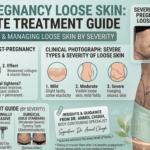
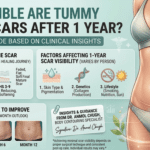
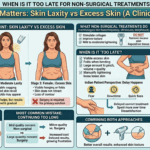
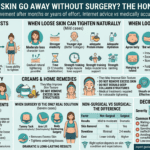
Some mild skin laxity improves naturally over time, especially in younger individuals with good skin elasticity.
However, after major weight loss, excess skin often does not tighten completely on its own.
Available treatment options include:
- Lifestyle measures
- Non-surgical skin tightening treatments
- Body contouring surgery
- Combination treatment plans
The best option depends on the amount of loose skin and your individual goals.
Why Does Loose Skin Develop After Weight Loss?
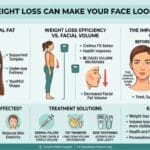
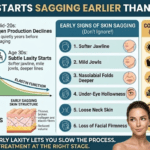
When the body gains weight, the skin stretches to accommodate the increased body size.
If the stretching continues for many years, collagen and elastin fibres gradually weaken.
After weight loss, the body becomes smaller, but the stretched skin may not shrink completely.
This is especially common after:
- Losing more than 20–30 kg
- Bariatric surgery
- Pregnancy with significant weight gain
- Rapid weight loss
- Long-term obesity
Factors That Affect Skin Tightening
Not everyone experiences the same amount of loose skin.
Several factors influence how well the skin contracts.
Age
Younger skin generally contains more collagen and elastin, allowing better natural tightening.
Amount of Weight Lost
Greater weight loss usually results in more excess skin.
Duration of Obesity
Skin that has remained stretched for many years may have reduced elasticity.
Genetics
Some individuals naturally have better skin quality than others.
Smoking
Smoking damages collagen and reduces the skin’s ability to heal and tighten.
Nutrition
Adequate protein, vitamins, and hydration support healthy skin recovery.
Areas Most Commonly Affected
Loose skin may develop in several parts of the body, including:
- Abdomen
- Upper arms
- Thighs
- Breasts
- Buttocks
- Face
- Neck
- Back
Each area may require a different treatment approach.
Can Exercise Tighten Loose Skin?
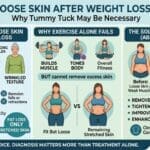
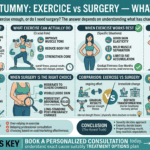
Exercise strengthens muscles but cannot remove excess skin.
Building muscle can improve body shape and provide better support beneath the skin.
However, if excess skin is significant, exercise alone is unlikely to eliminate it.
Maintaining a stable weight remains important regardless of the treatment chosen.
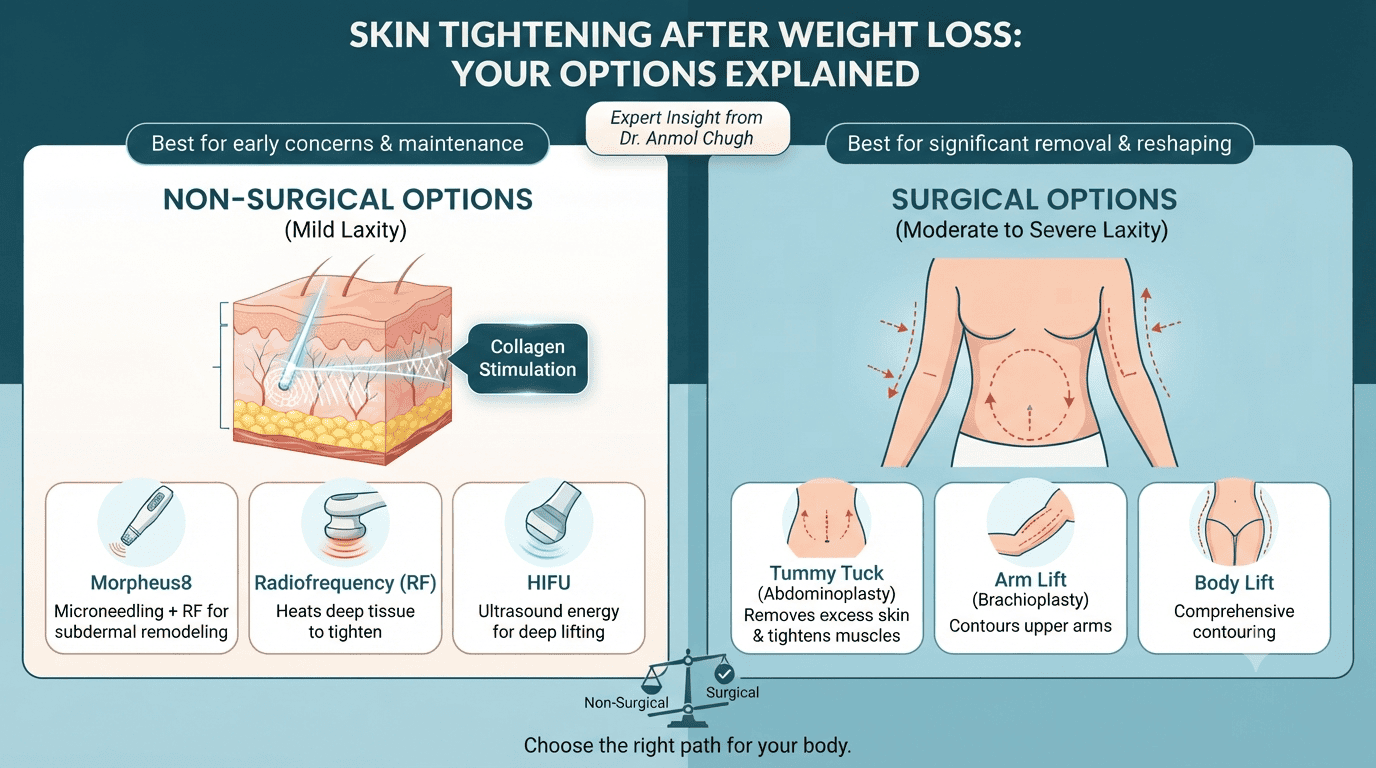
Non-Surgical Skin Tightening Options
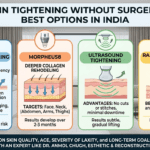
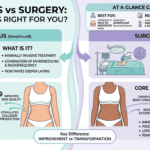
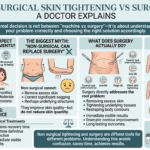
Patients with mild skin laxity may benefit from non-surgical treatments that stimulate collagen production.
Common options include:
Morpheus8
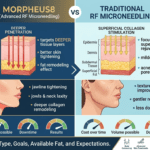
Combines microneedling with radiofrequency energy to improve skin firmness and texture.
Suitable for mild laxity in selected areas.
Radiofrequency (RF) Skin Tightening
Delivers controlled heat into the deeper skin layers to stimulate collagen production.
Gradual improvement occurs over several months.
High-Intensity Focused Ultrasound (HIFU)
Uses ultrasound energy to stimulate collagen beneath the skin.
Often used for facial and neck tightening.
Laser-Based Treatments
Certain fractional laser treatments may improve skin texture and stimulate collagen in selected patients.
When Is Surgery the Better Option?
Patients with moderate to severe excess skin often achieve better results with body contouring surgery.
Unlike non-surgical treatments, surgery physically removes excess skin and reshapes the body.
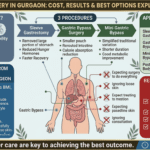
Common procedures include:
Tummy Tuck (Abdominoplasty)
Removes loose abdominal skin and tightens weakened abdominal muscles.
Arm Lift (Brachioplasty)
Removes excess skin from the upper arms.
Thigh Lift
Improves contour by removing loose skin from the inner or outer thighs.
Breast Lift (Mastopexy)
Restores breast shape after weight loss-related volume loss and sagging.
Lower Body Lift
Removes excess skin around the abdomen, hips, buttocks, and lower back after major weight loss.
Can Treatments Be Combined?
Yes.
Many patients benefit from combining surgical and non-surgical treatments.
For example:
- Tummy tuck + Morpheus8
- Arm lift + RF skin tightening
- Breast lift + skin resurfacing
Combination treatment can improve both skin removal and overall skin quality.
Dr. Anmol Chugh’s Clinical Perspective
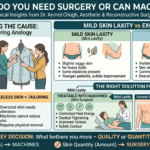
One of the biggest misconceptions I see is that every patient needs surgery after weight loss.
That isn’t true.
Patients with mild skin laxity often achieve good improvement with non-surgical collagen-stimulating treatments.
However, when large amounts of excess skin are present, surgery remains the most predictable way to restore body contour.
The best treatment is always based on the amount of loose skin, your skin quality, your goals, and your overall health.
Common Mistakes Patients Make
Losing Weight Too Quickly
Rapid weight loss may increase the appearance of loose skin in some individuals.
Gradual weight loss allows the body more time to adapt.
Expecting Creams to Remove Loose Skin
Topical creams may improve hydration but cannot remove excess skin.
Choosing Surgery Before Weight Stabilises
Body contouring surgery usually produces better long-term results after your weight has remained stable for several months.
Ignoring Nutrition
Protein and balanced nutrition support healing and collagen production.
Waiting Too Long to Seek Advice
A consultation helps you understand your options before skin concerns become more frustrating.
Recovery Protocol Followed at Our Centre
Recovery depends on the treatment performed.
Our general protocol includes:
- Detailed pre-treatment planning
- Personalized recovery instructions
- Compression garments when appropriate
- Early mobilisation after surgery
- Regular follow-up visits
- Scar care guidance
- Long-term lifestyle recommendations
Each recovery plan is customized according to the procedure.
Safety Checklist
Before treatment:
✔ Reach your goal weight
✔ Maintain a stable weight
✔ Stop smoking if advised
✔ Eat a balanced, protein-rich diet
✔ Discuss your medical history
✔ Choose a qualified plastic surgeon
✔ Follow recovery instructions carefully
Who Should Not Undergo Body Contouring Surgery?
Body contouring surgery may not be appropriate for patients who:
- Continue losing weight
- Have uncontrolled diabetes
- Smoke heavily without stopping
- Have untreated medical conditions
- Have unrealistic expectations
A detailed consultation helps determine the safest timing.
What I Tell My Patients During Consultation
I always remind patients that losing weight is already a tremendous achievement.
Loose skin should never take away from that success.
My role is to help patients understand which concerns may improve naturally and which may benefit from treatment.
Every patient deserves a plan that fits their body rather than a one-size-fits-all approach.
Frequently Asked Questions
Will loose skin tighten naturally after weight loss?
Mild skin laxity may improve naturally, but significant excess skin usually requires treatment.
How long should I wait before surgery?
Most patients are advised to maintain a stable weight for 6 to 12 months before body contouring surgery.
Can Morpheus8 tighten loose skin after major weight loss?
Morpheus8 can improve mild skin laxity but cannot remove large amounts of excess skin.
Is liposuction enough to remove loose skin?
No. Liposuction removes fat, not excess skin. Some patients require skin removal procedures for the best contour.
Which treatment is best for me?
The ideal treatment depends on the location and severity of loose skin, your overall health, and your goals. A personalized consultation is the best way to determine the right approach.
Final Thoughts
Weight loss is an incredible accomplishment, but loose skin can sometimes prevent people from fully enjoying their transformation.
Fortunately, several effective options are available. Mild skin laxity may respond well to collagen-stimulating treatments such as Morpheus8 or radiofrequency, while more significant excess skin often requires body contouring surgery for the best results.
Choosing the right treatment starts with a careful assessment of your skin quality, body shape, and personal goals. During a personalized consultation, Dr. Anmol Chugh can recommend a treatment plan designed to help you complete your weight-loss journey with confidence.
Related Procedures
- Tummy Tuck (Abdominoplasty)
- Arm Lift (Brachioplasty)
- Thigh Lift Surgery
- Breast Lift (Mastopexy)
- Morpheus8 Skin Tightening
- Liposuction Surgery
References
- American Society of Plastic Surgeons. Body Contouring After Major Weight Loss.
https://www.plasticsurgery.org/reconstructive-procedures/body-contouring-after-major-weight-loss - American Society for Metabolic and Bariatric Surgery. Life After Bariatric Surgery.
https://asmbs.org/patients - International Society of Aesthetic Plastic Surgery (ISAPS). Patient Safety Resources.
https://www.isaps.org - Shermak MA. Body contouring following massive weight loss. Plastic and Reconstructive Surgery. 2012;129(4):963–978.
https://doi.org/10.1097/PRS.0b013e3182450b37 - American Board of Cosmetic Surgery. Body Contouring Procedures.
https://www.americanboardcosmeticsurgery.org/procedure-learning-center/body/ - Song AY, Jean RD, Hurwitz DJ, et al. A classification of contour deformities after massive weight loss. Plastic and Reconstructive Surgery. 2005;116(5):1535–1549.
https://doi.org/10.1097/01.prs.0000181652.99081.64 - American Academy of Dermatology. Skin Care After Weight Loss.
https://www.aad.org
Medically Reviewed By
Dr. Anmol ChughQualifications: MBBS, MS, MCh (Plastic Surgery)
Experience: 16+ Years in Plastic & Aesthetic Surgery
Review Date: 23 Jul 2026
This article has been medically reviewed for accuracy and patient safety.