Why Weight Loss Can Make Your Face Look Older
Most people associate weight loss with looking healthier, younger, and more attractive.
And in many cases, that is true.
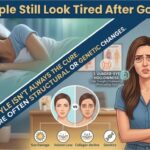
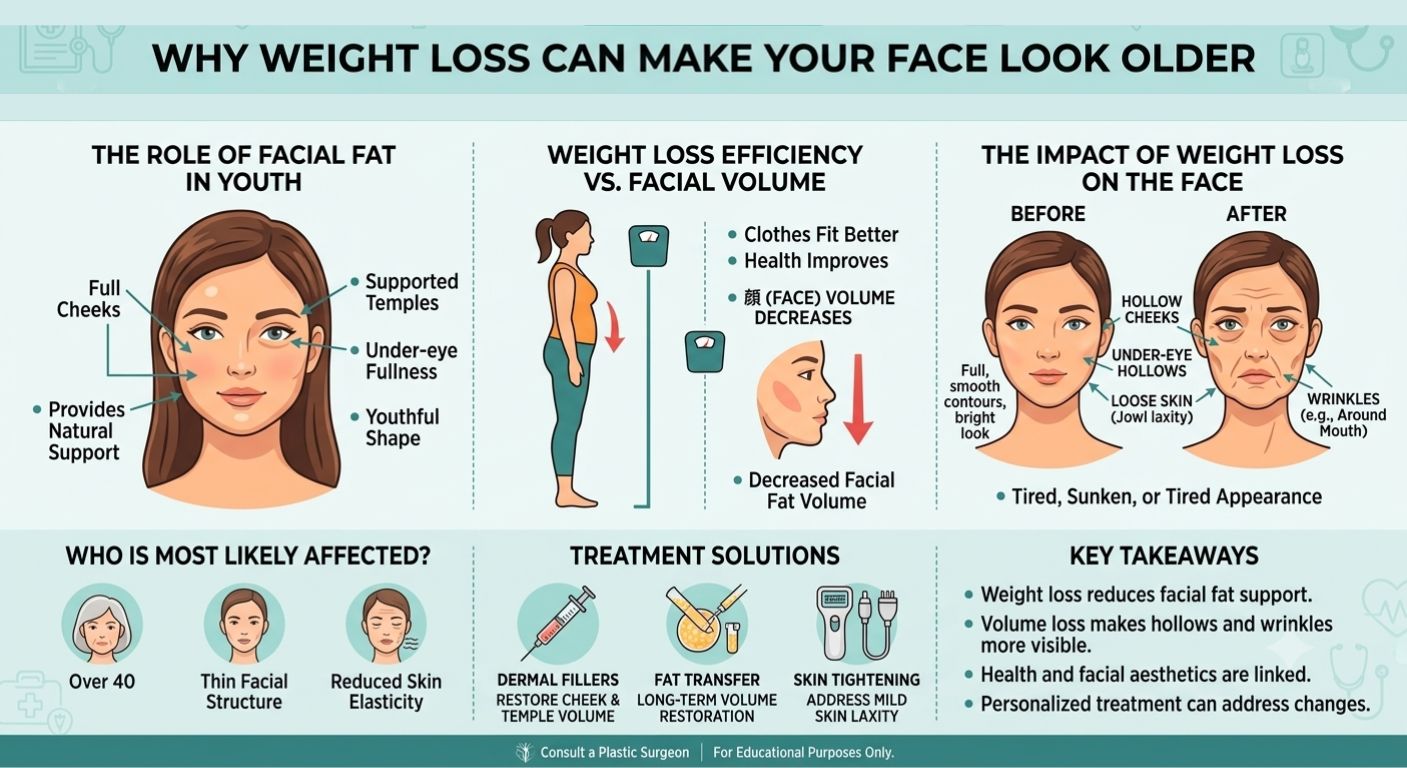
However, some patients notice an unexpected change after losing a significant amount of weight. Their clothes fit better, their health improves, and they feel more confident overall, but when they look in the mirror, their face appears tired, hollow, or older than before.
One of the most common questions I hear during consultation is:
“Doctor, I lost weight. Why does my face suddenly look older?”
The answer is surprisingly simple.
While weight loss reduces excess fat throughout the body, it also reduces facial fat, which plays an important role in maintaining a youthful appearance.
This does not mean weight loss is bad. It simply means that facial aging and weight loss are closely connected, and understanding that relationship can help patients make informed decisions about facial rejuvenation.
Table of Contents
- How Does the Face Change With Age?
- Why Weight Loss Affects Facial Appearance
- Is Facial Fat Always a Bad Thing?
- Who Is Most Likely to Notice Facial Aging After Weight Loss?
- What I Commonly See in My Practice
- Can Weight Loss Cause Loose Facial Skin?
- What Treatments Can Help?
- Who Is a Good Candidate for Facial Rejuvenation After Weight Loss?
- Risks and Possible Complications
- Recovery After Facial Rejuvenation Treatments
- Important Facts Patients Should Know
- Facial Rejuvenation After Weight Loss in Gurgaon and Delhi NCR
- Frequently Asked Questions
How Does the Face Change With Age?
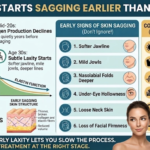
Many people think aging is only about wrinkles.
In reality, facial aging is much more complex.
Research shows that aging involves changes in:
- Skin quality
- Collagen production
- Facial fat volume
- Bone structure
- Muscle activity
- Skin elasticity
A comprehensive review of facial aging highlights that volume loss is one of the most important contributors to an aged appearance. As facial fat decreases, the face may appear hollow, less supported, and more tired.
This is why some people appear older after significant weight loss despite being healthier overall.
Why Weight Loss Affects Facial Appearance
Fat exists throughout the face and provides natural support.
Important areas include:
- Cheeks
- Temples
- Under-eye region
- Jawline
- Around the mouth
When substantial weight loss occurs, some of this facial fat decreases.
As a result, patients may notice:
Hollow Cheeks
Loss of cheek volume can create a sunken appearance.
More Visible Wrinkles
Wrinkles that were previously supported by facial volume may become more noticeable.
Under-Eye Hollows
Volume loss beneath the eyes can make patients look tired even when they are well rested.
Loose Skin
If skin elasticity is reduced, the skin may not fully contract after weight loss.
More Prominent Jowls
Volume changes can affect jawline definition and lower facial contours.
These changes are often more noticeable in patients over the age of 35–40 because natural age-related volume loss may already be occurring.
Is Facial Fat Always a Bad Thing?
Many patients are surprised when I explain that not all facial fat is undesirable.
In aesthetic medicine, youthful faces often have:
- Smooth contours
- Balanced volume
- Soft transitions between facial regions
As aging progresses, volume loss becomes more apparent.
This is why some facial rejuvenation treatments focus on restoring volume rather than simply tightening skin.
The goal is not to make the face look fuller than normal but to restore balance and support.
Who Is Most Likely to Notice Facial Aging After Weight Loss?
Not everyone experiences dramatic facial changes.
However, the effect is often more noticeable in:
- Patients who lose large amounts of weight
- Individuals over 40
- Patients with naturally thin facial structures
- Individuals with reduced skin elasticity
- Patients who lose weight rapidly
Rapid weight loss may leave the skin less time to adapt to changes in facial volume.
What I Commonly See in My Practice
In my practice, I frequently meet patients who are happy with their weight-loss results but concerned about their facial appearance.
Many tell me that friends and family have started asking whether they are tired or unwell, even though they feel healthier than ever.
A common misconception is that wrinkles suddenly appeared because of aging alone.
In reality, facial volume loss often plays a major role.
I also see patients who become concerned that something has gone wrong with their weight-loss journey. I explain that improving health and improving facial appearance are not always the same thing.
Sometimes the issue is not excess skin or wrinkles but a loss of the natural facial support that previously created a youthful contour.
Understanding the cause helps us discuss appropriate treatment options rather than simply chasing symptoms.
Can Weight Loss Cause Loose Facial Skin?
Yes, particularly after significant weight loss.
Skin has the ability to contract, but that ability varies from person to person.
Factors affecting skin elasticity include:
- Age
- Genetics
- Sun exposure
- Smoking
- Overall skin quality
- Rate of weight loss
Younger patients often experience better skin retraction.
Older patients may notice:
- Loose skin around the jawline
- Neck laxity
- More visible folds around the mouth
- Increased facial sagging
These changes are not necessarily caused by weight loss itself but become more visible after facial volume decreases.
Also Read: Loose Skin After Weight Loss? Why Tummy Tuck May Be Necessary
What Treatments Can Help?
Treatment depends on the primary cause of the concern.
Dermal Fillers
Hyaluronic acid fillers can restore volume in areas such as:
- Cheeks
- Temples
- Under-eye hollows
- Jawline
Research has shown that hyaluronic acid fillers can improve facial contour and volume deficiencies associated with aging.
Fat Transfer
Facial fat grafting uses the patient’s own fat to restore lost volume.
This option may be particularly useful in selected patients who have experienced significant facial deflation.
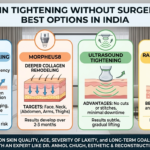
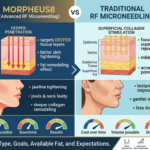
Skin Tightening Treatments
Patients with mild skin laxity may benefit from:
- Radiofrequency treatments
- Ultrasound-based treatments
- Collagen-stimulating procedures
Facelift Surgery
Patients with significant skin laxity and facial descent may benefit from surgical correction.
Treatment should always be tailored to the individual’s anatomy and concerns.
Who Is a Good Candidate for Facial Rejuvenation After Weight Loss?
You may benefit from evaluation if:
- Your face appears hollow after weight loss.
- You look tired despite feeling healthy.
- You have noticeable volume loss.
- You are bothered by facial sagging.
- Your weight has stabilized.
Ideally, facial rejuvenation treatments should be considered after weight has remained stable for several months.
Also Read: When Is It Too Late for Non-Surgical Treatments?
Risks and Possible Complications
Every cosmetic treatment carries risks.
Injectable Treatments
Possible complications include:
- Bruising
- Swelling
- Asymmetry
- Infection
- Vascular complications (rare)
Fat Transfer
Potential risks include:
- Fat resorption
- Uneven volume retention
- Need for repeat treatment
Surgical Procedures
Possible risks include:
- Bleeding
- Infection
- Scarring
- Delayed healing
- Nerve-related complications
A proper consultation helps determine the safest and most effective approach.
Recovery After Facial Rejuvenation Treatments
Recovery varies depending on the procedure.
Fillers
- Mild swelling and bruising may occur.
- Most patients resume routine activities quickly.
Fat Transfer
- Swelling may last several weeks.
- Results continue to evolve over time.
Skin Tightening Treatments
- Minimal downtime in many cases.
Facelift Surgery
- Recovery is longer but may provide more significant correction in appropriate patients.
The best treatment depends on the amount of volume loss and skin laxity present.
Important Facts Patients Should Know
✓ Weight loss improves health but may reduce facial volume.
✓ Facial aging involves both wrinkles and volume loss.
✓ Rapid weight loss may make facial changes more noticeable.
✓ Hollow cheeks and under-eye hollows are common concerns after major weight loss.
✓ Not all facial aging is caused by wrinkles.
✓ Treatment should address the underlying cause rather than simply treating visible lines.
Facial Rejuvenation After Weight Loss in Gurgaon and Delhi NCR
Many patients seeking facial rejuvenation in Gurgaon and Delhi NCR have successfully achieved their weight-loss goals but are concerned about looking older or more tired afterward.
A detailed facial assessment helps determine whether the primary issue is volume loss, skin laxity, muscle activity, or a combination of factors.
Understanding the cause allows treatment to be personalized rather than relying on a one-size-fits-all approach.
Frequently Asked Questions
Does weight loss always make the face look older?
No. The effect varies depending on age, genetics, skin quality, and the amount of weight lost.
Why do my cheeks look hollow after losing weight?
Facial fat contributes to cheek volume. Weight loss can reduce this support.
Is facial fat important?
Yes. Appropriate facial volume is an important part of a youthful appearance.
Can fillers help after weight loss?
In selected patients, fillers can restore lost volume and improve facial contours.
Is fat transfer permanent?
Some transferred fat survives long-term, although not all transferred fat remains permanently.
Can loose facial skin improve on its own?
Mild skin laxity may improve, particularly in younger patients, but significant laxity often requires treatment.
Is rapid weight loss worse for facial aging?
Rapid weight loss may make volume loss and skin laxity more noticeable.
At what age is this most common?
Patients over 40 often notice these changes more because natural age-related volume loss is already occurring.
Can a facelift restore facial volume?
A facelift primarily addresses sagging tissues. Volume restoration may require additional treatments.
Should I avoid losing weight to protect my face?
No. Health should remain the priority. Facial appearance can often be addressed separately if concerns arise.
Conclusion
Weight loss is one of the best things many people can do for their overall health. However, significant weight loss can sometimes reveal or accelerate changes in facial volume that contribute to an older appearance.
This does not mean weight loss should be avoided. It simply means that facial aging involves more than wrinkles alone.
Understanding the role of facial volume loss can help explain why some patients look older after losing weight and what treatment options may be available.
If you are unsure whether your concern is related to volume loss, skin laxity, wrinkles, or a combination of factors, a consultation can help determine the most appropriate approach for achieving natural and balanced facial rejuvenation.
References
- Rashid Y, Estela-Fernandez C, Sardar A, et al. Advances in Anti-aging Procedures: A Comprehensive Review of Surgical and Non-surgical Rejuvenation Techniques. Cureus. 2025.
- American Society of Plastic Surgeons (ASPS). Facial Fat Grafting and Facial Rejuvenation Resources.
- U.S. Food and Drug Administration (FDA). Dermal Fillers Safety Information.
- Coleman SR. Structural Fat Grafting: More Than a Permanent Filler.
- Lambros V. Observations on Periorbital and Midface Aging.
Related Procedures
- Facial Fat Transfer
- Facelift Surgery
- Blepharoplasty (Eyelid Surgery)
- Dermal Fillers
- Skin Tightening Treatments
Medically Reviewed By
Dr. Anmol ChughQualifications: MBBS, MS, MCh (Plastic Surgery)
Experience: 16+ Years in Plastic & Aesthetic Surgery
Review Date: 21 Jun 2026
This article has been medically reviewed for accuracy and patient safety.