Worst Mistakes Patients Make Before Cosmetic Surgery
What Most People Realize Only After It’s Too Late
Preparing for cosmetic surgery is not just about selecting a procedure or finding a convenient surgery date. In reality, what patients do before surgery often has a bigger impact on results than they initially realize.
Over the years, one pattern becomes very clear in aesthetic practice:
Patients who prepare properly usually recover better, heal faster, and feel more satisfied with their outcome. On the other hand, many complications, disappointments, or “bad surgery experiences” actually begin before the operation even starts.
Most of these mistakes are not intentional. They happen because of:
- Social media misinformation
- Pressure to get quick results
- Fear-driven decisions
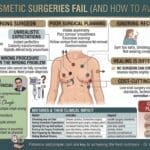
- Unrealistic expectations
- Choosing convenience over expertise
At Dr. Anmol Chugh’s clinic, patient counseling before surgery is considered just as important as the surgery itself because informed patients generally make safer and smarter decisions.
Table of Contents
- The Biggest Mistakes Patients Make Before Surgery
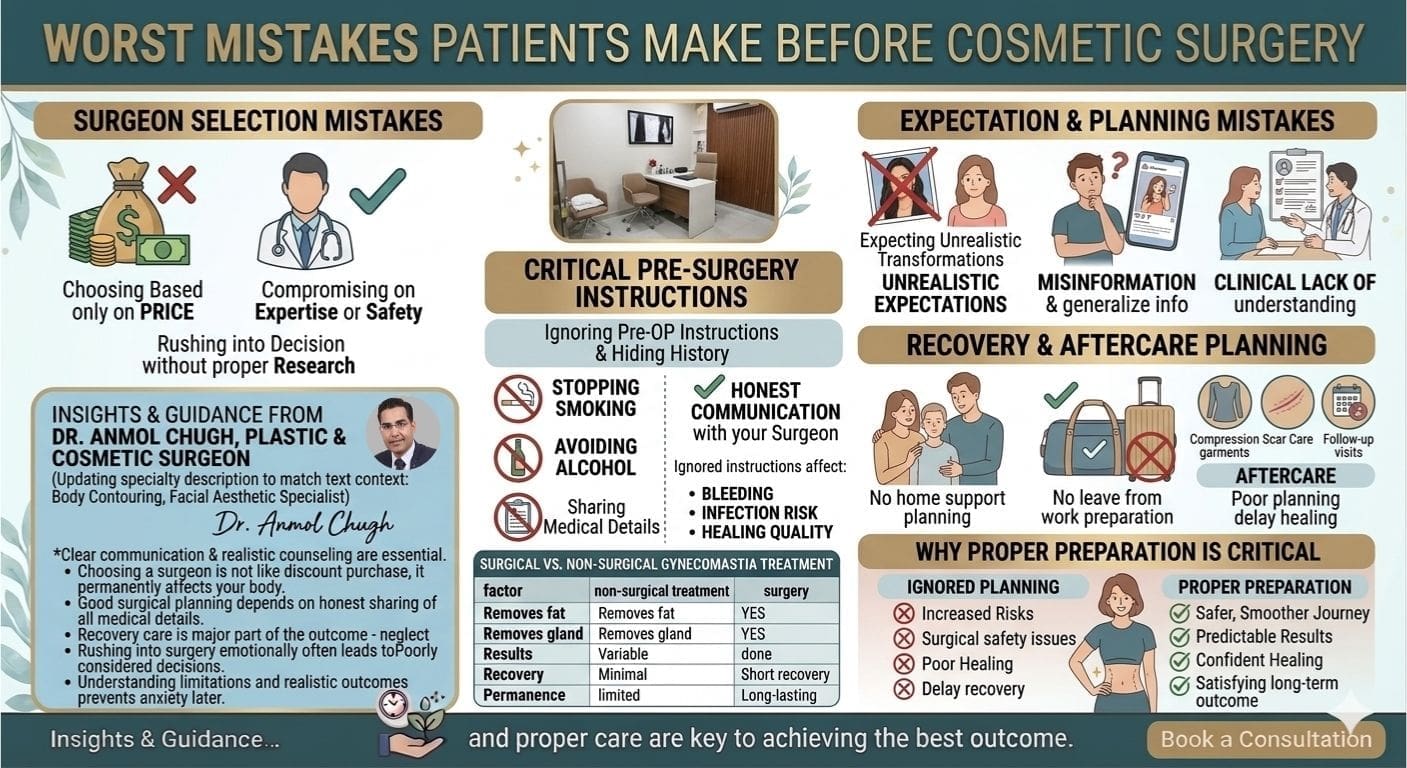
- Choosing a Surgeon Based Only on Price
- Having Unrealistic Expectations
- Not Understanding the Procedure Properly
- Ignoring Pre-Surgery Instructions
- Depending Only on Google or Social Media
- Hiding Medical History
- Rushing Into Surgery Emotionally
- Not Preparing Properly for Recovery
- Ignoring the Importance of Aftercare
- Final Thoughts
The Biggest Mistakes Patients Make Before Surgery (Quick Overview)
Some of the most common pre-surgery mistakes include:
- Choosing a surgeon based only on cost
- Hiding medical history
- Ignoring pre-operative instructions
- Expecting unrealistic results
- Rushing into surgery emotionally
- Not planning recovery properly
- Depending only on social media information
These issues may sound simple, but clinically, they can significantly affect:
- Surgical safety
- Healing quality
- Final aesthetic outcome
- Long-term satisfaction
Choosing a Surgeon Based Only on Price
This is probably the most dangerous mistake patients make.
Many people compare cosmetic surgery like a product:
“Who is offering the lowest package?”
But surgery is not a discount purchase, it is a medical procedure that permanently affects your body.
A lower price may sometimes mean compromises in:
- Surgical expertise
- Operation theatre standards
- Safety protocols
- Follow-up care
- Technology and equipment
A patient once came to my clinic after undergoing a low-cost liposuction procedure elsewhere. His biggest regret was not the money he spent, it was the uneven contour and corrective surgery he eventually needed later.
That experience highlights something important:
👉 Cheap surgery often becomes expensive correction surgery.
Before choosing any surgeon, patients should evaluate:
- Qualifications
- Experience
- Surgical results
- Facility standards
- Communication and transparency
You can learn more about safe body contouring procedures here:
What Can Go Wrong in Liposuction? (Risks Explained)
Having Unrealistic Expectations
One of the most emotionally difficult situations in cosmetic surgery is when technically good surgery still results in an unhappy patient because expectations were unrealistic from the beginning.
Cosmetic surgery improves and refines features, it does not create perfection.
Patients sometimes expect:
- Instant “celebrity” transformations
- Completely scar-free surgery
- Unrealistic body proportions
- Immediate final results without swelling or healing time
Social media filters and edited images have made this problem even more common.
In real clinical practice, natural-looking and proportionate results almost always age better than extreme transformations.
A patient once told me during consultation:
“Doctor, I want my body to look exactly like this edited Instagram picture.”
But after proper discussion, she later realized the image itself was unrealistic and digitally altered.
That honest conversation changed her expectations completely, and eventually led to a much more satisfying result.
Not Understanding the Procedure Properly
Many patients say “yes” to surgery without fully understanding:
- The recovery timeline
- Possible swelling
- Scar placement
- Temporary discomfort
- Realistic outcomes
- Surgical limitations
This creates unnecessary anxiety after surgery because patients feel surprised by normal recovery changes.
At Dr. Anmol Chugh’s clinic, consultations are designed not just to explain benefits, but also to explain:
- Limitations
- Risks
- Recovery realities
- Expected healing stages
An informed patient usually heals more confidently.
Ignoring Pre-Surgery Instructions
This mistake is more common than most people realize.
Patients sometimes ignore instructions such as:
- Stopping smoking
- Avoiding alcohol
- Adjusting medications
- Completing blood tests
- Maintaining proper nutrition
These steps are not “formalities.” They directly affect:
- Healing
- Bleeding risk
- Infection risk
- Scar quality
- Recovery speed
Smoking, in particular, is one of the biggest hidden causes of poor healing and delayed recovery in cosmetic surgery.
Depending Only on Google or Social Media
Research is good. Self-diagnosis is not.
Many patients spend months watching:
- YouTube videos
- Influencer content
- Reels
- Online forums
But the problem is:
The internet provides generalized information, not personalized medical evaluation.
A treatment that worked for one person may not be suitable for another.
For example:
- One patient may need liposuction
- Another may actually need a tummy tuck
Yet online content often oversimplifies these decisions.
You can understand this difference better here:
Liposuction vs Tummy Tuck: Which Is Better?
Hiding Medical History
Some patients avoid sharing important information because they fear surgery may get delayed or cancelled.
This can include:
- Diabetes
- Smoking habits
- Previous surgeries
- Medications
- Hormonal conditions
- Steroid use
But hidden medical details increase surgical risk significantly.
Good surgical planning depends on honest communication.
Patients are often surprised to learn that even things like supplements or smoking can affect:
- Bleeding
- Swelling
- Healing quality
- Scar formation
Rushing Into Surgery Emotionally
Cosmetic surgery should never be an impulsive decision.
Patients sometimes book procedures because of:
- Upcoming weddings
- Relationship pressure
- Social comparison
- Emotional stress
- Sudden insecurity after social media exposure
This emotional urgency can lead to poorly considered decisions.
The best surgical candidates are usually patients who:
- Understand the procedure clearly
- Have realistic expectations
- Are emotionally stable
- Want improvement, not perfection
Not Preparing Properly for Recovery
Patients often focus entirely on the surgery date and forget recovery planning.
But post-operative care is a major part of the outcome.
Poor preparation may include:
- No leave from work
- No home support
- Poor sleep setup
- Ignoring follow-up visits
- Returning to the gym too early
This can delay healing and increase stress unnecessarily.
A smoother recovery usually comes from proper preparation before surgery.
Comparing Your Results to Someone Else
Every body heals differently.
Two patients undergoing the same procedure may still have different:
- Swelling patterns
- Scar healing
- Skin contraction
- Final contour
Comparing yourself constantly to:
- Influencers
- Celebrities
- Friends
- Online “before-after” images
often creates unrealistic expectations.
Good cosmetic surgery should enhance your anatomy, not copy someone else’s body.
Ignoring the Importance of Aftercare
Surgery is not the end of the journey, it is the beginning of healing.
Patients who neglect:
- Compression garments
- Scar care
- Follow-up appointments
- Activity restrictions
often compromise their own results.
Post-operative care significantly affects:
- Swelling reduction
- Scar appearance
- Final contour
- Recovery comfort
This is especially important in procedures involving:
Emotional Readiness Matters More Than People Think
One topic rarely discussed enough is emotional preparation.
Immediately after surgery:
- Swelling happens
- Bruising happens
- Temporary asymmetry may occur
- Results evolve gradually
Patients who understand this process remain calmer and recover more confidently.
Emotionally prepared patients generally experience:
- Better satisfaction
- Less anxiety
- More patience during healing
Related Articles You May Find Helpful
You may also want to read:
- Real Complications After Gynecomastia Surgery
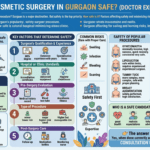
- Is Cosmetic Surgery Safe in India? Myths vs Facts
- How Visible Are Tummy Tuck Scars After 1 Year?
Final Thoughts
The success of cosmetic surgery begins long before entering the operation theatre.
The most common mistakes patients make before surgery are usually preventable with:
- Proper consultation
- Honest communication
- Realistic expectations
- Careful planning
Good surgery is not just about technical skill, it is about making informed decisions at every stage of the journey.
When patients understand the process properly, outcomes tend to be:
- Safer
- Smoother
- More natural-looking
- More satisfying long-term
With expert guidance from Dr. Anmol Chugh, patients can approach surgery with confidence, clarity, and realistic expectations rather than fear or confusion.
Book a Consultation
If you are considering cosmetic surgery and want proper guidance before making a decision, a personalized consultation can help you:
- Understand the procedure clearly
- Avoid common mistakes
- Evaluate your suitability safely
- Prepare properly for recovery
Medically Reviewed By
Dr. Anmol ChughQualifications: MBBS, MS, MCh (Plastic Surgery)
Experience: 16+ Years in Plastic & Aesthetic Surgery
Review Date: 29 Apr 2026
This article has been medically reviewed for accuracy and patient safety.