How Breast Reduction Surgery Keeps Safety at the Forefront
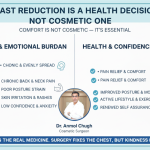
Breast reduction surgery, also called reduction mammoplasty, is not just about appearance. It is about comfort, health, and confidence. Many women choose this surgery to get relief from back pain, neck strain, rashes, and the emotional burden of having very large breasts.
While the results can be life-changing, safety is the number one priority. Every step, from planning the surgery to recovery, focuses on protecting the patient’s health. According to Dr. Anmol Chugh, a leading plastic surgeon in India, a safe breast reduction is the foundation for beautiful and long-lasting results.
This blog will explain how safety is kept at the forefront during breast reduction surgery, why it matters, and what patients can expect before, during, and after the procedure.
Why Safety Matters in Breast Reduction Surgery
Safety is the backbone of every cosmetic surgery. A successful procedure is not only about how the breasts look but also how the body feels and heals.
For women with very large breasts, the surgery provides:
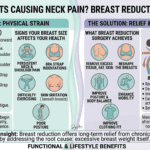
- Relief from back, neck, and shoulder pain
- Improved posture
- Easier physical activities
- Better clothing choices
- Boost in self-confidence
However, these benefits are possible only if the surgery is performed under strict safety standards. Dr. Anmol Chugh emphasizes that patient safety is never compromised for cosmetic goals.
Pre-Surgery Safety Measures
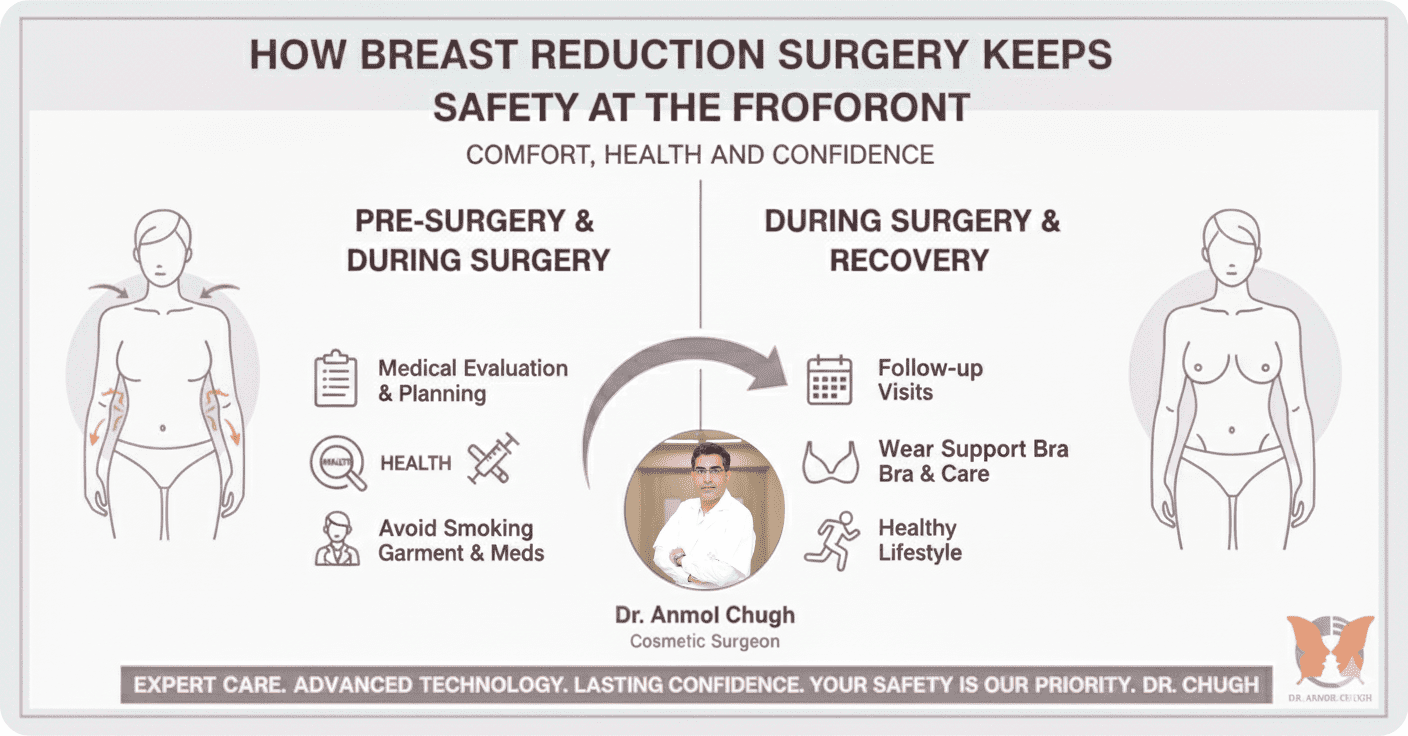
Before any surgery, careful planning ensures patients are physically and emotionally ready.
-
Detailed Consultation
Patients meet with Dr. Anmol Chugh to discuss their goals, medical history, and concerns. This helps in understanding what size reduction will bring the best balance and comfort.
-
Medical Tests
Tests like blood work, ECG, and chest X-rays may be required. These tests confirm if the patient is healthy enough for anesthesia and surgery.
-
Health Evaluation
Factors like smoking, diabetes, obesity, or heart conditions are checked. These can affect healing and must be managed before surgery.
-
Clear Communication
Patients are informed about:
- Possible risks
- Expected recovery timeline
- Scars and healing
- Lifestyle adjustments needed after surgery
This transparency builds trust and reduces anxiety.
Safety During the Surgery
Once the patient is cleared for surgery, the focus shifts to safety inside the operation room.
-
Qualified Surgical Team
Dr. Anmol Chugh works with trained anesthesiologists, nurses, and support staff. Every team member is skilled in handling both routine procedures and emergencies.
-
Sterile Environment
Strict sterilization prevents infection. Modern operating rooms use advanced tools and protocols to ensure complete cleanliness.
-
Safe Anesthesia
Anesthesia is carefully chosen based on the patient’s health. The anesthesiologist monitors heart rate, oxygen levels, and blood pressure throughout the surgery.
-
Advanced Surgical Techniques
Modern techniques reduce:
- Blood loss
- Risk of complications
- Size of scars
- Length of recovery
By combining skill with technology, Dr. Anmol Chugh ensures the patient’s body is reshaped safely and beautifully.
Safety in Recovery
The surgery does not end once the patient leaves the operation room. Recovery is just as important.
-
Post-Operative Care
Patients are moved to recovery rooms where vital signs are monitored until they are stable.
-
Pain Management
Medications are prescribed to manage pain, swelling, and discomfort.
-
Preventing Complications
Patients are guided on how to:
- Keep incisions clean
- Avoid infections
- Manage swelling with compression bras
- Recognize warning signs like fever or unusual pain
-
Regular Check-Ups
Follow-up visits with Dr. Anmol Chugh ensure that healing is on track. Any small issues are addressed before they become big concerns.
How Patients Can Support Their Own Safety
Safety is a shared responsibility. Surgeons provide expert care, but patients must also follow instructions.
Key Patient Responsibilities:
- Stop smoking before and after surgery to improve healing.
- Maintain a healthy weight for better results.
- Take prescribed medications exactly as directed.
- Avoid heavy lifting until cleared by the surgeon.
- Wear supportive bras to protect the new breast shape.
- Attend all follow-ups with Dr. Anmol Chugh.
By actively participating, patients help ensure their surgery remains safe and successful.
Common Safety Concerns Addressed
Patients often have questions about safety. Here are some common concerns explained:
-
Will I Lose Too Much Blood?
With modern surgical methods, blood loss is kept minimal. Precautions are always in place to handle unexpected issues.
-
Are Scars Dangerous?
Scars are natural after surgery, but they are not dangerous. With proper care, they fade over time and are placed in hidden areas.
-
What About Breastfeeding in the Future?
Depending on the surgical method, breastfeeding may still be possible. Dr. Anmol Chugh discusses this with patients before the surgery.
-
Can Both Breasts Be Made Equal?
Perfect symmetry is rare in nature, but surgeons aim for the closest possible balance.
-
Is There a Risk of Infection?
With sterile environments and antibiotics, infection risks are very low. Patients are guided on how to keep wounds clean.
The Role of Technology in Safety
Modern science has greatly improved the safety of breast reduction surgery in India.
Key Advances Include:
- Laser-assisted tools that reduce bleeding
- Ultrasonic devices for precise tissue removal
- 3D imaging to plan the ideal breast size before surgery
- Absorbable sutures that reduce the need for stitch removal
These innovations mean patients heal faster and safer than ever before.
Emotional and Psychological Safety
Safety is not only about the body but also about the mind. Surgery can be emotional. Patients may feel nervous before or anxious after.
Dr. Anmol Chugh and his team support patients emotionally by:
- Offering clear, honest information
- Providing realistic expectations
- Being available to answer questions
- Encouraging open communication
When patients feel heard and supported, their recovery is smoother and less stressful.
Long-Term Safety After Breast Reduction
Even after recovery, safety continues to play a role in long-term results.
-
Stable Weight
Keeping a steady weight helps maintain breast shape.
-
Regular Exercise
Staying active supports posture and overall health.
-
Proper Support
Wearing the right bras prevents strain on healing tissues.
-
Medical Check-Ups
Routine health check-ups and follow-ups with Dr. Anmol Chugh ensure everything stays on track.
Why Choose Dr. Anmol Chugh for a Safe Breast Reduction?
Experience and skill matter most when it comes to safety. Dr. Anmol Chugh is a board-certified plastic surgeon known for combining advanced medical techniques with artistic precision.
His focus is always on:
- Patient safety first
- Customized treatment plans
- Natural-looking results
- Compassionate care before and after surgery
Patients trust Dr. Anmol Chugh because he creates results that are not only beautiful but also safe and lasting.
Conclusion
Breast reduction surgery offers freedom from pain, better posture, and more confidence. But these benefits are only possible when safety stays at the forefront. From pre-surgery consultations to post-surgery recovery, every step is carefully designed to protect the patient’s health.
With advanced techniques, modern technology, and the expert care of Dr. Anmol Chugh, patients can enjoy not just a new look but also peace of mind.
If you are considering breast reduction surgery in India, choose safety first, and let Dr. Anmol Chugh guide you toward results that are both beautiful and secure.