How Long Do Breast Implants Last? When Is Replacement Needed?
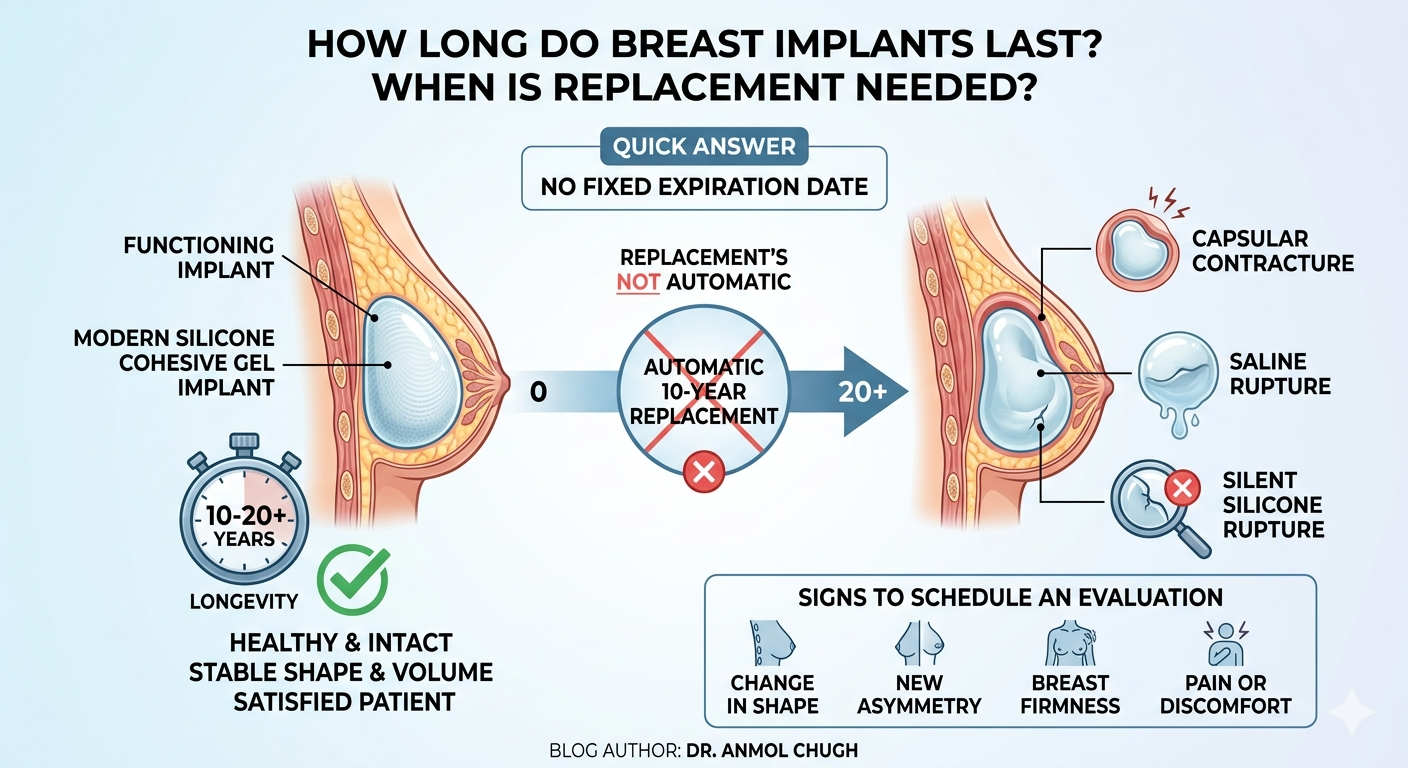
Many women considering breast augmentation ask an important question before surgery: “How long will my breast implants last?”
The short answer is that breast implants are not considered lifetime devices. However, that does not mean they need to be replaced every 10 years. Many patients enjoy excellent results for 15 to 20 years or longer without requiring implant replacement.
The need for replacement depends on several factors, including the type of implant, changes in the body over time, complications, and personal aesthetic goals.
In this article, we’ll explain how long breast implants typically last, signs that replacement may be needed, and what women should know before and after breast augmentation surgery.
Table of Contents
- Quick Answer
- Do Breast Implants Have an Expiration Date?
- How Long Do Modern Breast Implants Usually Last?
- Factors That Affect Implant Longevity
- When Is Breast Implant Replacement Needed?
- Dr. Anmol Chugh’s Clinical Perspective
- Common Mistakes Patients Make
- Signs You Should Schedule an Implant Evaluation
- Safety Checklist for Women With Breast Implants
- Who May Need Earlier Implant Replacement?
- Recovery After Implant Replacement Surgery
- Before-and-After Expectations
- Frequently Asked Questions
Quick Answer
Most modern breast implants can last 10 to 20 years or more, but there is no fixed expiration date. Implant replacement is usually recommended only if a complication develops, the implant ruptures, or a patient wishes to change the size or appearance of her breasts.
Also Read: Breast Augmentation Cost in India (2026): Implants vs Fat Transfer
Do Breast Implants Have an Expiration Date?
One of the biggest myths about breast augmentation is that implants must automatically be replaced every 10 years.
This is not entirely accurate.
While breast implant manufacturers often provide long-term warranty programs and studies commonly track implants for 10 years or more, there is no rule stating that every implant must be removed or replaced at the 10-year mark.
Many women continue to have healthy, intact implants well beyond this timeframe.
The more important question is not how old the implant is, but whether it is functioning well and whether the patient remains happy with the result.
How Long Do Modern Breast Implants Usually Last?
Today’s silicone and saline implants are significantly more durable than earlier generations.
Many patients experience:
- Excellent implant integrity for 10–20 years
- Stable breast shape and volume
- No symptoms or complications
- No need for replacement surgery
Studies have shown that a substantial percentage of women still have functioning implants more than a decade after surgery.
However, the likelihood of requiring some form of revision surgery increases gradually over time.
Factors That Affect Implant Longevity
Implant Type
Both saline and silicone implants are designed for long-term use.
Modern cohesive silicone gel implants have improved durability and are widely used because of their natural feel.
Surgical Technique
Proper implant placement and surgical planning can contribute to long-term outcomes.
Lifestyle Factors
Changes in body weight, pregnancy, aging, and hormonal changes can affect breast appearance over time, even when the implants remain intact.
Individual Healing
Every patient’s tissues respond differently. Skin quality, breast tissue characteristics, and genetic factors all influence long-term results.
Also Read: Breast Fat Transfer Results: How Long Do They Last?
When Is Breast Implant Replacement Needed?
Breast implants are usually replaced because of a specific reason rather than simply because a certain number of years have passed.
Implant Rupture
One of the most common reasons for replacement is implant rupture.
Saline Implant Rupture
When a saline implant ruptures:
- The breast usually deflates noticeably
- The saline solution is absorbed naturally by the body
- The change is often obvious
Silicone Implant Rupture
Silicone implant ruptures may be less noticeable.
Sometimes referred to as a “silent rupture,” the breast may appear unchanged despite a break in the implant shell.
Regular follow-up and imaging may be recommended for patients with silicone implants.
Capsular Contracture
After breast augmentation, the body naturally forms a capsule around the implant.
In some cases, this capsule becomes excessively tight.
Symptoms may include:
- Breast firmness
- Distortion of shape
- Discomfort
- Asymmetry
More significant cases may require revision surgery and implant replacement.
Changes in Breast Appearance
Breasts naturally change over time due to:
- Aging
- Pregnancy
- Weight fluctuations
- Skin laxity
Some patients choose implant replacement or revision surgery to address these changes and maintain their desired appearance.
Desire for a Different Size
Personal preferences may evolve over time.
Some women choose revision surgery because they wish to:
- Increase implant size
- Decrease implant size
- Improve breast proportions
- Update older implants
Implant Malposition
In some situations, implants may shift from their intended position.
This can affect breast symmetry and shape, potentially requiring corrective surgery.
When Is Breast Implant Replacement Needed?
Breast implants are usually replaced because of a specific reason rather than simply because a certain number of years have passed.
Implant Rupture
One of the most common reasons for replacement is implant rupture.
Saline Implant Rupture
When a saline implant ruptures:
- The breast usually deflates noticeably
- The saline solution is absorbed naturally by the body
- The change is often obvious
Silicone Implant Rupture
Silicone implant ruptures may be less noticeable.
Sometimes referred to as a “silent rupture,” the breast may appear unchanged despite a break in the implant shell.
Regular follow-up and imaging may be recommended for patients with silicone implants.
Also Read: 7 Key Differences Between Saline and Silicone Breast Implants
Capsular Contracture
After breast augmentation, the body naturally forms a capsule around the implant.
In some cases, this capsule becomes excessively tight.
Symptoms may include:
- Breast firmness
- Distortion of shape
- Discomfort
- Asymmetry
More significant cases may require revision surgery and implant replacement.
Changes in Breast Appearance
Breasts naturally change over time due to:
- Aging
- Pregnancy
- Weight fluctuations
- Skin laxity
Some patients choose implant replacement or revision surgery to address these changes and maintain their desired appearance.
Also Read: 5 Things You Need to Know About Breast Implants and Pregnancy
Desire for a Different Size
Personal preferences may evolve over time.
Some women choose revision surgery because they wish to:
- Increase implant size
- Decrease implant size
- Improve breast proportions
- Update older implants
Implant Malposition
In some situations, implants may shift from their intended position.
This can affect breast symmetry and shape, potentially requiring corrective surgery.
Dr. Anmol Chugh’s Clinical Perspective
One of the most common concerns patients express during consultation is:
“Will I definitely need another surgery in 10 years?”
What I tell my patients is that breast implants should not be viewed as devices that automatically require replacement after a fixed number of years. Instead, they should be monitored over time.
Many patients continue to enjoy excellent results for well over a decade without any issues. The decision to replace an implant is usually based on a specific clinical reason rather than an arbitrary timeline.
The goal is not to replace implants unnecessarily but to ensure long-term safety and patient satisfaction.
Common Mistakes Patients Make
Patients often encounter confusion because of outdated information found online.
Some common misconceptions include:
Assuming Every Implant Must Be Replaced at 10 Years
This remains one of the most widespread myths.
Ignoring Follow-Up Evaluations
Even when there are no symptoms, periodic assessments remain important.
Choosing Surgery Based Only on Implant Size
Long-term planning should consider:
- Body proportions
- Skin quality
- Lifestyle
- Future changes such as pregnancy or weight fluctuations
Delaying Evaluation of New Symptoms
Changes in breast shape, firmness, or comfort should always be assessed by a qualified surgeon.
Signs You Should Schedule an Implant Evaluation
Patients should consider professional assessment if they notice:
- Change in breast shape
- New asymmetry
- Breast firmness
- Pain or discomfort
- Visible implant movement
- Deflation of a saline implant
- Changes following trauma
An evaluation helps determine whether imaging or treatment is necessary.
Safety Checklist for Women With Breast Implants
To support long-term implant health:
✔ Attend regular follow-up appointments
✔ Perform routine breast self-awareness checks
✔ Report changes in breast shape or firmness
✔ Maintain a stable weight when possible
✔ Discuss pregnancy plans during consultation
✔ Follow imaging recommendations for silicone implants
✔ Seek medical evaluation if symptoms develop
Who May Need Earlier Implant Replacement?
Some patients may require revision sooner than others.
This may include women who experience:
- Implant rupture
- Significant capsular contracture
- Implant malposition
- Major aesthetic changes
- Dissatisfaction with implant size
The timing varies considerably from one patient to another.
Recovery After Implant Replacement Surgery
Recovery following implant replacement is often similar to, or sometimes easier than, the initial breast augmentation procedure.
The recovery protocol followed at our centre generally focuses on:
- Early mobilization
- Pain management
- Compression support when indicated
- Gradual return to normal activities
- Scheduled follow-up evaluations
The exact recovery timeline depends on the complexity of the revision procedure and individual healing characteristics.
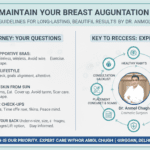
Also Read: 7 Tips to Maintain Your Breast Augmentation Results
Before-and-After Expectations
Patients considering implant replacement should understand that revision surgery may be performed for either medical or aesthetic reasons.
Goals often include:
- Restoring breast symmetry
- Correcting implant-related issues
- Updating implant size
- Improving breast shape
- Maintaining natural-looking results
A detailed consultation helps establish realistic expectations before surgery.
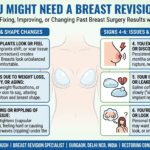
Also Read: 6 Signs You Might Need a Breast Revision Surgery
Breast Implants Real Patient Result
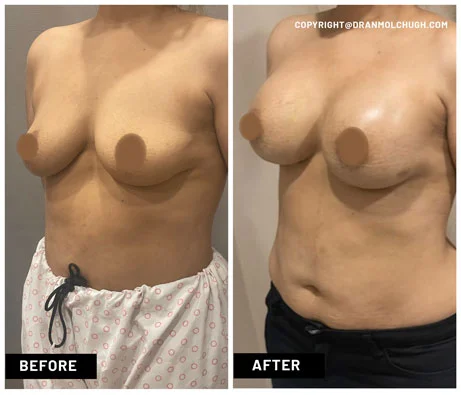
Explore more of our real breast implant patient results in our Before & After Gallery.
Frequently Asked Questions
Do breast implants need to be replaced every 10 years?
No. Modern breast implants do not automatically require replacement after 10 years. Replacement is typically recommended only when a complication or aesthetic concern develops.
Can breast implants last 20 years?
Yes. Many women have implants that remain intact and functional for 15–20 years or longer.
How do I know if my implant has ruptured?
Saline implant ruptures usually cause visible deflation. Silicone implant ruptures may be silent and sometimes require imaging for detection.
Is implant replacement surgery always necessary if implants are old?
Not necessarily. If the implants remain intact and the patient is satisfied with the results, replacement may not be required solely because of age.
What is the most common reason for implant replacement?
Common reasons include rupture, capsular contracture, changes in appearance, implant malposition, or a desire for a different size.
Can pregnancy affect breast implants?
Pregnancy does not usually damage implants, but it can change breast tissue, skin elasticity, and breast shape, which may influence future aesthetic decisions.
Written By
Dr. Anmol Chugh
Plastic, Aesthetic & Reconstructive Surgeon
References
- American Society of Plastic Surgeons (ASPS). Breast Augmentation Patient Information.
- U.S. Food and Drug Administration (FDA). Breast Implant Safety Information.
- International Society of Aesthetic Plastic Surgery (ISAPS).
- Plastic and Reconstructive Surgery Journal. Long-Term Outcomes of Breast Augmentation.
- National Center for Biotechnology Information (NCBI). Breast Implant Longevity and Complications.
- The Aesthetic Society. Breast Implant Revision and Replacement Guidelines.
Conclusion
Breast implants are durable medical devices designed for long-term use, but they are not considered lifetime devices. While many women enjoy beautiful results for 10, 15, or even 20 years or more, implant replacement may become necessary if complications develop or aesthetic goals change.
Rather than focusing on a specific replacement timeline, patients should prioritize regular follow-up, awareness of changes, and open communication with their surgeon. With proper monitoring and individualized care, breast augmentation can provide long-lasting satisfaction and confidence.
Medically Reviewed By
Dr. Anmol ChughQualifications: MBBS, MS, MCh (Plastic Surgery)
Experience: 16+ Years in Plastic & Aesthetic Surgery
Review Date: 09 Jun 2026
This article has been medically reviewed for accuracy and patient safety.