Why Gynecomastia Returns After Gym in Some Men
It can be very disheartening for men who have worked hard to lose weight and tone their chest to see that it “recurs” after just a few months. Patients often think that they can shed some of the fat of the chest by exercising it, but then they see puffiness or fullness or an increase in the size of their chest again.
This causes a lot of confusion:
“If I worked out consistently, why did my chest come back?”
The key is in knowing the difference between fat loss and real gynecomastia. However, it is not always the case that the problem is that the gym has caused gynecomastia to come back; instead, it is often the case that the problem actually wasn’t fixed in the first place.
Dr. Anmol Chugh often assesses the patients who have undergone body change with fitness, but when persistent chest fullness remains, a clinical concern. A lot of people are taken aback to find out that the glandular gynecomastia tissue can’t be eliminated by exercising.
Here’s an explanation of why gynecomastia can seem to reappear after gym exercise, the common blunders made by men, and when it is time to seek expert help.
Table of Contents
- Why Gynecomastia Returns After Gym
- Understanding Gynecomastia Properly
- Fat vs Gland: The Biggest Misunderstanding
- Why Some Men Think Gynecomastia Returned
- Steroid Use and Hormonal Changes
- Weight Fluctuations and Chest Enlargement
- Incomplete Gynecomastia Surgery
- Can Exercise Cure Gynecomastia?
- Signs of True Glandular Gynecomastia
- Surgical Treatment: The Permanent Solution
- Common Mistakes Men Make
- Emotional Impact of Persistent Gynecomastia
- Can Gynecomastia Come Back After Surgery?
- Final Thoughts
- Book a Consultation
So why does Gynecomastia come back after GYM (Quick Answer)?
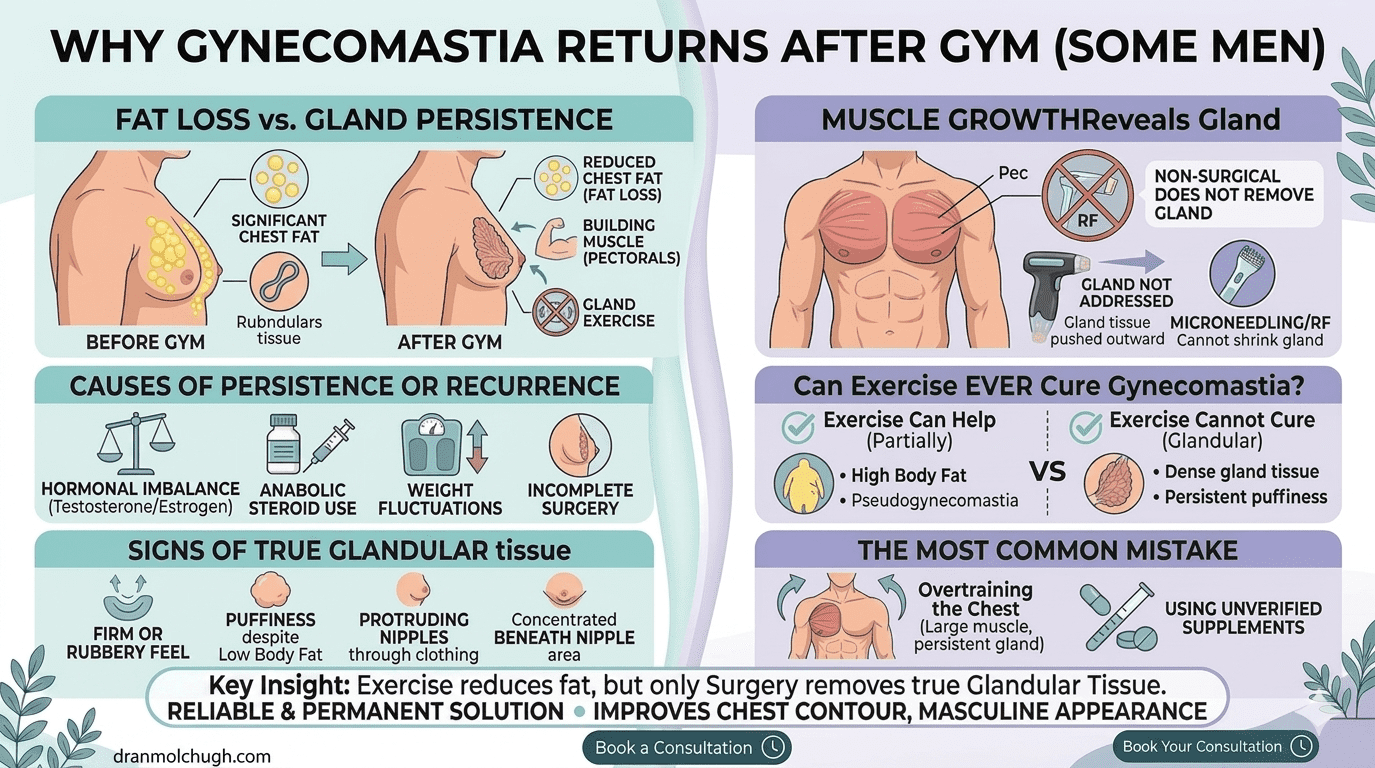
Gynecomastia could seem to come back following gym sessions as workouts will lower fat in the chest, but not reduce the glandular mass. Hormonal changes, steroid use, weight loss, or loss of treatment may also be a factor in recurrence or continued enlargement of the chest in some men.
Understanding Gynecomastia Properly
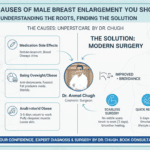
Gynecomastia is the condition of increased male breast tissue due to:
- Hormonal imbalance
- Excess glandular tissue
- Fat accumulation
- Sometimes a combination of both
A lot of males think that all chest growth is fat. But real gynecomastia does mean that you have a dense mass under your nipple area that isn’t going to respond to any workout.
Related reading:
👉 Non-Surgical Gynecomastia: Does It Really Work?
The Biggest Misunderstanding: Fat vs Gland
This is where most confusion begins.
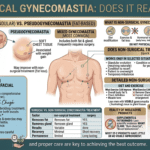
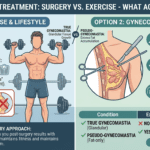
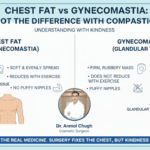
Fat-Based Chest Enlargement
If the chest enlargement is mainly fat:
- Weight loss can improve appearance
- Exercise may flatten the chest
- Body fat reduction helps significantly
This is called pseudogynecomastia.
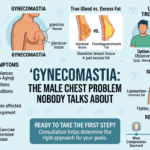
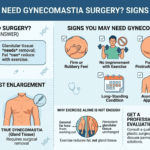
True Glandular Gynecomastia
In true gynecomastia:
- Firm gland tissue exists beneath the nipple
- The chest may feel rubbery or dense
- The puffiness persists despite workouts
👉 Gym cannot remove gland tissue.
According to Dr. Anmol Chugh, many lean and muscular men still experience persistent gynecomastia because the problem is structural rather than weight-related.
Why Some Men Think Gynecomastia “Returned”
- Initial Fat Loss Temporarily Improved the Chest
This is extremely common.
When men begin:
- Weight training
- Fat loss programs
- Cardio routines
Their overall body fat decreases, including some chest fat.
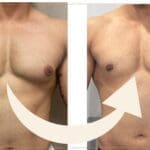
Initially, the chest appears flatter. But once body fat stabilizes, the remaining glandular tissue becomes more noticeable again.
Patients often interpret this as “recurrence,” when in reality:
👉 The gland was always present.
- Muscle Growth Can Make Gynecomastia More Visible
Ironically, building chest muscles sometimes makes glandular gynecomastia stand out more.
As the pectoral muscles grow:
- The gland tissue gets pushed outward
- Nipple puffiness becomes more prominent
- Chest projection increases
Many gym-going men notice:
“My chest looks bigger after gaining muscle.”
This is especially common in lean individuals with low body fat.
Steroid Use and Hormonal Changes
One of the most important causes of gynecomastia recurrence in gym-going men is anabolic steroid use.
How Steroids Trigger Gynecomastia
Some steroids can stimulate the body’s activity of estrogen, which can cause:
- Growth of breast gland tissue
- Nipple tenderness
- Chest swelling
Some men with mild gynecomastia can see it get worse after steroid cycles.
During his practice, Dr. Anmol Chugh frequently encounters patients who develop or experience worsening of gynecomastia following:
- Testosterone misuse
- Bodybuilding steroids
- Hormonal supplements without supervision
Related reading:
👉 What Causes Gynecomastia in Men?
Weight Fluctuations Can Worsen Appearance
Repeated cycles of:
- Bulking
- Rapid weight gain
- Aggressive cutting
can spread out chest skin and fat tissue in the gland area.
This can make it appear that gynecomastia is “returning,” particularly when a man has experienced weight gain.
Incomplete Gynecomastia Surgery
Sometimes recurrence happens after surgery.
Why This Happens
Possible reasons include:
- Residual gland tissue left behind
- Hormonal imbalance persisting after surgery.
- A substantial increase in weight following treatment.
- Poor surgical planning
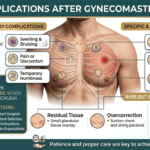
In some cases, it may be necessary to intentionally leave a small amount of gland behind to prevent an overcorrection or crater deformity. But if excess tissue is left, however, there may be a sensation of the chest remaining full, or it could return.
Related reading:
👉 Real Complications After Gynecomastia Surgery
Can Exercise Ever Cure Gynecomastia?
The honest answer:
👉 Sometimes partially, but not always completely.
Exercise Can Help If:
- The issue is mostly fat-based
- Body fat percentage is high
- The condition is mild
Exercise Usually Cannot Help If:
- Dense gland tissue is present
- The chest feels firm beneath the nipple
- Puffiness persists at low body fat levels
This is why some men become frustrated after years of consistent training without achieving a flat chest contour.
Related reading:
👉 Gynecomastia Exercise Myths: What Really Works?
Signs Your Chest Enlargement Is Probably Glandular
You may have true gynecomastia if:
- The chest feels firm or rubbery
- Puffiness remains despite low body fat
- Nipples protrude through clothing
- Chest fullness stays unchanged after workouts
- Enlargement is concentrated beneath the nipple area
These signs often indicate that surgery may eventually be required for complete correction.
Why Men Delay Proper Treatment
For many years, men spend:
- Trying endless chest workouts
- Searching for supplements
- Avoiding fitted clothing
- Feeling self-conscious at the gym
This happens typically because they think that exercising will solve their problem once and for all.
Dr. Anmol Chugh explains that one of the most frequent comments that patients make to their physicians during consultation is:
“I thought if I trained harder, it would disappear.”
Surgical Treatment: The Permanent Solution
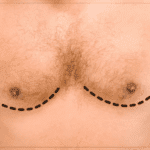
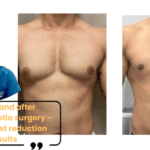
For true glandular gynecomastia, surgery remains the most reliable and permanent treatment.
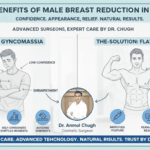
Modern gynecomastia surgery can:
- Remove gland tissue
- Improve chest contour
- Reduce puffiness
- Create a flatter, masculine appearance
In many cases, liposuction is combined with gland excision for smoother contouring.
Related reading:
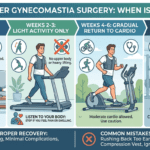
👉 Gynecomastia Recovery Timeline: Day 1 to 30 Explained
Common Mistakes Men Make
Overtraining the Chest
Excessive chest workouts may enlarge the underlying muscle while leaving gland tissue unchanged.
Using Unverified Supplements
Some supplements marketed for bodybuilding or testosterone boosting may actually worsen hormonal imbalance.
Ignoring Hormonal Health
Persistent gynecomastia should sometimes be evaluated for:
- Hormonal imbalance
- Medication side effects
- Liver or endocrine issues
Emotional Impact of Persistent Gynecomastia
For many men, the issue goes beyond physical appearance.
Persistent chest enlargement may affect:
- Confidence
- Clothing choices
- Social comfort
- Gym confidence
- Self-image
Understanding the actual cause often helps patients stop blaming themselves for “failing” at fitness.
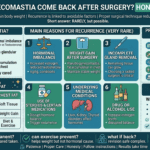
Can Gynecomastia Come Back After Proper Surgery?
True recurrence after properly performed surgery is uncommon, but it can happen if:
- Significant gland tissue remains
- Hormonal triggers continue
- Steroid use persists
- Major weight gain occurs
This is why long-term lifestyle stability and proper medical guidance are important.
Final Thoughts
A gym is not likely to “return” the gyno. Typically, the gym is the place that shows off the distinction between fat melt and long-term glandular tissues.
While exercise will help to change body composition and improve the appearance of the chest, it will not remove actual gland tissue. Knowing this difference can help men prevent disappointment and false expectations from occurring in their own lives for years.
A proper diagnosis and treatment planning can result in long-lasting, natural-looking chest contour improvement.
Book a Consultation
If your chest is still getting bigger even after you’ve been exercising regularly and have lost a lot of body fat, you should have a pro check out what it is.
You will be able to:
- Determine if it is a fat or gland tissue problem
- Discuss treatment options openly and honestly
- Determine the best long-term answer
👉 Schedule an appointment with Dr. Anmol Chugh today and start your journey towards a well-balanced chest contour with confidence.
Medically Reviewed By
Dr. Anmol ChughQualifications: MBBS, MS, MCh (Plastic Surgery)
Experience: 16+ Years in Plastic & Aesthetic Surgery
Review Date: 06 May 2026
This article has been medically reviewed for accuracy and patient safety.