Gynecomastia Surgery vs Exercise: What Actually Works?
Enlarged male chest, commonly known as gynecomastia, is a condition that affects a significant number of men at different stages of life. For many, it is not just a physical concern but also a source of self-consciousness, affecting confidence, clothing choices, and social comfort.
When faced with this issue, the most common question men ask is: “Can I fix this with exercise, or do I need surgery?” The confusion is understandable, especially with the abundance of fitness advice and transformation claims seen online.
The reality, however, depends on the underlying cause of chest enlargement. This article provides a clear, medically accurate comparison based on clinical insights from Dr. Anmol Chugh, who specializes in gynecomastia treatment and helps patients choose the most effective solution based on their condition.
Gynecomastia Surgery vs Exercise: What Actually Works? (Quick Answer)
Exercise can reduce fat-related chest fullness, but it cannot remove glandular tissue, which is the main cause of true gynecomastia. Surgery is the only definitive solution for moderate to severe gynecomastia.
Understanding Gynecomastia
Before comparing treatment options, it is essential to understand what gynecomastia actually is.
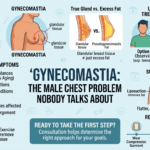
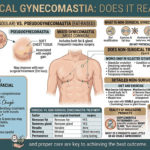
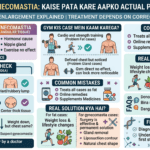
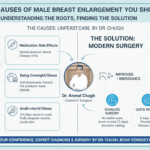
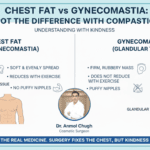
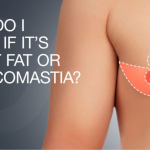
Gynecomastia involves the enlargement of male breast tissue, which may consist of fat, glandular tissue, or a combination of both. True gynecomastia is primarily caused by glandular tissue growth, often influenced by hormonal imbalance, medications, or genetics.
This distinction is critical because fat and gland behave very differently, and therefore require different approaches.
What Exercise Can Do
Exercise is often the first step men take when trying to reduce chest size.
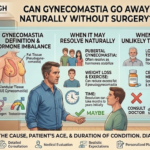
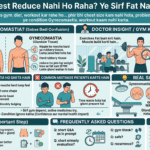
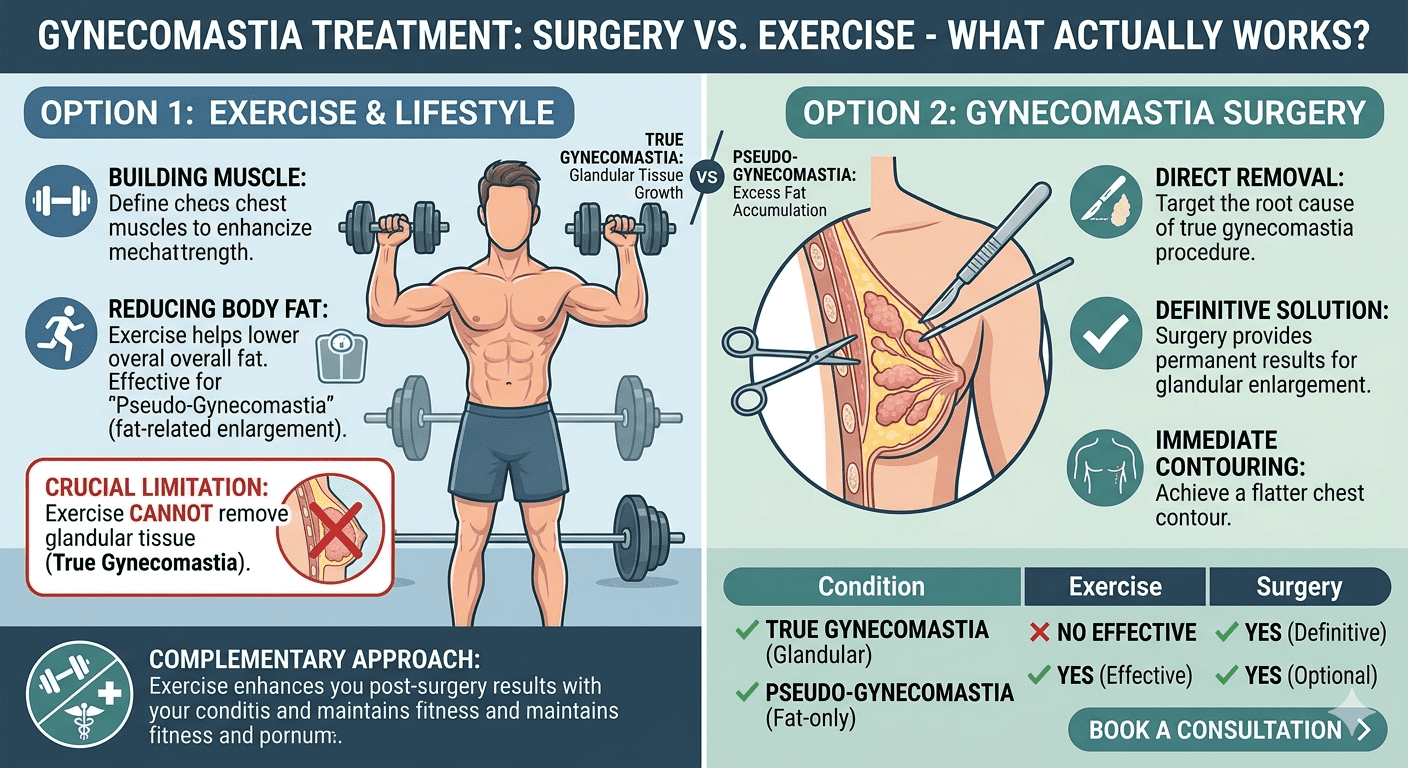
Regular workouts, especially strength training and fat-loss programs, can help reduce overall body fat. In cases where chest enlargement is due to excess fat (often called pseudo-gynecomastia), exercise can lead to noticeable improvement.
Building chest muscles can also improve the overall appearance, making the chest look firmer and more defined.
The Limitations of Exercise
While exercise is beneficial for general fitness, it has clear limitations when it comes to gynecomastia.
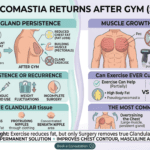
Glandular tissue does not respond to exercise or fat loss. Even with significant weight reduction, the gland may remain, resulting in a persistent puffy or enlarged appearance.
This is why many men experience frustration, they lose weight, improve overall fitness, but still notice chest fullness.
In clinical observations, Dr. Anmol Chugh frequently sees patients who have tried extensive workouts without achieving the desired chest contour.
What Gynecomastia Surgery Can Do
Gynecomastia surgery directly addresses the root cause of the condition.
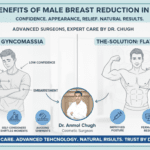
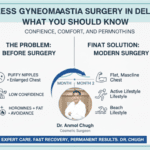
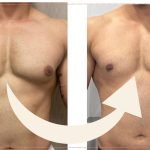
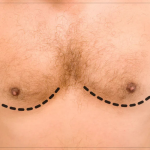
The procedure involves removing glandular tissue and, if necessary, excess fat to create a flatter and more masculine chest contour. Unlike exercise, surgery provides a targeted and permanent solution for gland-related enlargement.
The results are typically immediate in terms of contour improvement, with final refinement occurring over the healing period.
When Exercise Is Enough
Exercise can be effective in certain situations.
If chest enlargement is primarily due to fat and there is no significant glandular component, consistent workouts and proper diet may reduce the size of the chest.
This is more common in individuals who are overweight or have recently gained weight.
When Surgery Becomes Necessary
Surgery is recommended when glandular tissue is present and does not respond to exercise.
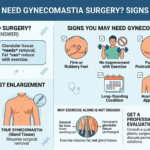
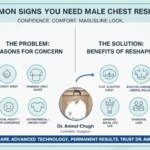
Signs that surgery may be needed include:
- Persistent chest fullness despite weight loss
- Puffy or protruding nipples
- Firm or rubbery tissue under the nipple
- Lack of improvement with exercise
According to Dr. Anmol Chugh, proper diagnosis is essential to determine whether the condition is fat-related or glandular.
Can Exercise and Surgery Be Combined?
Exercise and surgery are not mutually exclusive—they complement each other.
Exercise helps maintain overall fitness and enhances the final results after surgery. Physically active patients often experience better recovery and long-term outcomes.
Surgery, on the other hand, provides the structural correction that exercise cannot achieve in glandular cases.
Comparing Results
The results of exercise are gradual and depend on overall fat loss. While improvement may be seen in mild cases, it is often limited when glandular tissue is involved.
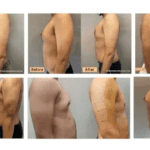
Surgery provides a more predictable and definitive outcome, especially for moderate to severe gynecomastia. The chest appears flatter, more contoured, and proportionate to the body.
Emotional Impact and Confidence
Gynecomastia can have a significant impact on confidence and self-image.
Many men avoid certain clothing, social situations, or physical activities due to embarrassment. When efforts like exercise do not produce results, this can lead to frustration and self-doubt.
Understanding the true cause of the condition can be empowering and help in choosing the right solution.
Common Mistakes Men Make
A common mistake is assuming that more exercise will eventually solve the problem.
Another is delaying consultation due to embarrassment or misinformation. Some individuals also rely on unverified supplements or treatments that do not address the underlying issue.
👉 These approaches often lead to wasted time and continued dissatisfaction.
Conclusion
The choice between exercise and surgery for gynecomastia depends entirely on the cause of the condition.
- Exercise is effective for reducing fat, but cannot eliminate glandular tissue
- Surgery remains the only definitive solution for true gynecomastia
- Results are more reliable and long-lasting with surgical treatment
Understanding this distinction is key to making an informed decision. With expert guidance from Dr. Anmol Chugh, patients can choose the most appropriate approach and achieve a confident, natural-looking outcome.
Book a Consultation
If you are unsure whether your condition can be improved with exercise or requires surgery, a personalized consultation can provide clarity.
- Identify the exact cause of your condition
- Explore suitable treatment options
- Plan the most effective approach
👉 Book your consultation with Dr. Anmol Chugh today and take the first step toward a confident transformation.
Medically Reviewed By
Dr. Anmol ChughQualifications: MBBS, MS, MCh (Plastic Surgery)
Experience: 16+ Years in Plastic & Aesthetic Surgery
Review Date: 13 Apr 2026
This article has been medically reviewed for accuracy and patient safety.