Can Fat Come Back After Liposuction? The Truth About Long-Term Results
Liposuction is one of the most popular cosmetic procedures performed worldwide. It can effectively remove stubborn fat deposits that do not respond to diet and exercise, helping patients achieve a slimmer and more proportionate body contour.
However, one question almost every patient asks during consultation is:
“Can fat come back after liposuction?“
The short answer is:
The fat cells removed during liposuction are permanently removed. However, future weight gain can still affect your results.
Understanding how liposuction works and what happens to your body afterward is essential for maintaining long-term results and setting realistic expectations.
Table of Contents
- What Happens During Liposuction?
- Do Fat Cells Grow Back After Liposuction?
- What Happens If You Gain Weight After Liposuction?
- Dr. Anmol Chugh’s Clinical Perspective
- Why Some Patients Think Their Fat Has Returned
- Common Mistakes Patients Make
- Safety Checklist Before Liposuction
- Who Is Not an Ideal Candidate for Liposuction?
- What I Tell My Patients During Consultation
- Liposuction in Gurgaon and Delhi NCR
- Frequently Asked Questions
What Happens During Liposuction?
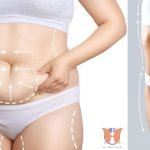
Liposuction is a body contouring procedure designed to remove localized fat deposits from specific areas of the body.
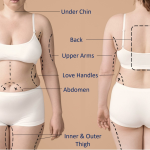
Common treatment areas include:
- Abdomen
- Waist and flanks
- Thighs
- Hips
- Back
- Arms
- Chin and neck
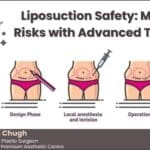
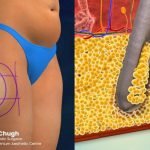
During the procedure, a thin cannula is inserted through small incisions to remove excess fat cells from targeted areas.
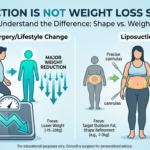
Unlike weight-loss treatments, liposuction is intended to reshape body contours rather than significantly reduce body weight.
Do Fat Cells Grow Back After Liposuction?
One of the biggest misconceptions about liposuction is that fat somehow “returns” to the treated area.
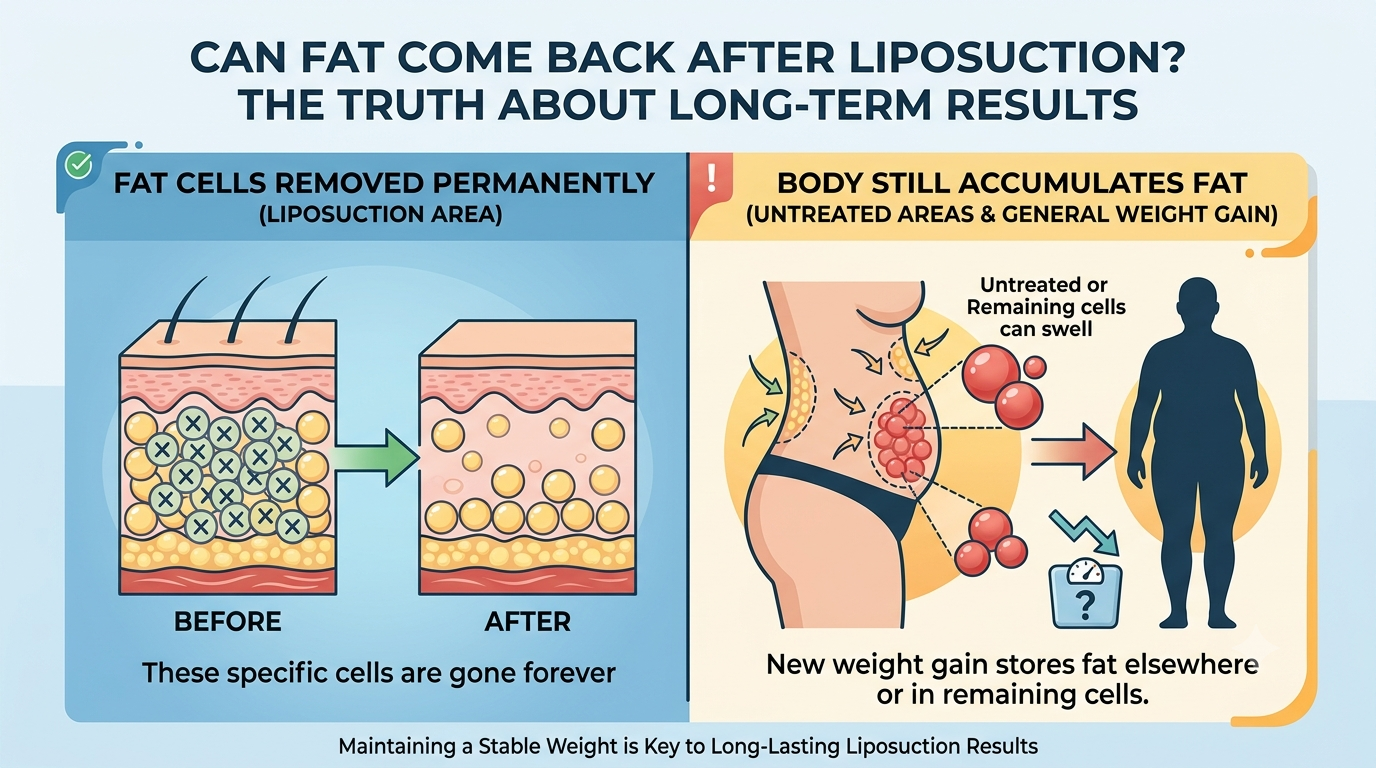
In reality, the fat cells removed during liposuction are permanently eliminated.
The human body develops most of its fat cells during childhood and adolescence. Once removed through liposuction, these specific fat cells do not regenerate in significant numbers.
This means the treated area will always contain fewer fat cells than before surgery.
However, this does not mean future weight gain becomes impossible.
What Happens If You Gain Weight After Liposuction?
Although removed fat cells do not return, the remaining fat cells throughout your body can still enlarge.
If significant weight gain occurs after liposuction:
- Remaining fat cells can increase in size.
- Untreated areas may accumulate more fat.
- Body proportions may change.
- Liposuction results may become less noticeable.
For example, if liposuction is performed on the abdomen but substantial weight gain occurs later, fat may accumulate in other regions such as the back, arms, thighs, or remaining abdominal fat cells.
This is why maintaining a stable weight is critical for preserving results.
Dr. Anmol Chugh’s Clinical Perspective
One of the most common concerns patients express during consultation is the fear that all the fat will eventually return.
In clinical practice, patients who maintain a stable weight often enjoy their liposuction results for many years.
Liposuction permanently improves body contour by reducing the number of fat cells in targeted areas. However, surgery does not change the body’s natural response to excess calorie intake.
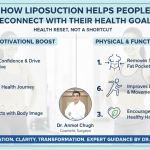
I often explain to patients that liposuction is like resetting the shape of a particular area. Maintaining that improved contour depends largely on long-term lifestyle habits.
The procedure creates an opportunity for better body proportions, but patients play an important role in preserving those results.
Why Some Patients Think Their Fat Has Returned
There are several reasons why patients may believe liposuction has “failed” or that fat has come back.
Early Post-Surgical Swelling
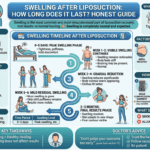
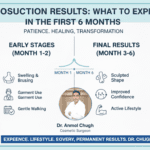
Swelling is a normal part of recovery and can persist for several weeks or months.
Patients sometimes mistake swelling for residual fat, even though the final contour has not yet fully developed.
Weight Gain After Surgery
The most common reason for changes in contour after liposuction is weight gain rather than fat cell regeneration.
Natural Aging
As we age, body composition changes naturally. Muscle mass may decrease, metabolism may slow, and fat distribution may change.
These age-related changes can influence body shape over time.
Hormonal Factors
Hormonal fluctuations can contribute to changes in fat distribution, particularly in women.
Common Mistakes Patients Make
Several mistakes can compromise long-term liposuction results:
- Assuming liposuction is a substitute for healthy habits.
- Returning to unhealthy eating patterns after surgery.
- Avoiding exercise after recovery.
- Expecting permanent results regardless of weight changes.
- Focusing only on short-term results.
- Comparing their outcomes with heavily edited social media images.
The best outcomes occur when liposuction is viewed as part of a long-term body maintenance strategy.
Before-and-After Expectations: What Patients Should Know
Patients often ask whether their results will last forever.
A better question is:
“How long can I maintain my results?”
The answer largely depends on weight stability.
For example:
Patient A
- Maintains stable weight.
- Exercises regularly.
- Follows a balanced diet.
Result: Body contour often remains very similar for many years.
Patient B
- Gains significant weight after surgery.
- Adopts a sedentary lifestyle.
Result: Remaining fat cells enlarge and body shape changes over time.
This highlights why lifestyle plays such a major role in long-term success.
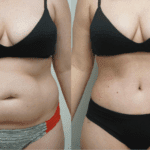
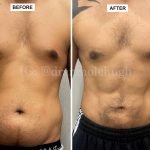
Real Patient Result After Tummy Tuck with 360 Liposuction
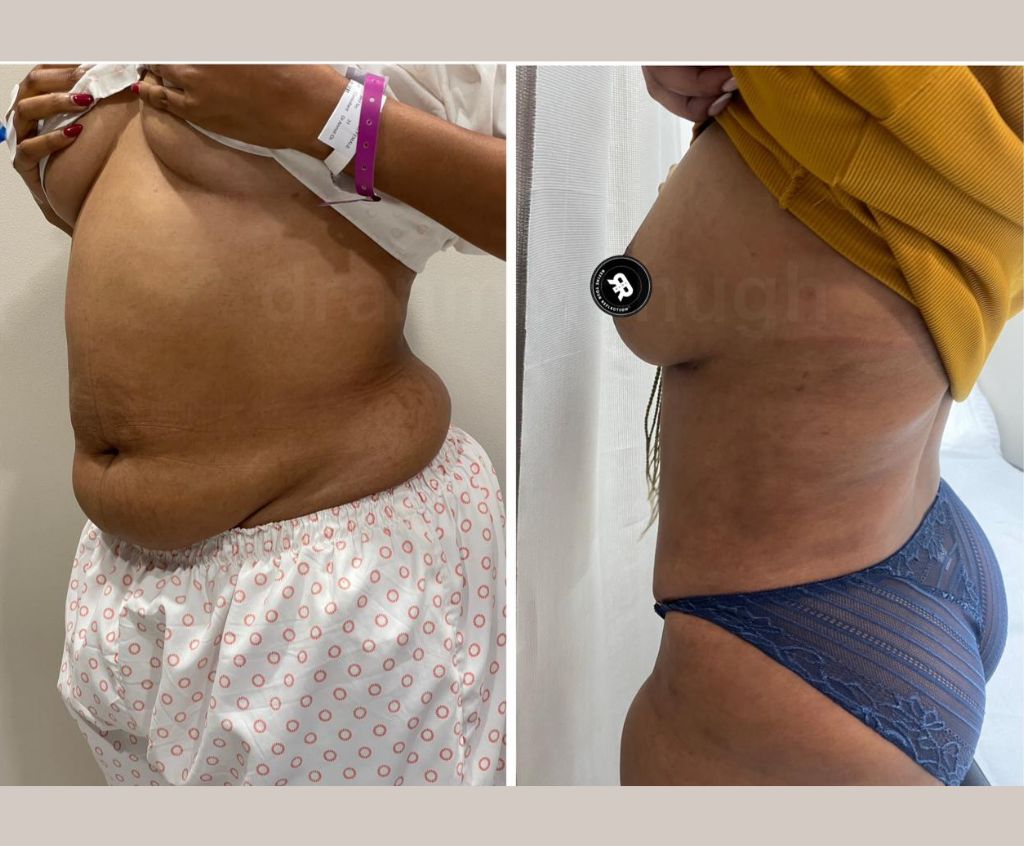
See More Real Liposuction Patient Results in Our Before & After Gallery.
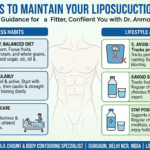
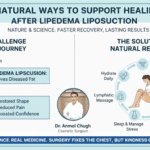
How to Maintain Liposuction Results Long-Term
Maintain a Stable Weight
Even modest weight fluctuations can affect body contour.
Follow a Balanced Diet
A diet rich in lean protein, vegetables, fruits, and whole grains helps support long-term weight management.
Exercise Regularly
Both cardiovascular exercise and strength training contribute to maintaining results.
Build Muscle Mass
Muscle development improves body shape and supports a healthier metabolism.
Prioritize Sleep and Stress Management
Poor sleep and chronic stress can contribute to weight gain and metabolic changes.
Attend Follow-Up Visits
Regular follow-up appointments help monitor healing and long-term outcomes.
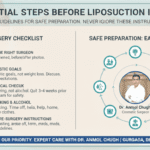
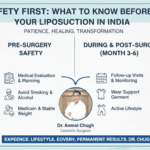
Safety Checklist Before Liposuction
✓ Be close to your ideal body weight
✓ Maintain a stable weight for several months before surgery
✓ Understand that liposuction is not a weight-loss procedure
✓ Be in good overall health
✓ Stop smoking at least 4 weeks before and after surgery
✓ Have realistic expectations
✓ Commit to maintaining your results through a healthy lifestyle
Who Is Not an Ideal Candidate for Liposuction?
Liposuction may not be appropriate for:
- Individuals seeking major weight loss.
- Patients with uncontrolled medical conditions.
- Those expecting surgery alone to solve weight management issues.
- Patients with unrealistic expectations.
- Individuals unwilling to adopt healthy lifestyle habits.
A thorough consultation helps determine whether liposuction is the right option.
What I Tell My Patients During Consultation
One of the most important messages I share with patients is:
Liposuction removes fat cells permanently, but it does not provide immunity against future weight gain.
Patients who maintain healthy habits typically enjoy long-lasting results.
Those who view liposuction as a tool rather than a shortcut are usually the most satisfied with their outcomes.
The goal is not simply removing fat.
The goal is creating a body contour that can be maintained for years to come.
Liposuction in Gurgaon and Delhi NCR
Many patients seeking liposuction in Gurgaon and Delhi NCR want to know whether the results will last permanently.
The answer depends not only on the surgery but also on maintaining a stable weight after the procedure.
A detailed consultation helps determine whether liposuction is the right treatment, identify realistic expectations, and develop a long-term plan for maintaining body contour.
Frequently Asked Questions
Can fat come back after liposuction?
The fat cells removed during liposuction are permanently removed. However, remaining fat cells can enlarge if significant weight gain occurs.
Is liposuction a weight-loss surgery?
No. Liposuction is designed for body contouring rather than significant weight reduction.
How can I maintain my liposuction results?
Maintaining a stable weight, exercising regularly, and following a balanced diet help preserve long-term results.
Will the treated area always stay slimmer?
Yes. Because fewer fat cells remain in the treated area, it generally stays slimmer than before surgery, provided weight remains stable.
How soon will I see my final results?
Swelling gradually improves over several weeks, while final body contour usually becomes visible over several months.
Can I gain weight after liposuction?
Yes. Weight gain is still possible after liposuction because the remaining fat cells can enlarge.
Can liposuction prevent future fat accumulation?
No. Liposuction removes existing fat cells but does not prevent future weight gain.
Who is the best candidate for liposuction?
Patients who are close to their ideal body weight, have localized fat deposits, and maintain a healthy lifestyle are generally the best candidates.
Will I need another liposuction procedure?
Many patients enjoy long-lasting results, although some choose additional contouring procedures if body changes occur over time.
Does aging affect liposuction results?
Natural aging, hormonal changes, and weight fluctuations can influence body contour over time.
Conclusion
So, can fat come back after liposuction?
The answer is both yes and no.
The fat cells removed during liposuction are permanently removed and do not grow back.
However, remaining fat cells can still enlarge if significant weight gain occurs.
This means that long-term success depends on maintaining a stable weight, following healthy lifestyle habits, and understanding what liposuction can realistically achieve.
When performed on the right candidate and combined with proper lifestyle maintenance, liposuction can provide long-lasting and highly satisfying body contouring results.
References
- Rohrich RJ, Beran SJ, Fodor PB.
The Role of Liposuction in Modern Plastic Surgery.
Plastic and Reconstructive Surgery.
1998;101(3):840–849. - Klein JA.
Tumescent Technique for Regional Anesthesia Permits Lidocaine Doses of 35 mg/kg for Liposuction.
Journal of Dermatologic Surgery and Oncology.
1990;16(3):248–263. - Hernandez TL, Kittelson JM, Law CK, et al.
Fat Redistribution Following Suction Lipectomy: Defense of Body Fat and Patterns of Fat Regain.
Obesity (Silver Spring).
2011;19(7):1388–1395. - American Society of Plastic Surgeons (ASPS).
Liposuction Patient Guide. - International Society of Aesthetic Plastic Surgery (ISAPS).
Global Statistics and Liposuction Resources. - Matarasso A.
Liposuction as an Adjunct to a Healthy Lifestyle.
Clinics in Plastic Surgery.
2006;33(1):1–13. - Illouz YG.
Body Contouring by Lipolysis: A Five-Year Experience with Over 3000 Cases.
Plastic and Reconstructive Surgery.
1983;72(5):591–597.
Related Procedures
- Liposuction Surgery
- 360 Liposuction
- Tummy Tuck Surgery
- Body Contouring Surgery
- Mommy Makeover Surgery
Medically Reviewed By
Dr. Anmol ChughQualifications: MBBS, MS, MCh (Plastic Surgery)
Experience: 16+ Years in Plastic & Aesthetic Surgery
Review Date: 23 Jun 2026
This article has been medically reviewed for accuracy and patient safety.